
IN Brief:
- OX2 has taken an investment decision on a 50MW/209MWh battery beside the Fageråsen wind farm in Sweden.
- The BESS will support a planned 189MW wind project in Malung-Sälen, Dalarna.
- Construction is due to begin this summer, with commissioning expected at the end of 2027.
OX2 has taken an investment decision to build a 50MW/209MWh battery energy storage system beside the Fageråsen wind farm in Malung-Sälen, Sweden.
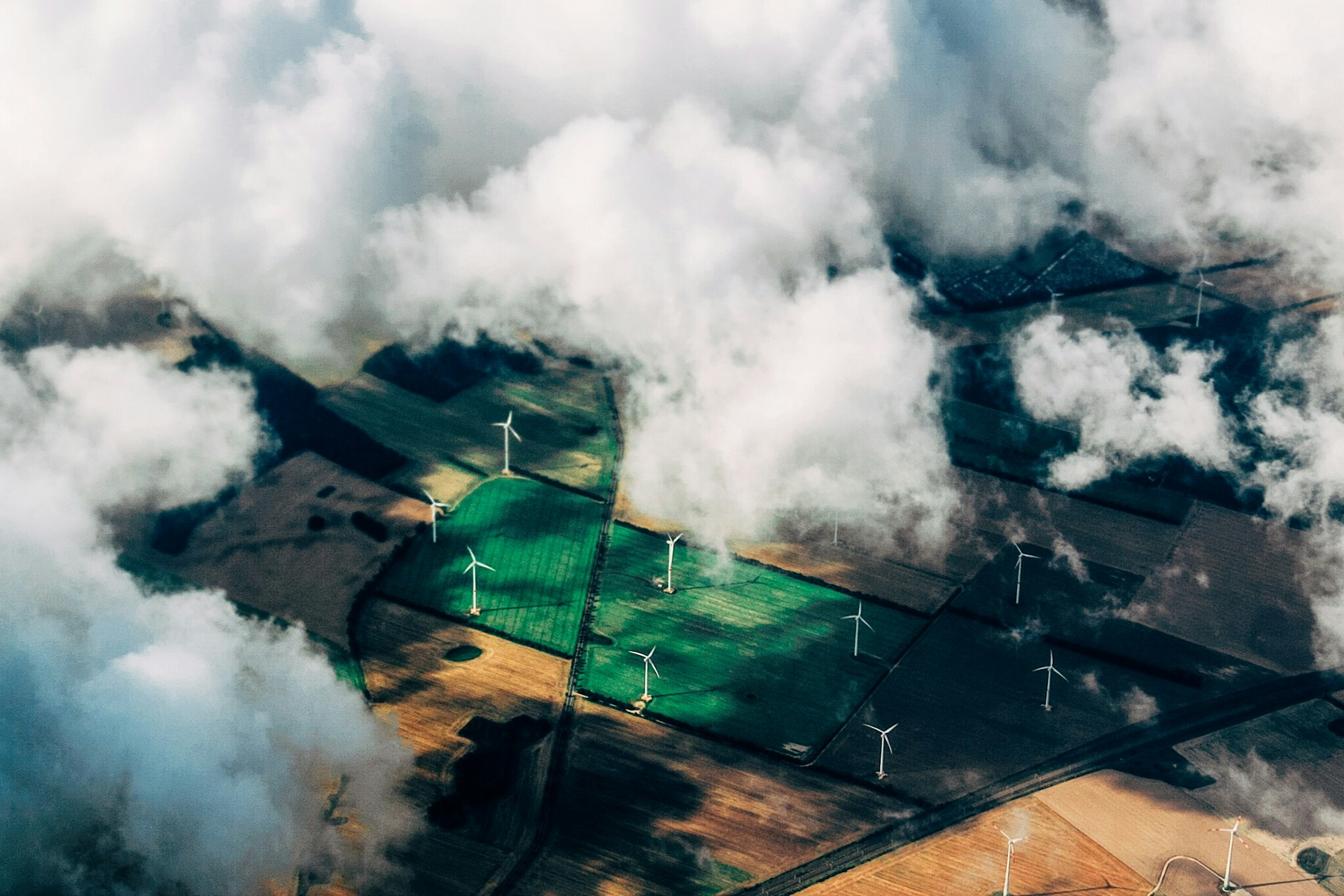
The storage project will be located in Dalarna, adjacent to OX2’s planned 189MW wind farm. The wind project is expected to generate around 550GWh of electricity annually from 27 Nordex turbines and will become the first wind farm owned by OX2 in Sweden when complete.
Financing for the battery has been secured through DNB and UniCredit, using an extension of the commitments already made for the wind project. Trina Solar has been selected to supply the battery energy storage system.
Construction of the battery facility is scheduled to begin this summer, with commissioning expected at the end of 2027. OX2 will own the storage asset as part of its wider renewable energy portfolio.
The Fageråsen project gives OX2 a hybrid generation and flexibility asset in its home market, pairing variable wind output with a four-hour battery system. At 209MWh for 50MW of power capacity, the storage duration places the asset beyond short-response-only use and closer to intraday shifting, although final operation will depend on market access, network conditions, and revenue optimisation.
Hybrid renewable design is becoming more common across Europe as developers respond to grid constraints, price volatility, and the growing value of controllable output. Wind farms can produce heavily during periods of low demand or constrained network capacity, while batteries allow part of that output to be shifted or used to support system services.
European storage deployment is already scaling across several markets, with projects adding more than 11GWh of BESS capacity in a recent wave of activity detailed at electricalnews.co.uk. The Swedish project sits within that wider movement from standalone generation assets toward integrated renewable and flexibility portfolios.
The technical value of co-location depends on more than proximity. Grid connection design, control architecture, metering, asset scheduling, market participation, battery degradation management, and dispatch rights determine how wind and storage operate together. Poorly coordinated assets can share a site without acting as a coherent hybrid system; integrated design allows the connection, export profile, and flexibility capability to be managed more efficiently.
Sweden’s energy system already benefits from large hydro resources, but industrial electrification, regional grid constraints, and rising renewable capacity are increasing the need for additional flexibility. Batteries cannot substitute for all reinforcement, particularly where long-distance transmission constraints dominate, but they can improve local operational control and reduce exposure to short-duration imbalance.
For renewable developers, the project also illustrates how storage is becoming part of financing strategy. A battery can create additional revenue streams, manage risk around captured power prices, and improve the commercial profile of a wind asset whose output would otherwise be exposed more directly to weather-driven market conditions.
The Fageråsen battery will become a useful test of co-located wind and storage ownership in Sweden. Its performance will depend on how effectively the combined asset is dispatched, how battery cycling is managed over time, and how market rules reward the flexibility available from a renewable project that can do more than export when the wind happens to be blowing.

