
IN Brief:
- A new 400kV Spain–Portugal electricity interconnector has increased cross-border exchange capacity by around 1,000MW.
- The 166km double-circuit AC route links Beariz, Fontefría, Ponte de Lima, and Vila Nova de Famalicão.
- The project supports renewable integration, Iberian electricity trading, and the EU’s 2030 interconnection target.
REN and Red Eléctrica have inaugurated a new 400kV electricity interconnector between Portugal and Spain, adding around 1,000MW of exchange capacity to the Iberian power system.
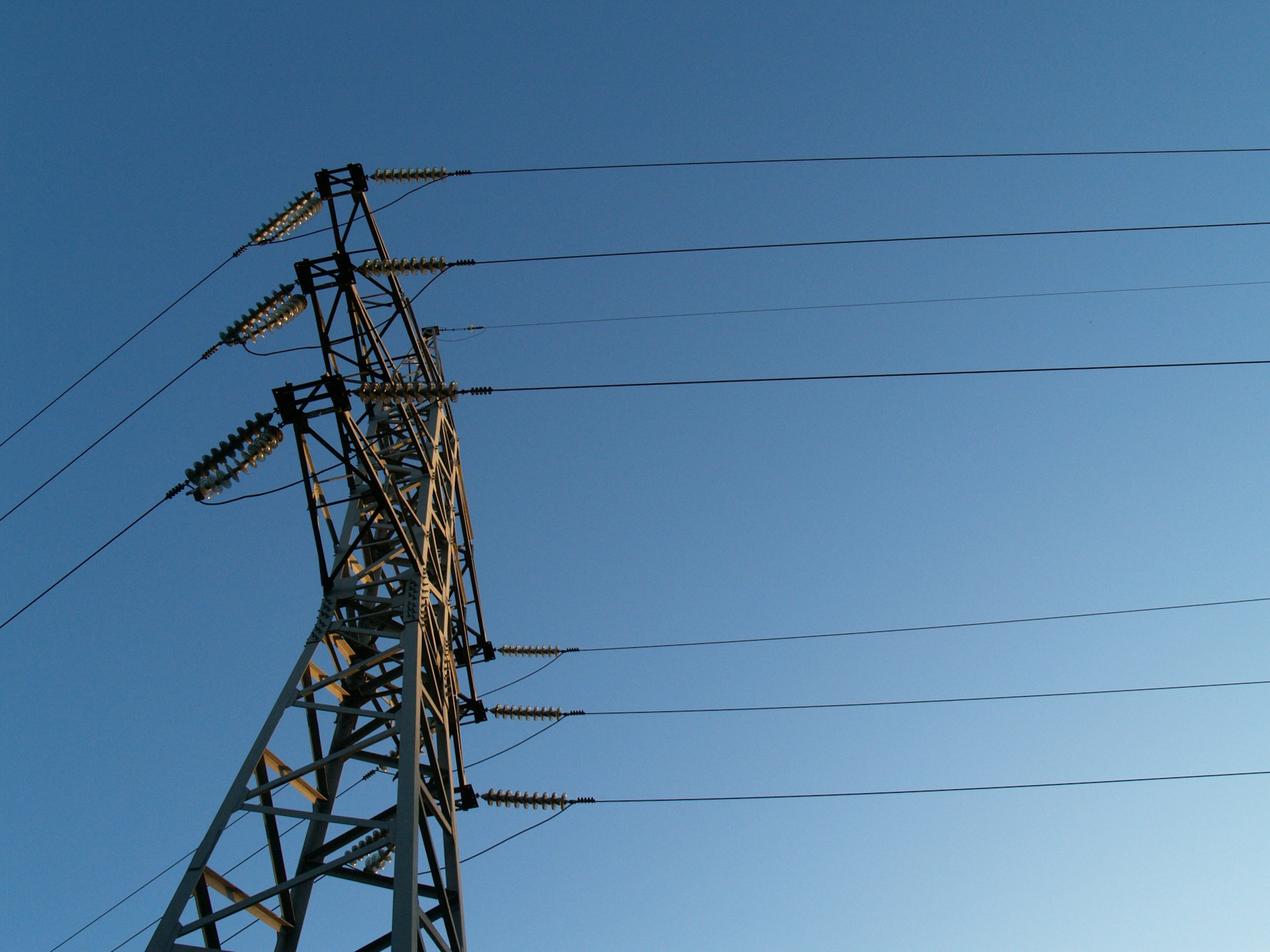
The double-circuit AC line runs for 166km, linking Beariz and Fontefría in north-west Spain with Ponte de Lima and Vila Nova de Famalicão in northern Portugal. Its route comprises 53km of infrastructure in Spain and 113km in Portugal, forming the tenth very-high-voltage electricity interconnector between the two countries.
With the new circuit in operation, electricity exchange capacity rises to 4,200MW from Spain to Portugal and 3,500MW from Portugal to Spain. The project has been classified as a European project of common interest, reflecting its role in regional security of supply, market integration, and the EU’s target for member states to reach 15% electricity interconnection by 2030.
The reinforcement is expected to allow the integration of an additional 281GWh of renewable electricity each year, while avoiding about 113,000 tonnes of CO2 emissions annually. On the Portuguese side, the investment exceeded €70m, including €44m for the overhead line and €26m for the Ponte de Lima substation. Red Eléctrica invested €57.6m in the Spanish line and substations, with wider Spanish-side support infrastructure taking the total above €70m.
The border crossing was selected between Viana do Castelo and Pontevedra using environmental, social, technical, and legislative criteria. The Minho River crossing was designed around a narrower section of the river, reducing the environmental footprint of the works on the watercourse and its surrounding landscape.
Greater interconnection gives the Iberian system more operational headroom as renewable generation expands. Wind, solar, and hydro output can vary sharply across regions and seasons, while stronger cross-border capacity allows surplus generation to reach demand centres beyond the national system where it was produced.
Portugal is also preparing a capacity mechanism with a storage auction, with details published at electricalnews.co.uk. Interconnection, storage, demand response, and dispatchable capacity now form a connected reliability toolkit rather than a set of separate policy workstreams.
For Iberia, the new line strengthens trading capacity and system resilience while giving operators more room to manage renewable variability. Cross-border transmission cannot remove all constraints inside either national grid, but it can reduce the frequency with which renewable output is trapped behind a boundary and curtailed despite demand elsewhere.
The engineering value of the project will appear through system operation rather than nameplate capacity alone. Constraint management, reserve sharing, outage resilience, power flows, and renewable dispatch will determine how often the additional capacity improves day-to-day operation. In a grid increasingly shaped by variable generation and electrified demand, the ability to move power across borders is becoming as valuable as the ability to generate it.

