IN Brief:
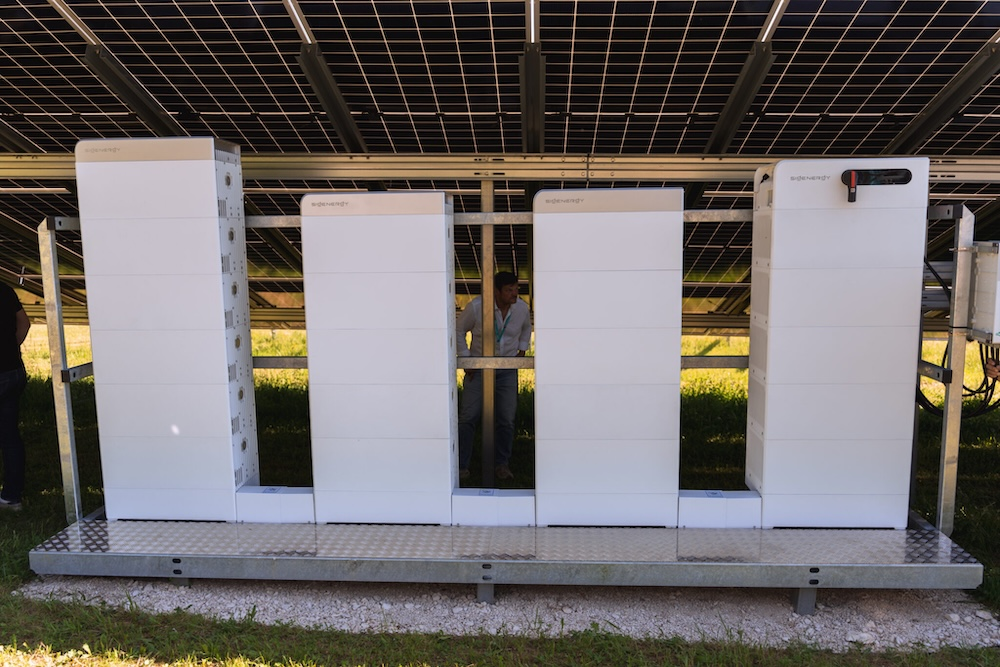
- Transgrid has shortlisted nine battery projects for an initial NSW system strength procurement round.
- The projects are part of talks covering up to 2GW of grid-forming battery services from the second half of 2026.
- The shortlist sits within a wider plan that targets 5GW of stabilising services from third-party batteries by 2033.
Transgrid has shortlisted nine battery projects for an initial tranche of system strength procurement in New South Wales, following technical modelling to identify the required capacity and the priority locations on its transmission network.
The company said talks are under way to secure an expanded scope of services from up to 2GW of grid-forming batteries, with the first assets expected to begin coming online in the second half of 2026. The current round is focused on batteries that already exist, or are at an advanced stage of development, in locations where system strength gaps are expected to appear as the transition gathers pace.
As the System Strength Service Provider for NSW, Transgrid is responsible for ensuring enough system strength services are available to maintain stable operation of the power system. The company said third-party batteries are a core part of that approach because they can strengthen the grid without the cost of acquiring new plant or pursuing major network upgrades. It is targeting strong competition on price and contract terms across the shortlisted fleet before final selections are made.
The latest shortlist sits within a wider system strength strategy that extends well beyond this first procurement round. Transgrid said it is ultimately targeting 5GW of stabilising services from third-party batteries by 2033, working alongside synchronous condensers as the backbone of a changing portfolio of grid support assets.
That direction was set out in Transgrid’s July 2025 system strength plan, which identified a preferred portfolio including 10 synchronous condensers on the backbone network, 5GW of grid-forming batteries, and modifications to 650MW of synchronous generators for condenser-mode operation. Further detail on that wider plan is available here.