IN Brief:
- Jacobs will develop environmental baseline data for the Oldbury site in South Gloucestershire.
- AtkinsRéalis and AECOM will support the work as subconsultants.
- The assessments will inform future planning, permitting, and design decisions for potential nuclear development.
Jacobs has been selected to develop environmental baseline data for the Oldbury site in South Gloucestershire, supporting the potential development of new nuclear generation in the UK.
The work has been commissioned by Great British Energy – Nuclear and will be delivered with AtkinsRéalis and AECOM as subconsultants. The scope includes terrestrial and marine environmental data, environmental assessments, Habitats Regulations Assessment activity, and associated work needed to inform future planning, design, and permitting decisions.
Oldbury is one of the sites being positioned for possible new nuclear capacity. Environmental baseline work comes early in the development process, but it provides the technical foundation for planning applications, design choices, regulatory submissions, and site-specific engineering decisions.
The assessment package will examine the environmental context around the site, including land and marine interfaces that may influence future development. Nuclear projects require long development timelines, and early technical evidence can affect site layout, cooling arrangements, construction access, ecological mitigation, flood risk management, grid connection planning, and regulatory engagement.
The Oldbury site has long been associated with nuclear generation. The current work does not represent a final investment decision or construction commitment, but it moves the site into a more detailed evidence-gathering phase. That evidence will be needed if the UK is to progress new civil nuclear capacity alongside renewables, storage, interconnection, and network reinforcement.
Nuclear development is returning to the centre of UK energy planning as firm low-carbon generation remains a strategic requirement in a system with high renewable penetration. Wind and solar can provide large volumes of low-carbon electricity, while system operation still requires dependable capacity, reserve, storage, interconnection, and network flexibility. Nuclear sits within that mix as a long-duration, high-capital technology with extensive planning, regulatory, and supply-chain requirements.
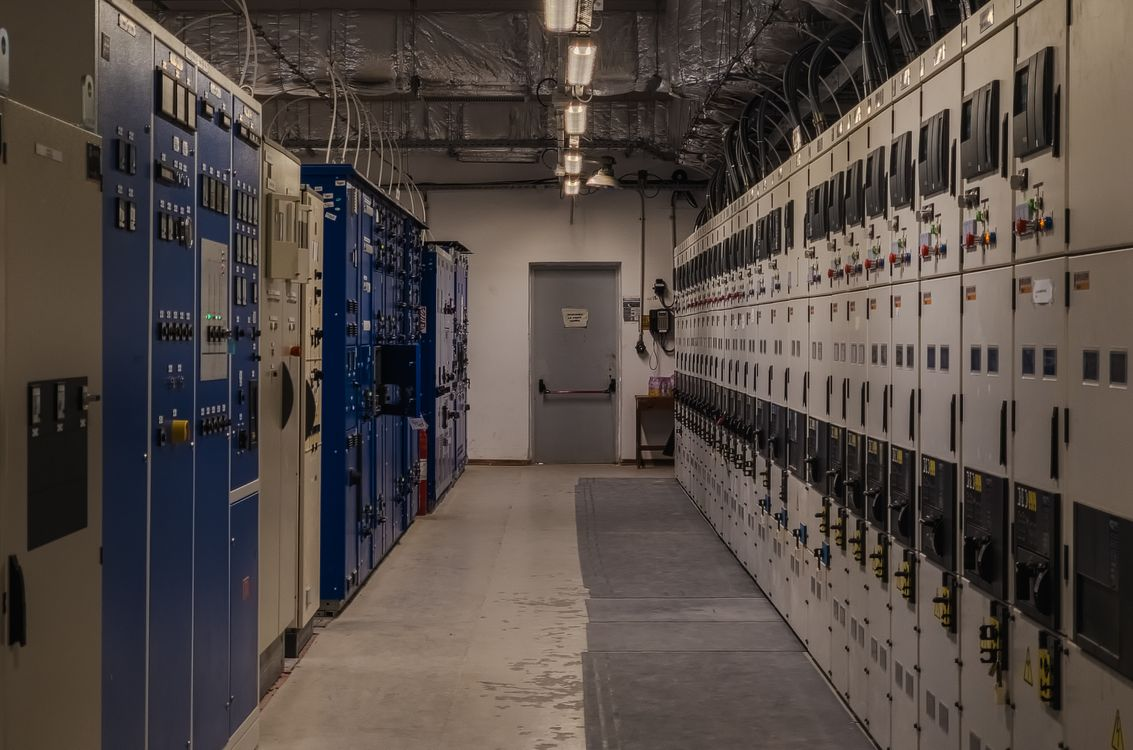
The engineering scope of a nuclear site extends far beyond the reactor island. Grid connections, transformers, switchgear, control systems, standby power, cooling infrastructure, civil works, security systems, and long-term maintenance regimes all form part of the wider project environment. Environmental assessment helps define which options are feasible and what mitigation may be required before those systems can be designed in detail.
The physical delivery constraints explored in grid reform faces physical delivery bottleneck apply to generation as well as networks. A new generating asset only contributes to system security if it can move through planning, secure equipment, connect to the transmission system, and operate within a network capable of carrying its output.
Oldbury also sits within a policy environment that is attempting to accelerate clean-power infrastructure while managing local impacts, cost scrutiny, and regulatory complexity. Nuclear projects face especially high expectations because of their safety requirements, environmental obligations, construction scale, and long operating lives. Early environmental work therefore shapes the engineering and consent options that may remain available later in the programme.
The involvement of Jacobs, AtkinsRéalis, and AECOM brings together nuclear, environmental, infrastructure, and regulatory expertise. That multidisciplinary structure reflects the nature of modern energy projects, where ecology, hydrology, marine studies, civil design, grid interface, regulatory acceptance, and constructability interact from the earliest stages.
The next milestones will depend on how Great British Energy – Nuclear positions Oldbury within the UK’s wider nuclear programme. Environmental baseline data will not determine the whole project, but it will shape the options available for design, permitting, and delivery. For a site being considered for major generation infrastructure, the quality of that early evidence will influence whether later stages can proceed with confidence.