IN Brief:
- ComAp and IBG have developed a modular BESS control architecture for projects in the Czech Republic, Slovakia, and Hungary.
- The platform is designed to handle second-life EV modules and new batteries, while integrating PCS, battery string management, and thermal systems through a single controller layer.
- Standardised controls and remote monitoring are being used to shorten delivery times, reduce engineering complexity, and improve repeatability across future storage deployments.
ComAp has detailed a battery energy storage deployment with IBG that points to a more standardised control approach for Central European BESS projects. The work spans the Czech Republic, Slovakia, and Hungary, where IBG has been delivering energy infrastructure for more than three decades and is now extending further into storage systems that need to be scalable, modular, and repeatable across different project types.
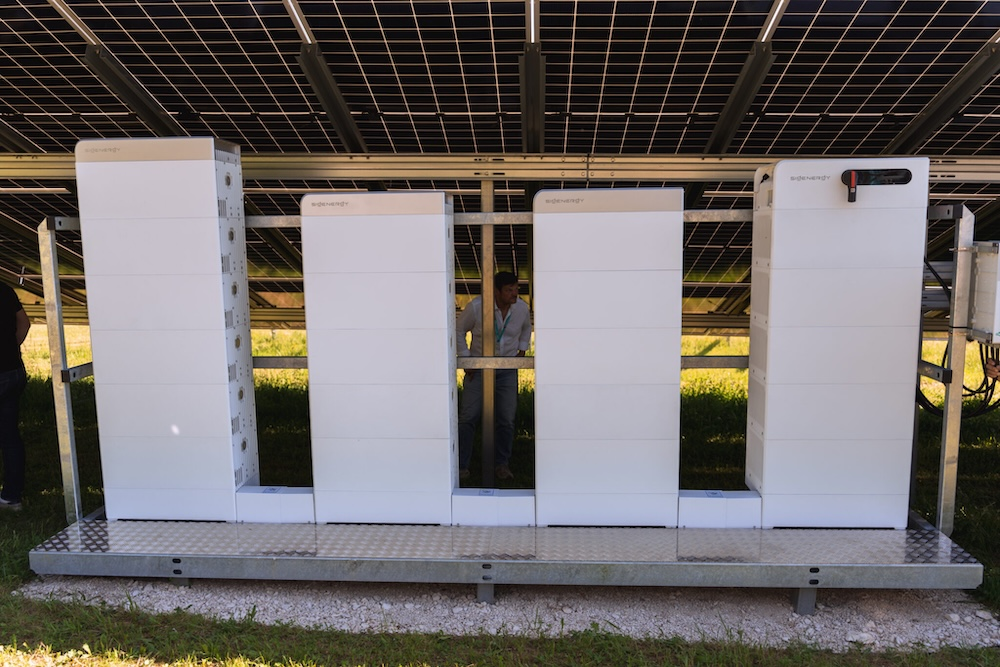
The platform was designed to accept both second-life electric vehicle battery modules and new batteries, which makes the control challenge more complex from the outset. Battery size, chemistry, age, and performance can vary sharply between systems, so the control layer has to manage those differences without forcing a redesign every time the project configuration changes. That requirement shaped IBG’s search for a controller platform that could handle diverse storage architectures while keeping the engineering model repeatable.
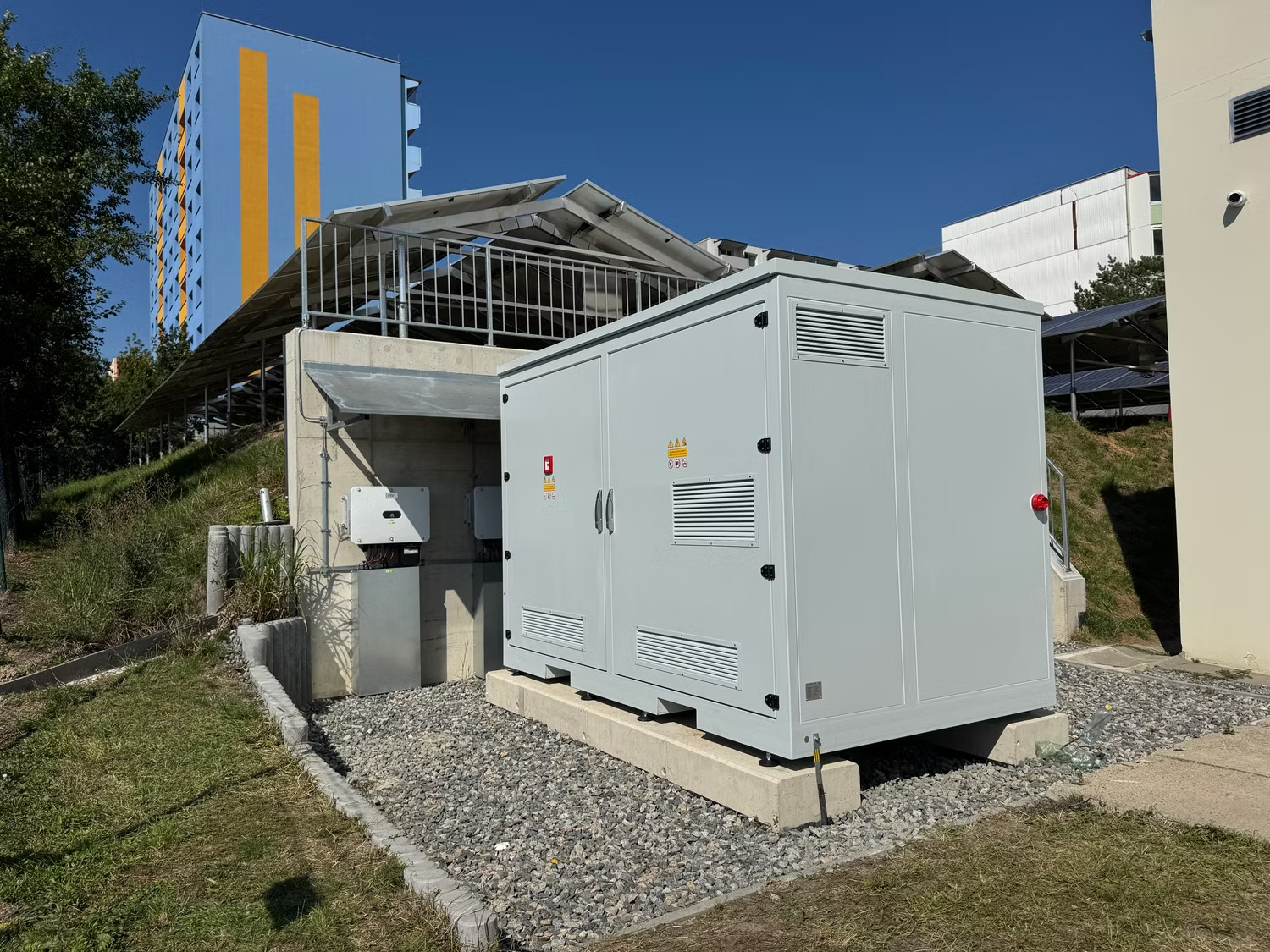
ComAp said conventional PLC-based approaches proved restrictive during early development, particularly where the system needed predefined protections, power configurations, AC synchronisation, and detailed data logging without building control logic from first principles. Its InteliNeo 530 BESS controller was used as the core of the architecture, with the first developed system rated at 210 kW and configured around multiple battery strings.
At that level, safe interconnection becomes a design issue rather than a commissioning detail. ComAp said the system uses MultiBMS functionality to coordinate DC switchgear and manage the safe connection of individual battery strings, reducing inrush current during DC bus energising and protecting battery components during start-up and operating transitions. IBG integrated Danfoss Vacon power conversion equipment into the architecture, while the controller layer was used to unify communication between the power conversion system, battery string management units, and integrated air conditioning.
The wider control stack adds CAN I/O and remote monitoring through WebSupervisor, alongside WinScope 1000 for real-time analysis and InteliConfig for configuration and parameterisation. Together, those tools push the project beyond a one-off site integration exercise and toward a platform model in which commissioning, operation, and maintenance can be repeated more consistently from one installation to the next.
That is where the industrial significance lies. Standardised control architecture does not remove the complexity of battery storage, especially where second-life modules are involved, but it can shift more of the engineering effort away from bespoke logic and toward system optimisation. For developers and integrators trying to shorten delivery cycles while keeping safety, thermal management, and operational visibility intact, that is becoming a more important distinction as storage portfolios scale.