IN Brief:
- Peak Energy and RWE Americas are planning a sodium-ion storage pilot in eastern Wisconsin on the MISO network.
- The project will test a passively cooled grid-storage design intended to lower cost and reduce dependence on lithium-based chemistries.
- The pilot will be closely watched as utilities assess alternative battery formats for balancing, peak shaving, and wider grid flexibility.
Peak Energy has signed an agreement with RWE Americas to pilot a sodium-ion battery energy storage system in eastern Wisconsin, in a project the company says would be the first sodium-ion deployment on the Midcontinent Independent System Operator network.
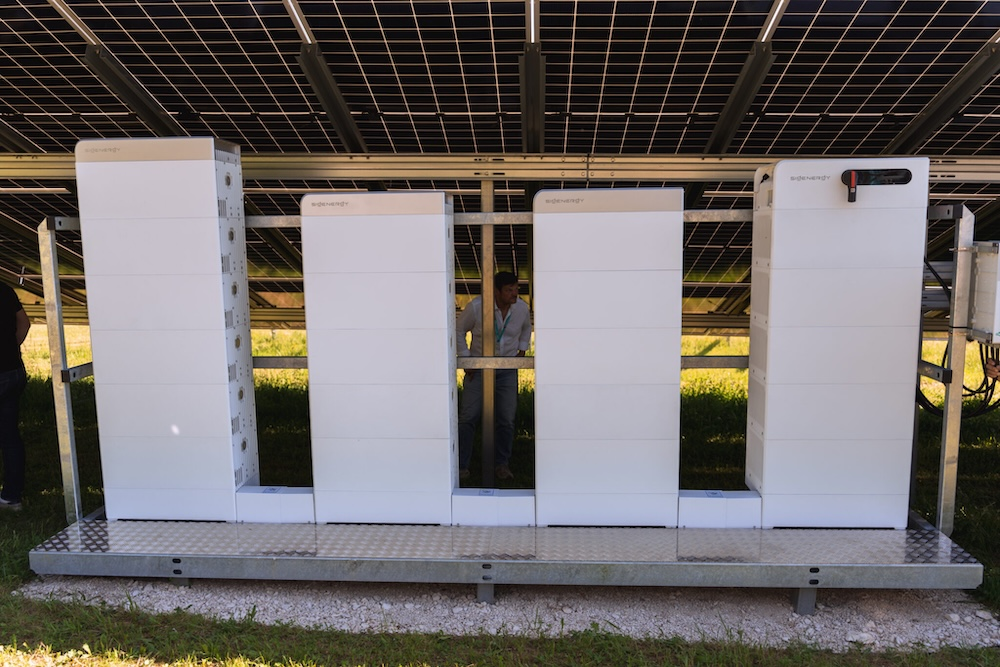
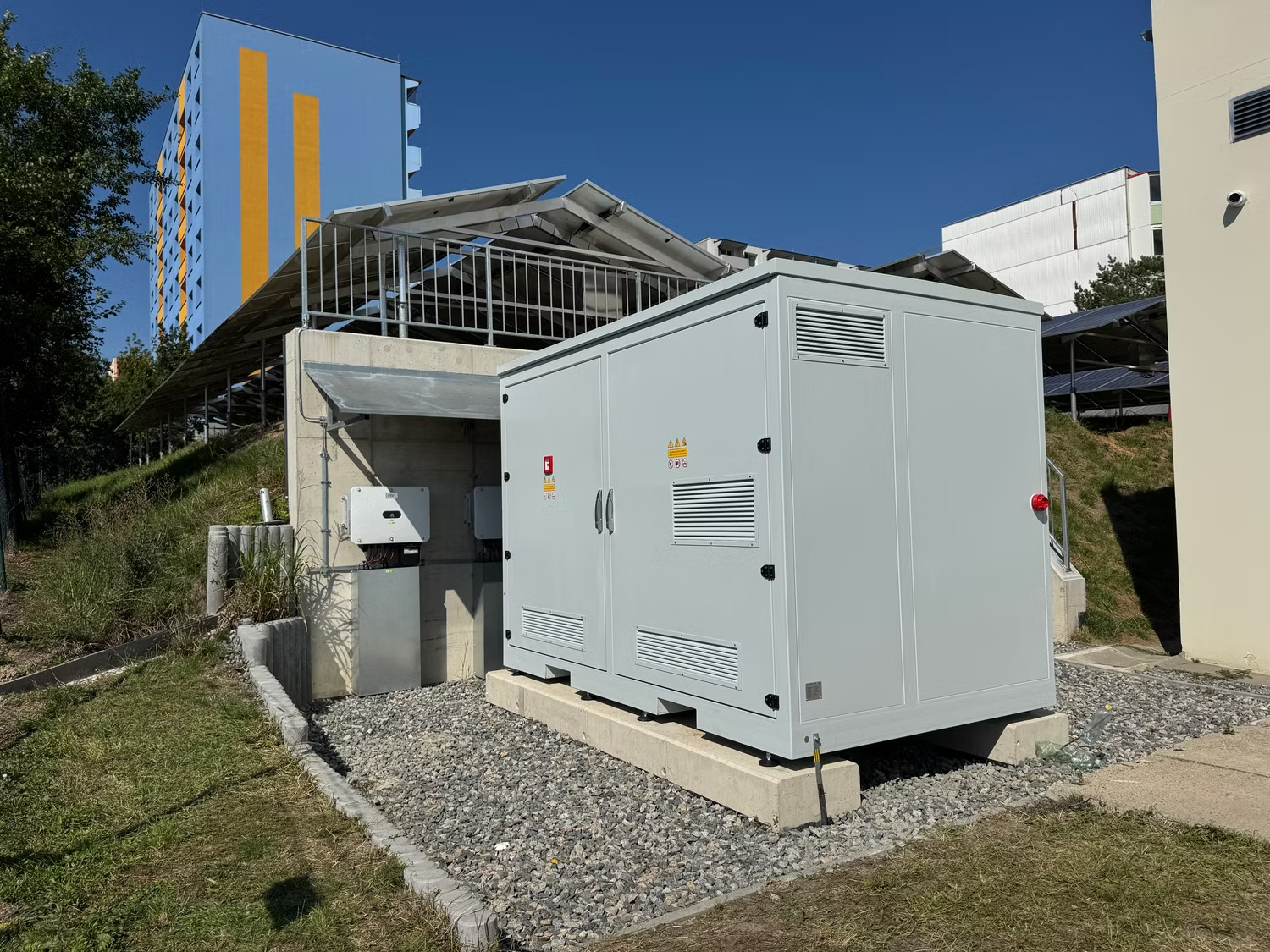
The project is aimed squarely at the cost and safety debate now running through the utility-scale storage market. Peak’s system uses a passively cooled sodium-ion architecture built for stationary grid applications, with the company positioning it as a lower-cost alternative to lithium-ion in cases where volumetric energy density is less critical than capex, operating simplicity, and thermal stability.
That framing is important. Grid storage procurement has accelerated quickly, but most large projects still default to lithium-ion chemistry. Sodium-ion has long been discussed as a candidate for stationary applications because it can ease exposure to lithium supply chains and, in some designs, simplify thermal management. The Wisconsin pilot now gives that argument a live utility-scale test on a major US grid.
Peak, founded in 2023, has been building its pitch around domestic manufacturing and grid-specific system design rather than adapting batteries originally optimised for electric vehicles. The company says it is targeting double-digit gigawatt cell production by 2030, and its product literature emphasises a system architecture that avoids auxiliary cooling loads and reduces maintenance complexity.
For RWE Americas, the agreement offers an early position in a technology class that could widen storage procurement options if performance and cost claims hold up in the field. For the market more broadly, the significance is simple: utilities are no longer only comparing battery projects by duration and price, but also by chemistry, operating behaviour, and supply-chain exposure.