IN Brief:
- A new E.ON UK survey found 75% of people are more likely to buy a newly built home with solar panels, while 68% support a mandate for solar on all new houses.
- Solar ranked ahead of heat pumps, EV charging, and battery storage as the low-carbon technology buyers most want included.
- The findings arrive just before the Future Homes Standard, with government confirming that solar is expected on the majority of new homes.
Consumer support for rooftop solar on new-build housing is running well ahead of awareness of the regulation that is set to shape it.
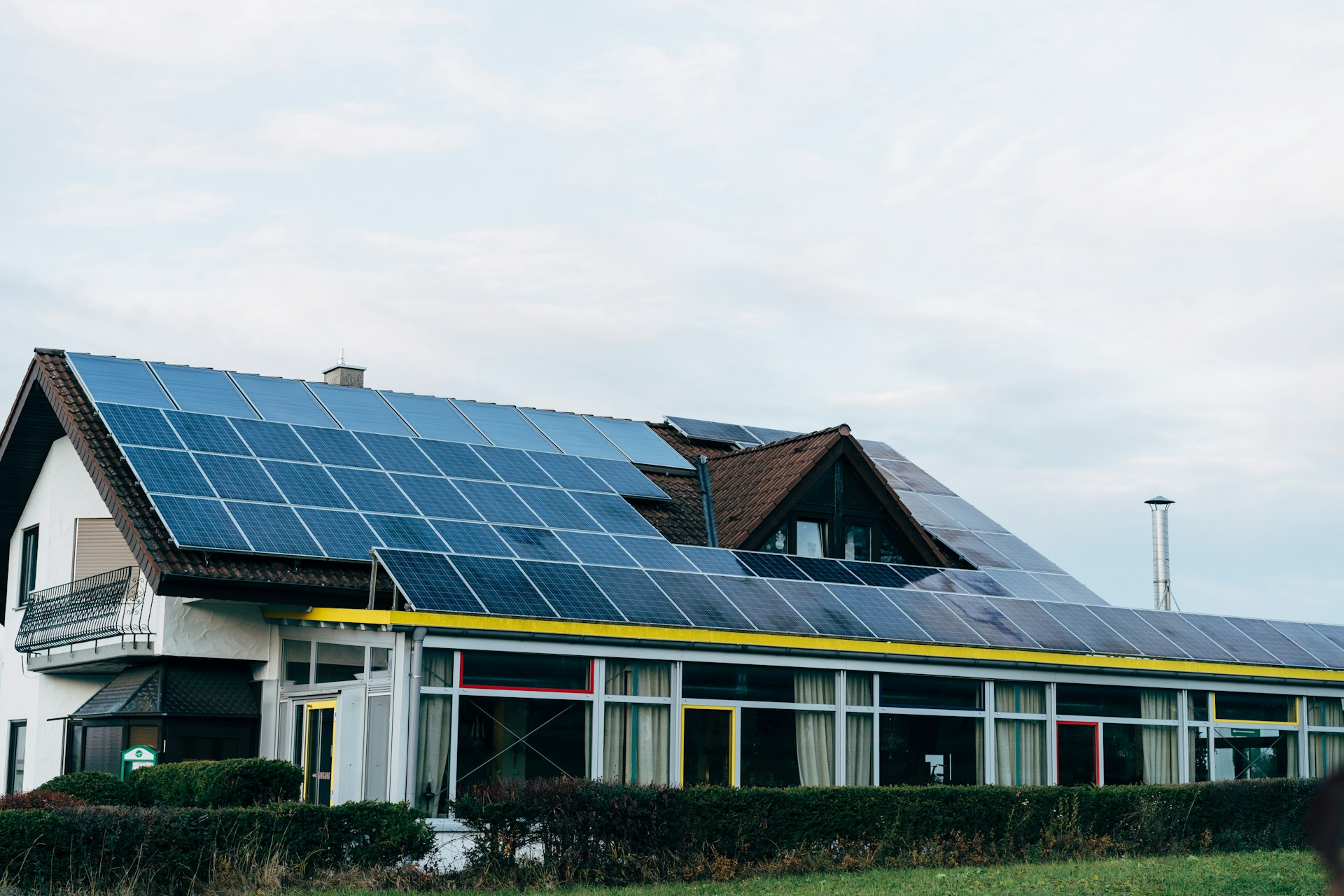
Research commissioned by E.ON UK found that 75% of people are more likely to buy a newly built house fitted with solar panels than one without, while 68% support a government requirement for solar panels on all new houses. In the same survey, solar came top as the low-carbon technology people most want included in a new home, chosen by 72% of respondents. Heat pumps and EV charging followed on 41%, with battery storage on 38%.
The survey points to a housing market in which onsite generation is increasingly seen as part of the core specification rather than an optional upgrade. Two thirds of respondents said they would consider paying a small premium for a home if it delivered lower long-term energy bills, and four in five said homes that allow them to generate and manage their own energy are appealing. Fixed and predictable electricity costs also ranked highly in buyer priorities.
The timing matters because the Future Homes Standard is now close. In a written parliamentary answer published on 3 March, the government confirmed that the standard will include solar panels and that they are expected to be installed on the majority of new homes. That places rooftop PV firmly inside the next phase of mainstream housing regulation, not just within developer-led sustainability offers or discretionary specification upgrades.
There is, however, a visibility gap. E.ON’s research found that only 13% of people had heard of the Future Homes Standard, even though 87% said government policy should ensure that new homes are designed to cut energy bills. In practical terms, that suggests public expectations on household energy performance are moving faster than public recognition of the policy framework itself.
For the power sector, the significance lies in scale and aggregation. A wider rollout of solar across new housing would increase distributed generation at the edge of the network, reshape household demand profiles, and strengthen the case for pairing PV with electrified heating, batteries, and smarter control systems. Rooftop solar on new-builds is moving from niche feature to baseline design assumption.