IN Brief:
- EDP Spain says the main constraint on renewable growth is now grid infrastructure and demand electrification rather than generation capacity alone.
- The company points to an investment imbalance, with €0.40 going into grids for every euro spent on generation, while much of Europe’s network base is more than 40 years old.
- Hybrid projects and battery storage are emerging as the next stage of system integration, but regulatory treatment of flexibility assets remains a live issue.
EDP Spain has used FES Iberia 2026 to sharpen a message now being heard across Europe’s power sector: adding renewable generation is no longer enough if grid build-out, flexible demand, and storage rules do not keep pace.
Rocío Sicre, chief executive of EDP Spain, argued that Spain remains well placed to attract renewable investment, but that the system is at risk of slowing if infrastructure and regulation do not adjust. Her central figure was stark: for every euro invested in generation, only €0.40 is going into electricity grids. She coupled that with another structural pressure point, noting that 40% of Europe’s electricity grid infrastructure is now more than 40 years old.
The immediate problem is capacity on the ground. Grid-node saturation and competitive allocation processes are starting to constrain both new renewable projects and new electricity demand, particularly where electrification is supposed to absorb clean power as it comes onto the system. In that context, the argument is no longer simply about how many renewable megawatts can be built, but about where they connect, when they operate, and whether the wider system has enough flexibility to use them effectively.
That is where EDP’s own project strategy comes in. The company says it has been developing a hybridisation model since 2016, beginning with a hydropower-solar pilot and then extending to floating solar integrated with hydro at Alqueva in Portugal in 2022. In 2023 it expanded hybrid schemes combining hydro, solar, and wind in Poland and Iberia, and it now says it holds more than 1 GW of solar projects in its regional pipeline.
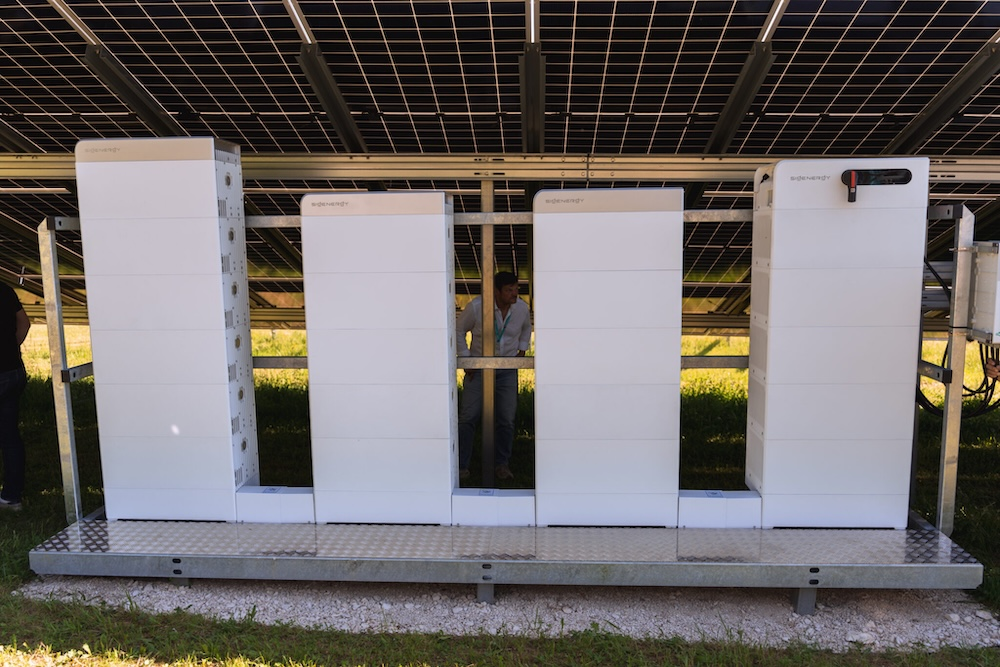
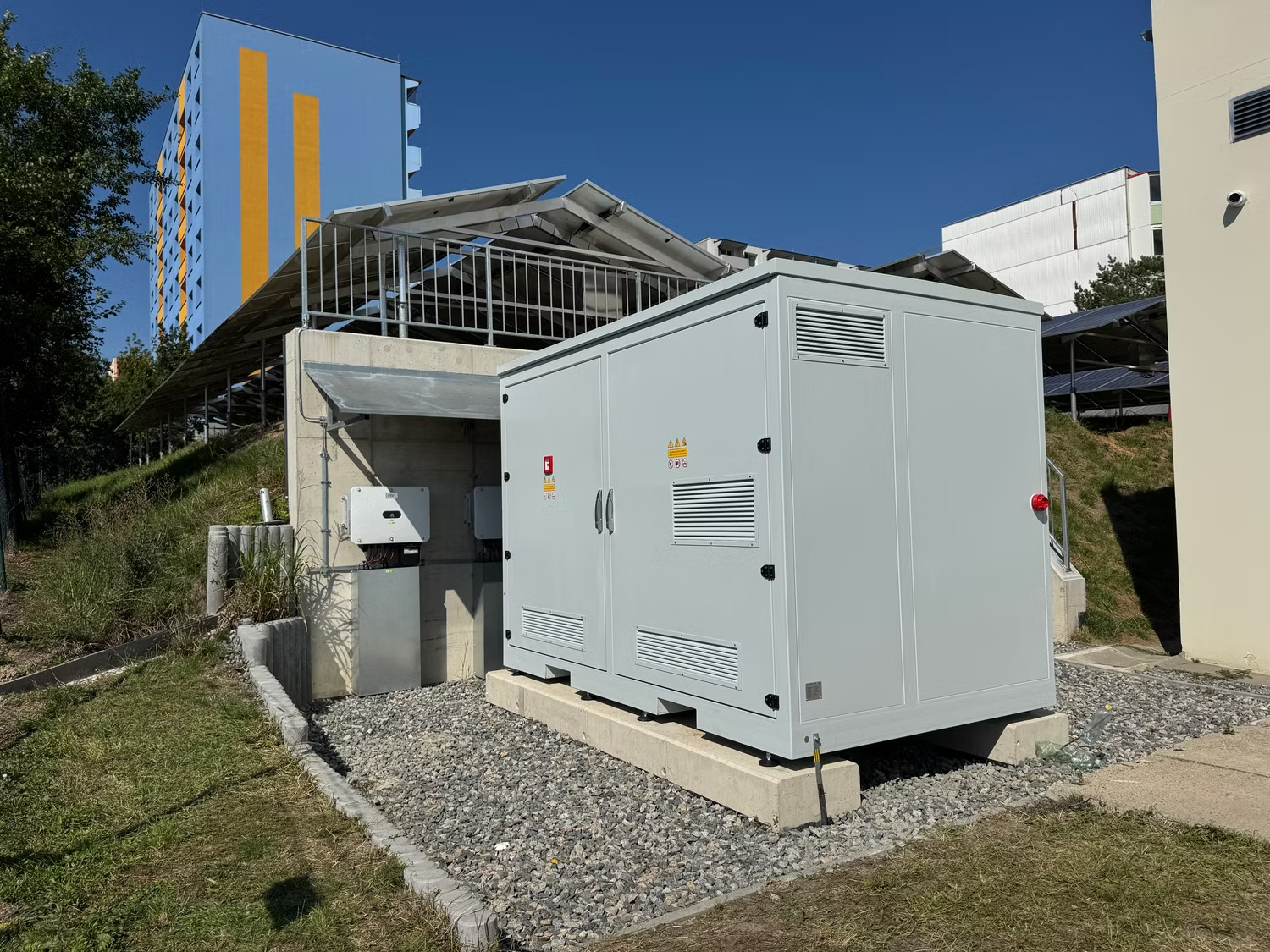
The next step is to add storage more directly into that mix. Sicre said EDP is preparing to launch its first project combining wind, solar, and battery storage, framing batteries not as conventional loads competing for grid access, but as flexibility assets that help stabilise the system and improve the use of existing infrastructure.
That distinction matters. If storage continues to be handled under rules designed for ordinary consumption, it risks slowing deployment just as variable renewable penetration rises. Spain’s renewable resource base remains strong, but the industrial challenge is shifting from pure build-out to system orchestration: grids, demand, hybridisation, and storage now sit at the centre of the investment case.