IN Brief:
- Husqvarna’s Vrbno pod Pradědem site runs continuously and produces about 200,000 robotic lawnmowers each year.
- ABB has modernised the site’s medium-voltage switchgear, replacing obsolete load-break switches with new air-insulated units.
- The programme is designed to reduce outage risk, extend service life, and limit disruption compared with full switchgear replacement.
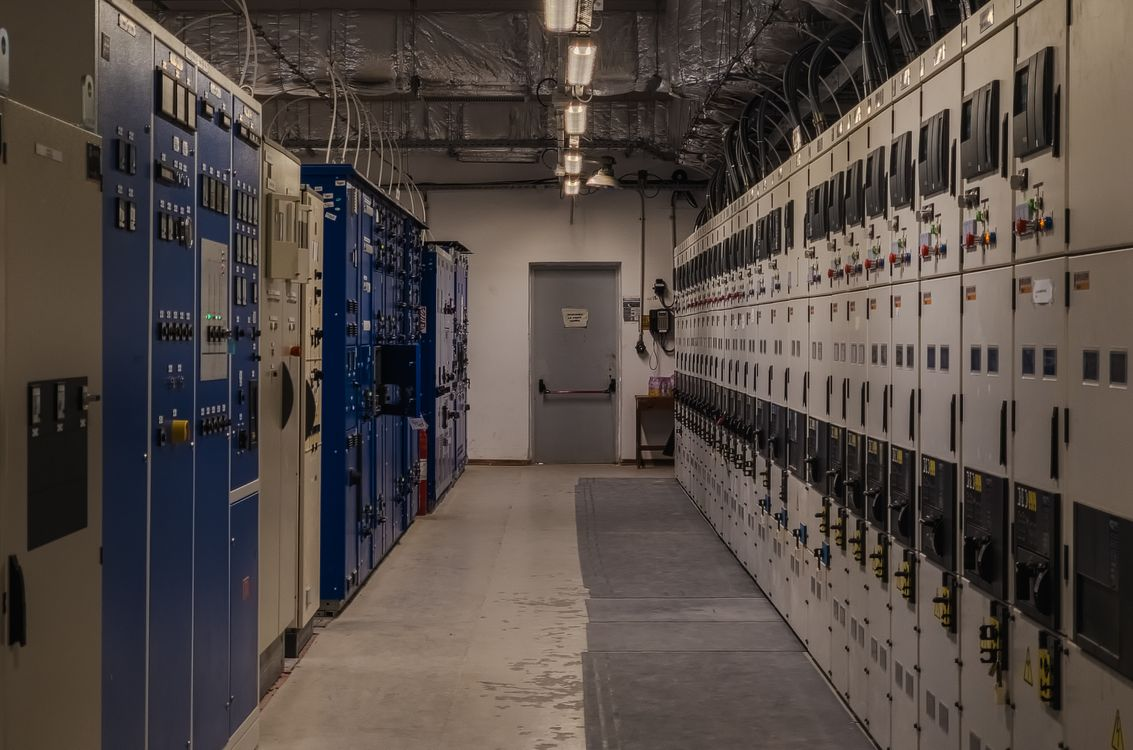
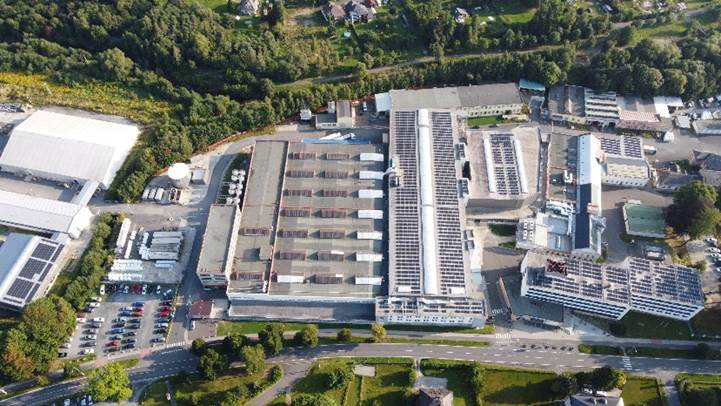
Husqvarna has completed a substantial upgrade of the electrical infrastructure at its robotic lawnmower manufacturing facility in Vrbno pod Pradědem, Czech Republic, using ABB to modernise an ageing medium-voltage switchgear base rather than replace it outright.
The site operates around the clock and produces roughly 200,000 robotic lawnmowers each year, which leaves little tolerance for electrical disruption. ABB said Husqvarna’s installed electrical base dated back to the 1960s, bringing the usual brownfield problems with it: obsolete equipment, shrinking servicing options, and a more limited spare-parts position.
Rather than strip out the switchgear and start again, ABB carried out a technical assessment through its Navigate advisory service and recommended a targeted retrofit programme. The work replaced outdated load-break switches with NAL and NALF air-insulated switches intended to improve switching performance and reduce the risk of failure.
Pavel Jiroušek, of Husqvarna Manufacturing, Czech Republic, said: “Unplanned downtime can cost our facility thousands of euros per hour, which is why a reliable and predictable power supply is crucial. We needed a sustainable solution that focused on modernizing rather than replacing our existing installed base of switchgear. A solution that offered swift implementation and minimum disturbance to our operations.”
ABB said the new switches are designed to extinguish electrical arcs rapidly and support high switching capacity, while their modular design helps shorten installation time. Once commissioned, the units can operate for 15 years before requiring service. That combination is significant in a live manufacturing environment, where planned retrofit windows are easier to absorb than a long shutdown for wholesale replacement.
The broader lesson from the project is not particularly glamorous, but it is becoming more common in mature factories: resilience upgrades increasingly mean selective electrical modernisation, not a blank-sheet rebuild. At Husqvarna’s Czech plant, that has translated into a medium-voltage upgrade aimed at protecting production continuity, extending the life of the installed base, and reducing the capital and operational disruption that a complete switchgear replacement would have brought.