IN Brief:
- EcoFlow unveiled the single-phase Ocean 2 at Key Energy in Rimini, with 5 kWh LFP modules stackable to 30 kWh.
- The updated system raises usable capacity and enclosure protection, adding 100% depth of discharge, IP66, AFCI, and 0 ms backup switching.
- Residential storage suppliers are pushing harder on modularity, retrofit compatibility, and installer-friendly form factors.
EcoFlow has launched the Ocean 2, a new single-phase residential battery inverter system, at Key Energy in Rimini as the company tightens its offer for European home storage and backup applications.
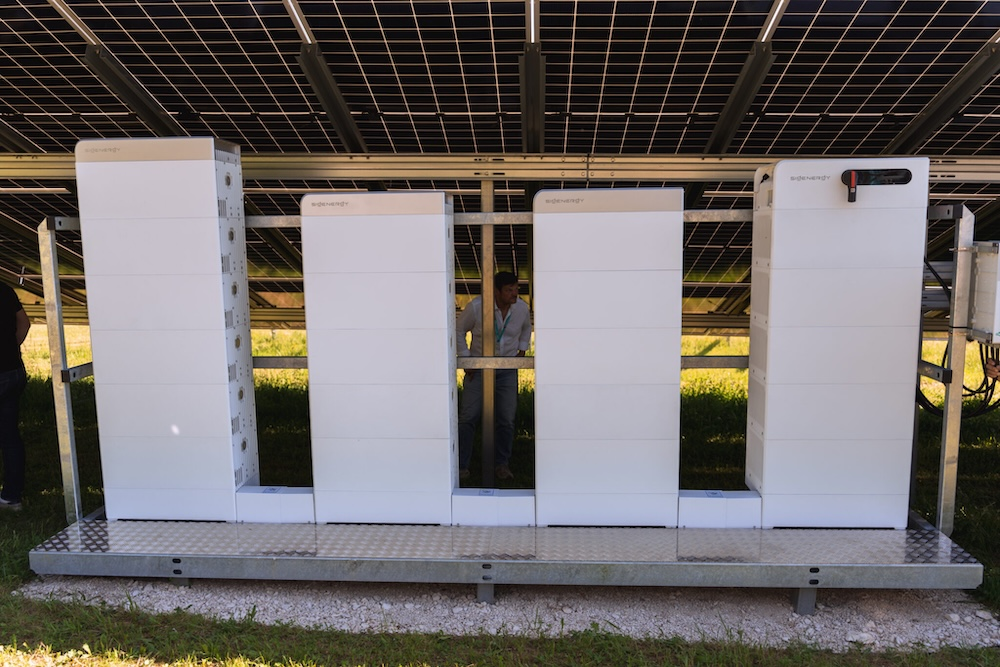
At the heart of the system is a 5 kWh LFP battery module that can be stacked up to six units for a total installed capacity of 30 kWh. EcoFlow says the new product improves on the previous generation in several practical areas, not only by lifting usable energy to a 100% depth of discharge, but also by making the hardware smaller and lighter. The battery is reported to be around 10 cm more compact and 10 kg lighter than the earlier version, bringing each module to about 50 kg.
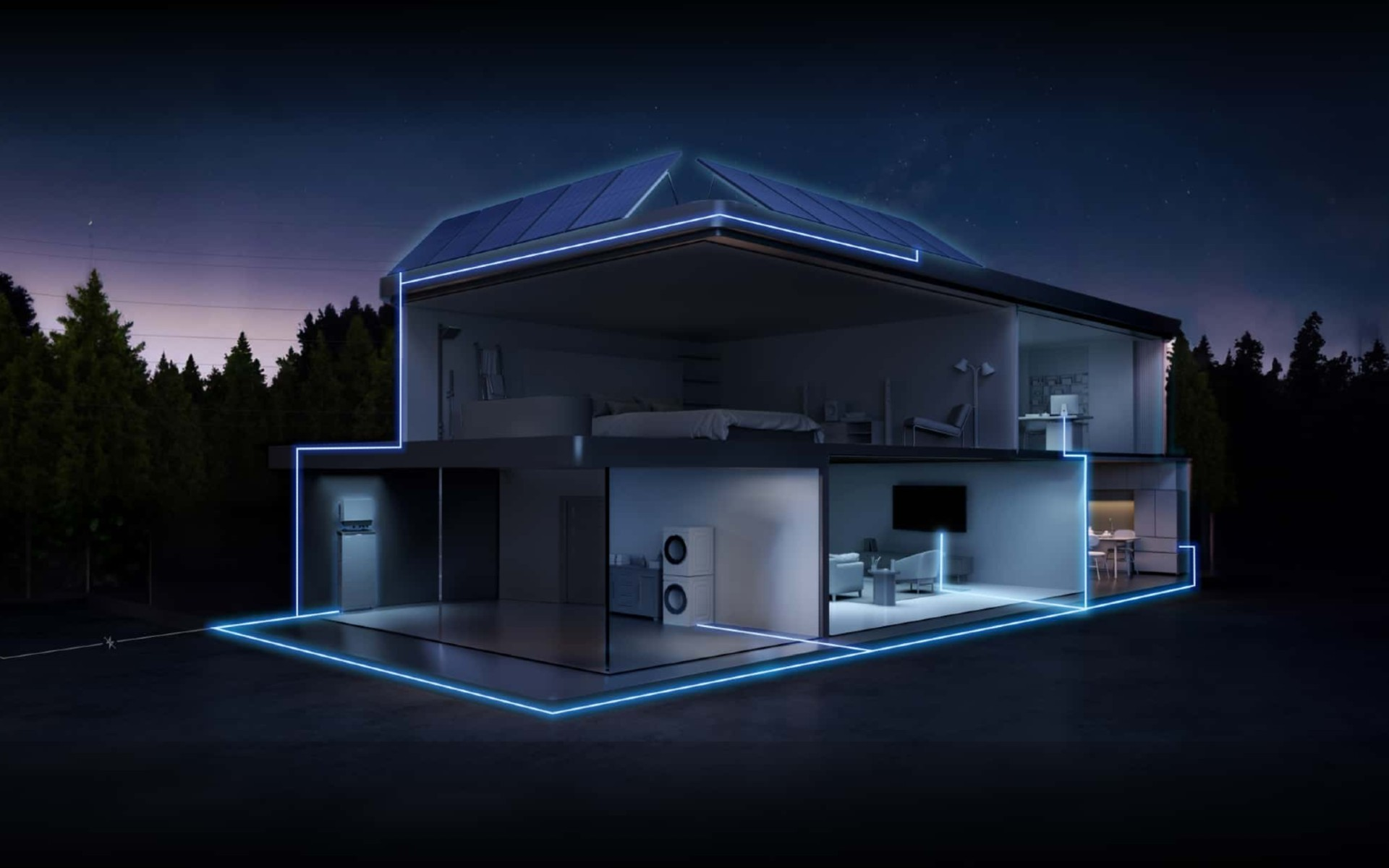
The specification moves in the same direction. Ocean 2 is rated at 3.4 kW discharge power, up slightly on the previous system, and carries IP66 protection rather than IP65. It also includes arc fault protection and integrated backup with a claimed 0 ms switching time, placing resilience and electrical safety alongside the usual self-consumption and energy shifting functions expected of residential storage.
That combination reflects where the home battery market is heading. Capacity alone is no longer the differentiator. The more competitive products are increasingly being judged on usable depth of discharge, enclosure rating, backup behaviour, software management, and the amount of effort required to get a system on the wall or into a plant room without adding complexity for the installer.
EcoFlow is also positioning Ocean 2 as a modular evolution rather than a full reset. The batteries are compatible with previous PowerOcean models and can be mixed within the same system, which matters for extensions, upgrades, and phased installations. Cloud-based management, remote updates, and predictive maintenance support the same idea — keep the hardware expandable, and keep the support layer active after commissioning.
The launch venue is relevant too. Key Energy has become one of the more visible European stages for distributed energy hardware, and unveiling Ocean 2 there signals that EcoFlow is targeting the mainstream residential solar-plus-storage segment rather than treating the product as a niche backup device.
With European residential storage suppliers now competing on the fine details of usability and protection, Ocean 2 enters a market where claims of simplicity need to stand up in specification sheets as well as in sales decks. On paper, at least, EcoFlow has made sure this one does.