IN Brief:
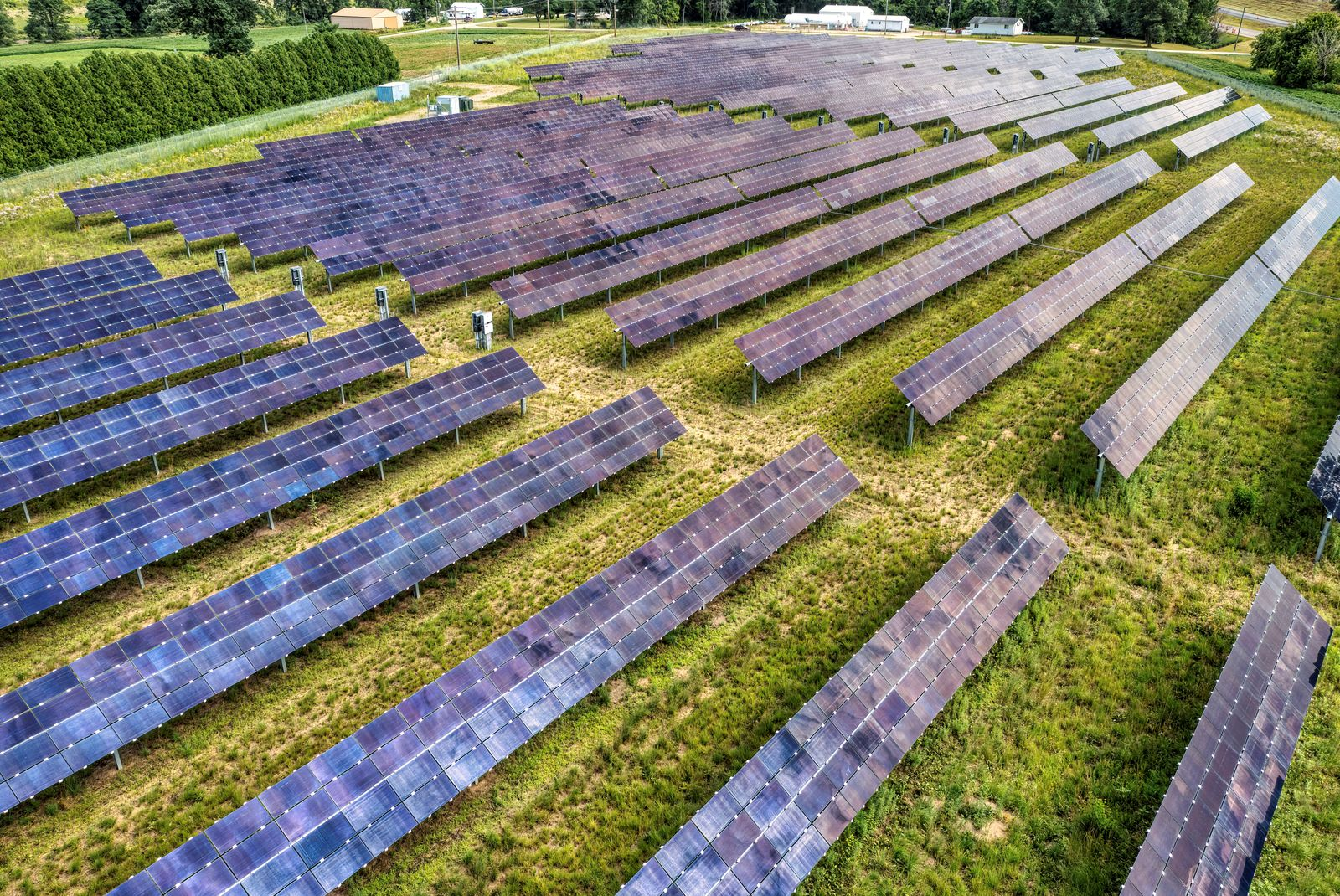
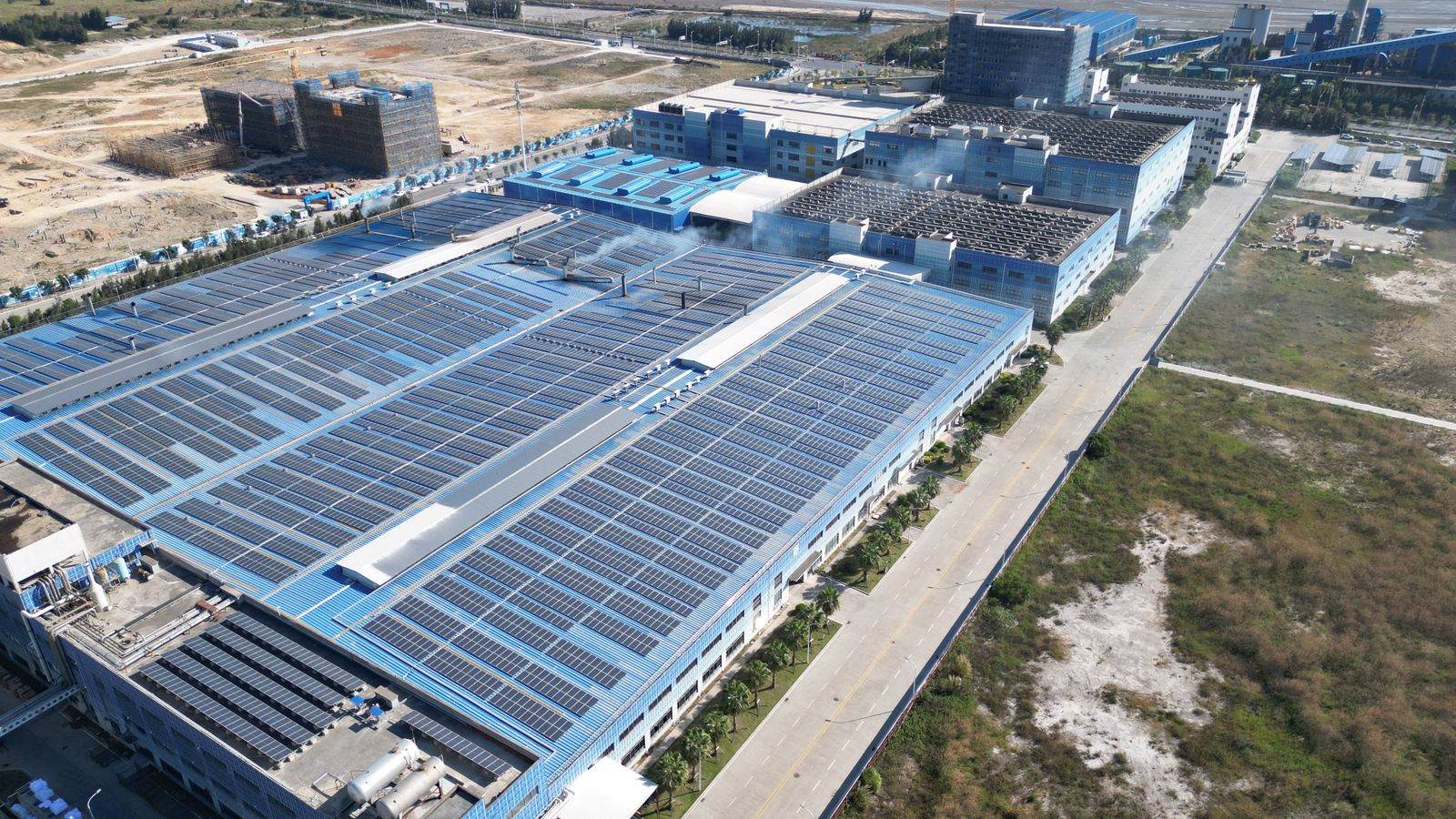
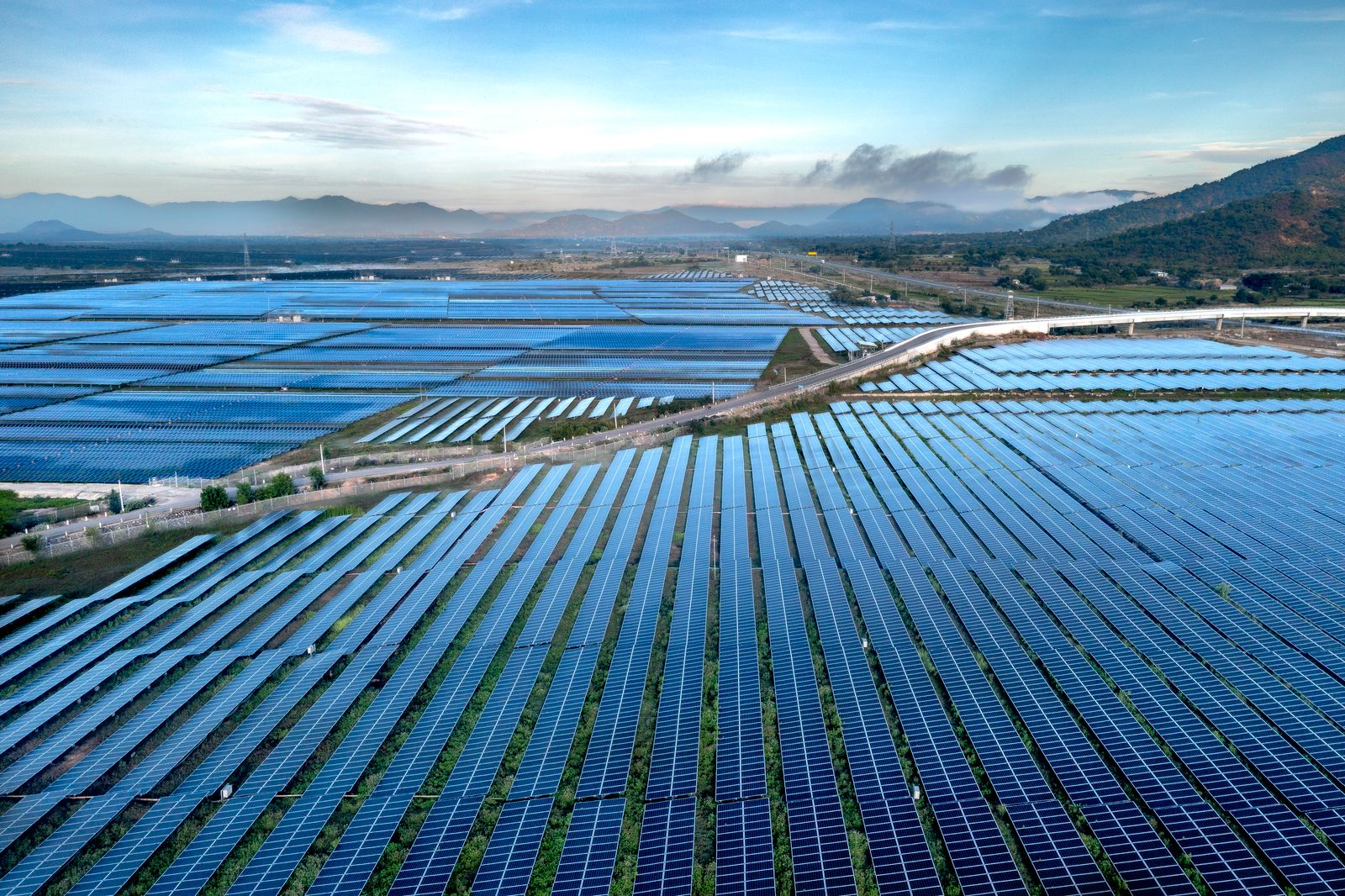
- Masdar has agreed to acquire and develop a Greek photovoltaic project exceeding 550 MW from Lightsource bp.
- The package includes two privately owned substations; battery storage is a future addition with no stated capacity.
- Completion requires regulatory clearance and other closing conditions; operational delivery is targeted for late 2026.
Masdar has agreed to acquire and develop a solar photovoltaic project with more than 550 MW of capacity in Greece from Lightsource bp, adding a major generating asset to its expanding southern European portfolio. The agreement, unveiled on 24 October 2026, also covers two privately owned substations that link the development to the transmission network. Masdar intends to incorporate battery energy storage into the project, but has not specified the battery’s power rating, energy capacity or construction programme. The acquisition remains conditional on regulatory approval and customary closing requirements.
The development is expected to become operational before the end of 2026. That timetable is a target rather than confirmation of grid energisation, completed construction or commercial electricity sales. Masdar estimates that the solar project will produce enough electricity to meet the annual needs of more than 200,000 homes once operational. The comparison describes an expected energy equivalent and should not be interpreted as firm electricity supply to a particular number of households during every hour of the year.
The scale of the proposed acquisition is significant for Greece’s electricity infrastructure. A photovoltaic installation of this size requires collection systems, grid protection and high-voltage connection equipment capable of moving output from multiple generating blocks to the transmission system. The two private substations form part of the transaction, rather than being separately announced grid investments. Their inclusion provides an important distinction between buying a collection of solar panels and acquiring an integrated generating facility with its own grid interface.
Masdar’s plans for battery storage are intended to improve flexibility and renewable integration. Solar generation peaks according to available daylight, while demand and wholesale market conditions change throughout the day. A co-located battery could charge when solar output is available and discharge later, subject to its operating configuration and the applicable network and market arrangements. It could also change how the project responds to grid constraints. None of those operating capabilities establishes a specific discharge duration or a guaranteed increase in annual energy supplied; those measures will depend on the design actually selected.
The agreement is being made through TERNA ENERGY, the Greek renewable electricity developer now controlled by Masdar. The Abu Dhabi company completed its 100% acquisition of TERNA ENERGY in April 2025 after initially acquiring a 70% stake in November 2024. Masdar is using the business as a platform for growth in Southeastern and Central Europe. Its stated regional ambition is to build 6 GW of operational renewable capacity by 2030, supported by an investment programme of €5.5 billion. The new Greek solar project contributes to that growth strategy if the acquisition closes and the asset enters operation.
The electricity requirements of data centres form a second strand of the wider development. Masdar and Khazna Data Centers have also signed a memorandum of understanding to explore green data centre development in Greece. The companies plan to investigate dedicated renewable electricity and storage arrangements for digital infrastructure, drawing on Khazna’s data centre experience and Masdar’s energy portfolio. That memorandum does not itself establish a contracted data centre, a fixed electrical load, a power purchase agreement or a grid connection for any particular computing campus.
Large digital facilities can place substantial demands on transmission and distribution assets because processors, cooling equipment and electrical auxiliaries need reliable power throughout operation. Pairing new renewable generation with storage may form one element of the supply strategy, but continuous data centre demand cannot be met by an unspecified battery alone. Additional generation, grid imports, contractual arrangements and detailed reliability engineering would need to be defined for any project that the two companies subsequently develop. The current agreements are therefore connected strategically, without proving a direct physical electricity supply link between the solar development and a future data centre.
For contractors and equipment suppliers, the relevant near-term work centres on completion of the solar asset, transmission interface and potential future storage design. Substation equipment, grid-code compliance, inverter control and any additional battery protection requirements will determine how the proposed hybrid installation can operate. Masdar has not disclosed a value for the solar acquisition, the final ownership transfer date or the size of its envisaged battery system. None should be inferred from the photovoltaic capacity alone.
The immediate milestones are regulatory clearance and completion of the transaction, both targeted by the end of 2026, alongside the project’s separate operational timetable. Masdar’s expansion plans place a substantial Greek photovoltaic development within a broader programme of storage, grid integration and digital infrastructure investment. For now, the confirmed change is an acquisition agreement for solar generation and associated substations; the storage and data centre elements remain planned rather than operational.