IN Brief:
- UK Power Networks has launched Future Fleet to model electric HGV charging demand and local network impacts.
- The £555,350 project runs from March to August 2026 and brings together freight operators, charging specialists, and energy system partners.
- The work will assess managed charging, on-site storage, solar generation, flexible connections, and shared charging models.
UK Power Networks has launched Future Fleet, an innovation project designed to model how electric heavy goods vehicles will connect to and interact with local electricity networks.
Running from 2 March to 7 August 2026, the £555,350 project will examine where electric HGV charging demand is likely to arise, how different freight operators use vehicles, and how connection costs and peak demand can be managed as fleets electrify.
Future Fleet builds on the eFREIGHT 2030 programme and brings together logistics operators Maritime and Voltloader, megawatt charging specialist Voltempo, Energy Systems Catapult, and Baringa. The partners will combine real fleet behaviour, operator archetypes, smart charging options, business models, and geospatial network analysis to develop a blueprint for freight electrification.
Different freight operations place very different demands on the grid. Return-to-base fleets may be able to use longer overnight charging windows, while long-distance operators may need high-power charging at motorway sites, logistics hubs, or shared charging locations. Those operating patterns shape load profiles, connection capacity, site layout, reinforcement needs, and resilience requirements.
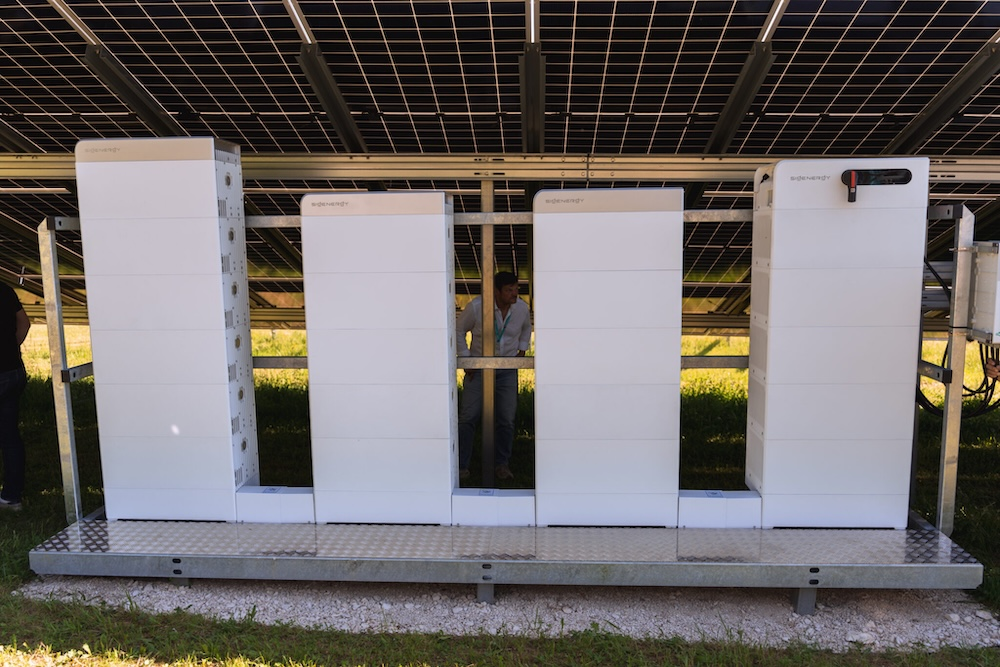
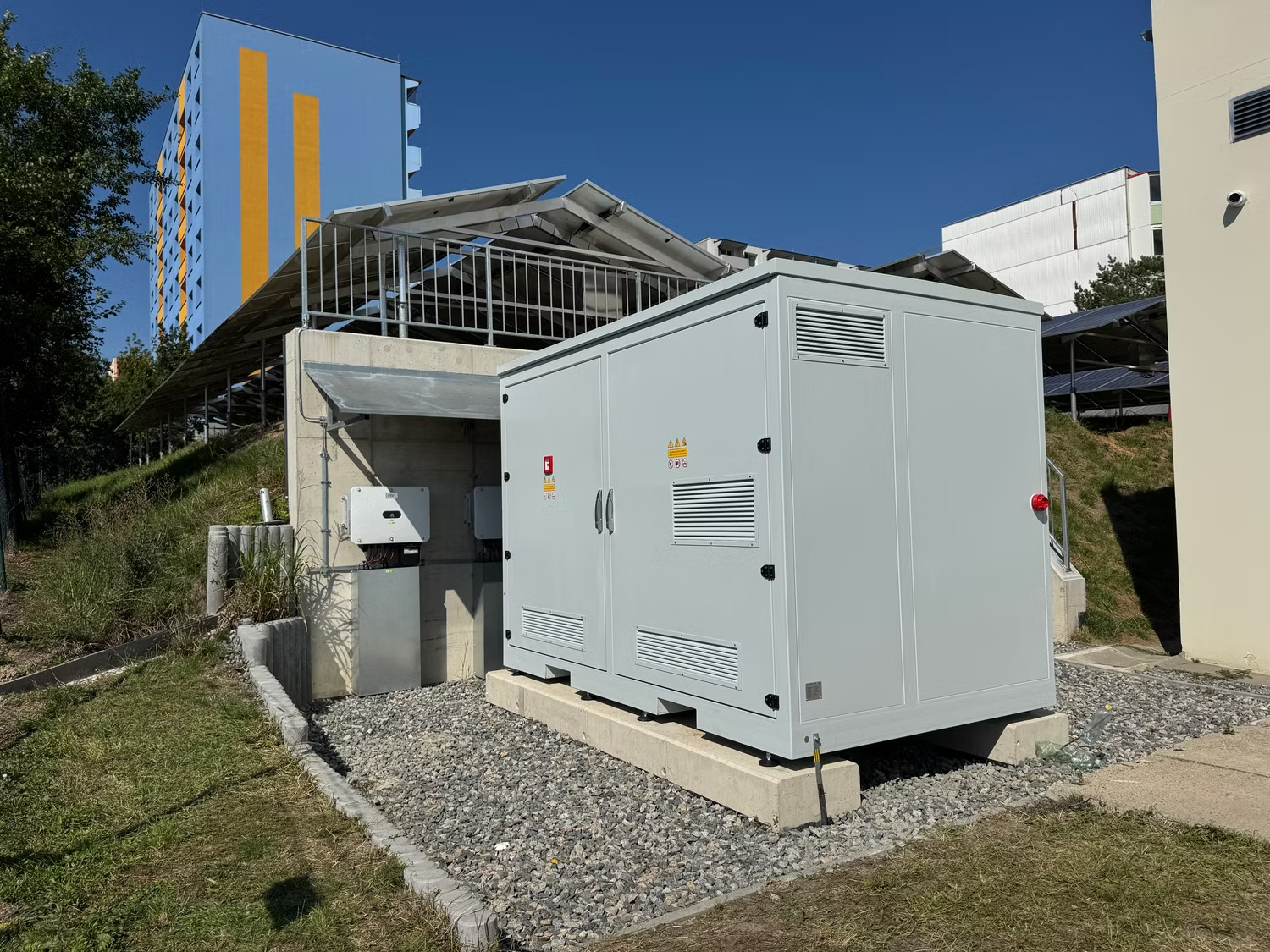
The project will test a range of smart energy approaches, including timed charging, on-site battery storage, solar generation, flexible connection options, and shared infrastructure models. It will also examine depot-as-a-service and charging hub concepts that could support multiple operators, rather than requiring every fleet to build a fully dedicated charging system.
Geospatial modelling will sit at the centre of the work. National demand projections can show broad electrification trends, but distribution network planning depends on much more local data. Future Fleet will model where high-capacity charging demand may arise across UK Power Networks’ licence areas, helping identify locations where reinforcement, flexibility, or connection design changes may be required.
Electric HGV charging is now moving from vehicle adoption into power system planning. A depot with multiple heavy vehicles can become a substantial electrical load, particularly where charging windows are short and vehicle availability is critical. Incoming supply capacity, transformer sizing, cable routes, protection settings, load management, metering, and backup arrangements all become part of the project design.
Recent charging infrastructure developments point in the same direction. ABB E-mobility’s megawatt charging architecture brings storage, power conversion, and power sharing into a site-level design, while First Bus has moved electric depots into grid balancing, turning transport infrastructure into a flexible energy asset.
Managed charging can reduce peak demand where fleet schedules allow it, while on-site batteries can soften connection requirements and help manage high-power charging events. Solar generation can support daytime operations, although many freight sites will still need substantial power overnight or during periods of high network demand. The technical design has to reflect actual fleet behaviour rather than standard charger assumptions.
Shared charging hubs could improve utilisation and reduce duplicated infrastructure in areas where multiple operators follow similar route patterns or use nearby depots. They also introduce commercial and operational questions around access, scheduling, connection ownership, power pricing, and maintenance responsibility. A shared hub has to operate as transport infrastructure, electrical infrastructure, and a commercial service platform at the same time.
Future Fleet’s final stage will design options for real-world trials, including site selection, technology requirements, data needs, and success measures. The trial design will need to account for local network capacity, fleet scheduling, charging speed, tariff exposure, and site constraints, rather than assessing the charging equipment in isolation.
Electric HGV demand will not arrive evenly across the distribution network. It will follow depots, ports, warehouses, logistics corridors, motorway service areas, and industrial estates. Better forecasting at those locations will influence how quickly connections can be delivered, how much reinforcement can be avoided, and how effectively freight electrification can be absorbed into the local network.
More detail on the project is available on the Future Fleet project page.