IN Brief:
- The Global Clean Power Alliance has detailed its next electricity grid supply chain initiatives for 2027.
- Work covers equipment standards, aggregated demand information and a proposed pooled procurement pilot involving Caribbean utilities.
- The programme remains at cooperation and testing stage; no new UK transmission construction contracts have been awarded through it.
The Department for Energy Security and Net Zero has outlined new international work to improve the availability of equipment needed for electricity grid expansion. The 12 November Global Clean Power Alliance update concentrates on aligning technical requirements, making forthcoming utility orders more visible to manufacturers, and testing pooled procurement. A proposed purchasing pilot with Caribbean utilities is one of the first practical activities. The programme has not yet placed equipment orders or awarded transmission construction contracts.
The update, published on 12 November, identifies electricity grid supply chains as one of four priority areas for cooperation. The others cover clean power supply chain data, circularity in the wind sector, and manufacturing opportunities in emerging markets. The initiative follows a shared approach established at COP30 by Australia, Canada, Kenya, the Netherlands, the United Kingdom, and Zambia, with support from the European Commission. Oman has now joined the mission, extending the group of governments involved in developing its work programme.
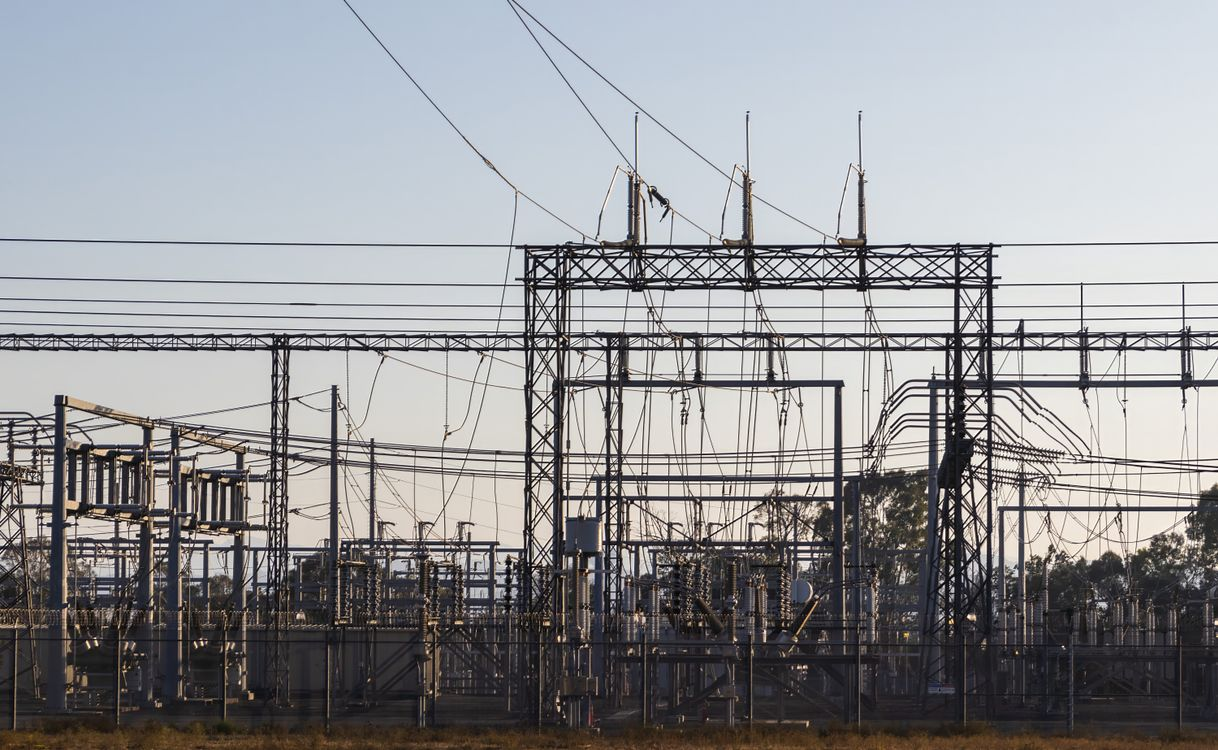
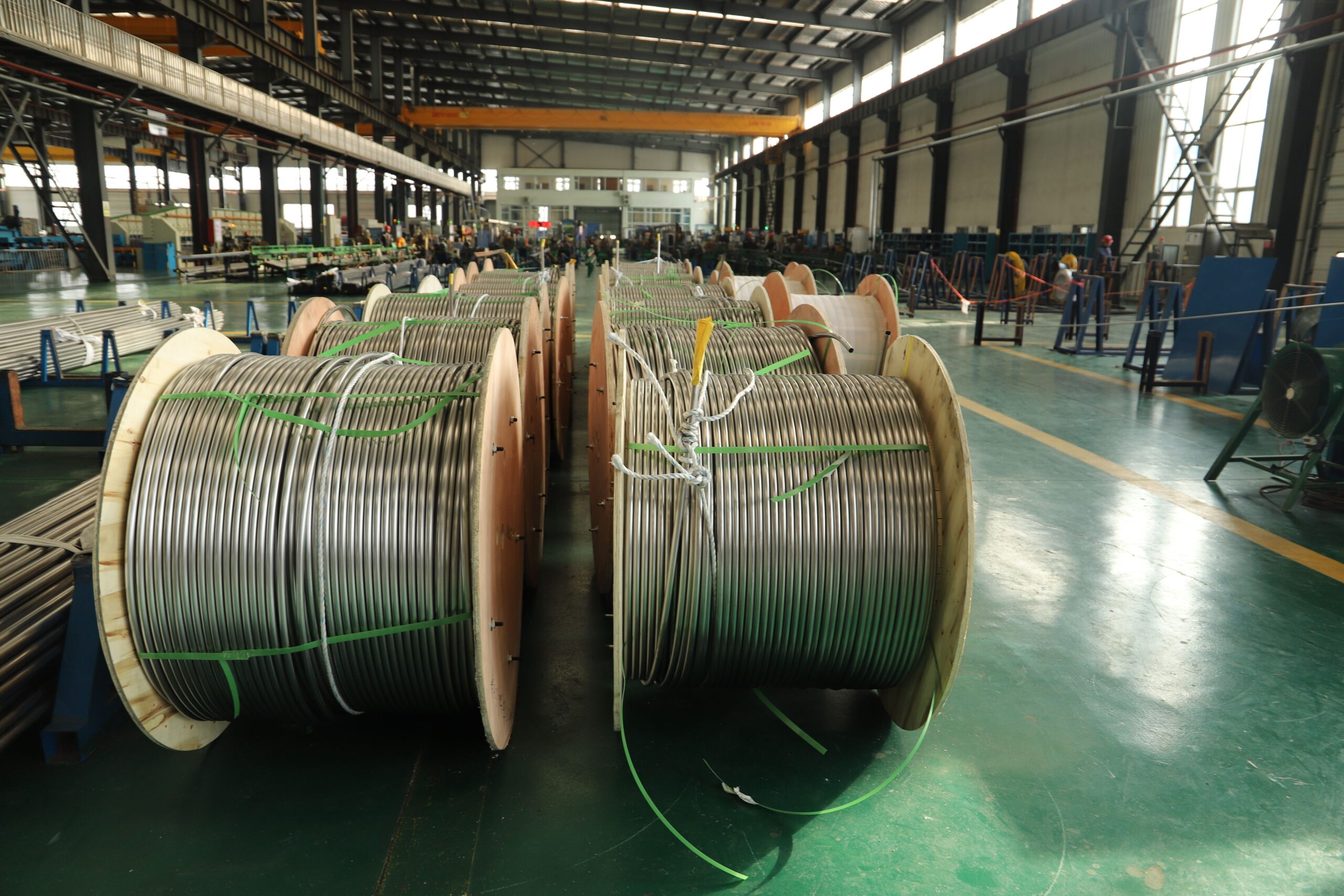
Manufacturers of transformers, cables, switchgear and substation equipment need sufficiently detailed orders to plan production, while utilities often reserve manufacturing capacity before a network project is ready for commissioning. Even equipment with similar nominal ratings may differ in insulation requirements, connections, control interfaces, protection settings and acceptance tests. The proposed harmonisation work is intended to identify requirements that buyers can share without disregarding the operating conditions and technical standards of individual networks.
The grid workstream began with a technical dialogue on supply chain bottlenecks in May 2026. During London Climate Action Week in June, the alliance and the Utilities for Net Zero Alliance (UNEZA) convened governments and industry, followed by a commitment from utility members to improve demand visibility and coordinate specifications and purchasing. The November update advances those commitments into regional trials. The timing and scale of any resulting procurement orders remain to be determined.
The Caribbean pilot is being developed with UNEZA to test whether utilities can combine requirements when purchasing network equipment. Individual projects can struggle to offer manufacturers a predictable sequence of orders; coordinated purchasing could consolidate demand across several networks. A workable tender would still have to specify technical differences between installations, agree delivery schedules and allocate inspection and acceptance responsibilities. No pilot value, participating supplier list or delivery date is disclosed in the UK update.
Substation specification is especially sensitive to local conditions. Transformer cooling, insulation coordination, short-circuit withstand, switchgear interfaces and protection arrangements depend on the system into which a component is connected. A harmonised purchasing specification can address common performance and test requirements, but detailed design must still account for site-specific electrical duties. Better forward visibility of equipment needs would also help suppliers plan materials, specialist manufacturing labour and factory test capacity.
The wider mission has agreed seven priority actions following work on clean energy supply chain data with the International Energy Agency. Its proposed workplan includes stronger supply chain mapping, improved data interoperability, and examination of trade classifications for energy technologies. More consistent data could make it easier to identify where order volumes, manufacturing capacity and component lead times are mismatched. The government has identified UNIDO as a partner supporting the delivery of this data work through 2027.
The standardisation discussions also need to distinguish a forecast of demand from a purchase commitment. A network operator may identify a future requirement for transformers or high-voltage cables well before the project has its final connection design, funding and delivery date. Manufacturers can use that information to plan possible capacity, but production slots and factory acceptance programmes require firmer specifications. The proposed cooperation is therefore pursuing both better demand data and the separate question of how utilities might combine purchases once requirements are sufficiently defined.
The alliance is also examining circularity in onshore and offshore wind supply chains, including forecasting the availability of components and materials as older installations reach the end of service. Engineering X, the Offshore Renewable Energy Catapult and The Circularity Collective are being engaged as potential technical partners. That work sits alongside, rather than inside, the grid procurement pilot; it is concerned with the reuse, refurbishment and recycling of wind assets and does not establish new UK recycling requirements.
At COP31, utility and manufacturing representatives discussed common standards, longer-term demand signals and workforce development. They are working towards a joint declaration for the IRENA Assembly in January 2027. During 2027 the alliance plans to develop the regional trials and its wider technical cooperation programme. The next concrete evidence of progress will be the specifications agreed for the Caribbean pilot, the utilities participating in it, and whether consolidated demand becomes an equipment purchasing arrangement.