IN Brief:
- TTEP has inaugurated its 65MW/130MWh Reyna battery at the Émile Huchet power station site.
- Reyna joins the 30MW/45MWh Merbette facility, commissioned in 2024, bringing installed storage to 95MW/175MWh.
- The two installations support electricity system flexibility as Saint-Avold develops beyond its established conventional generation activities.
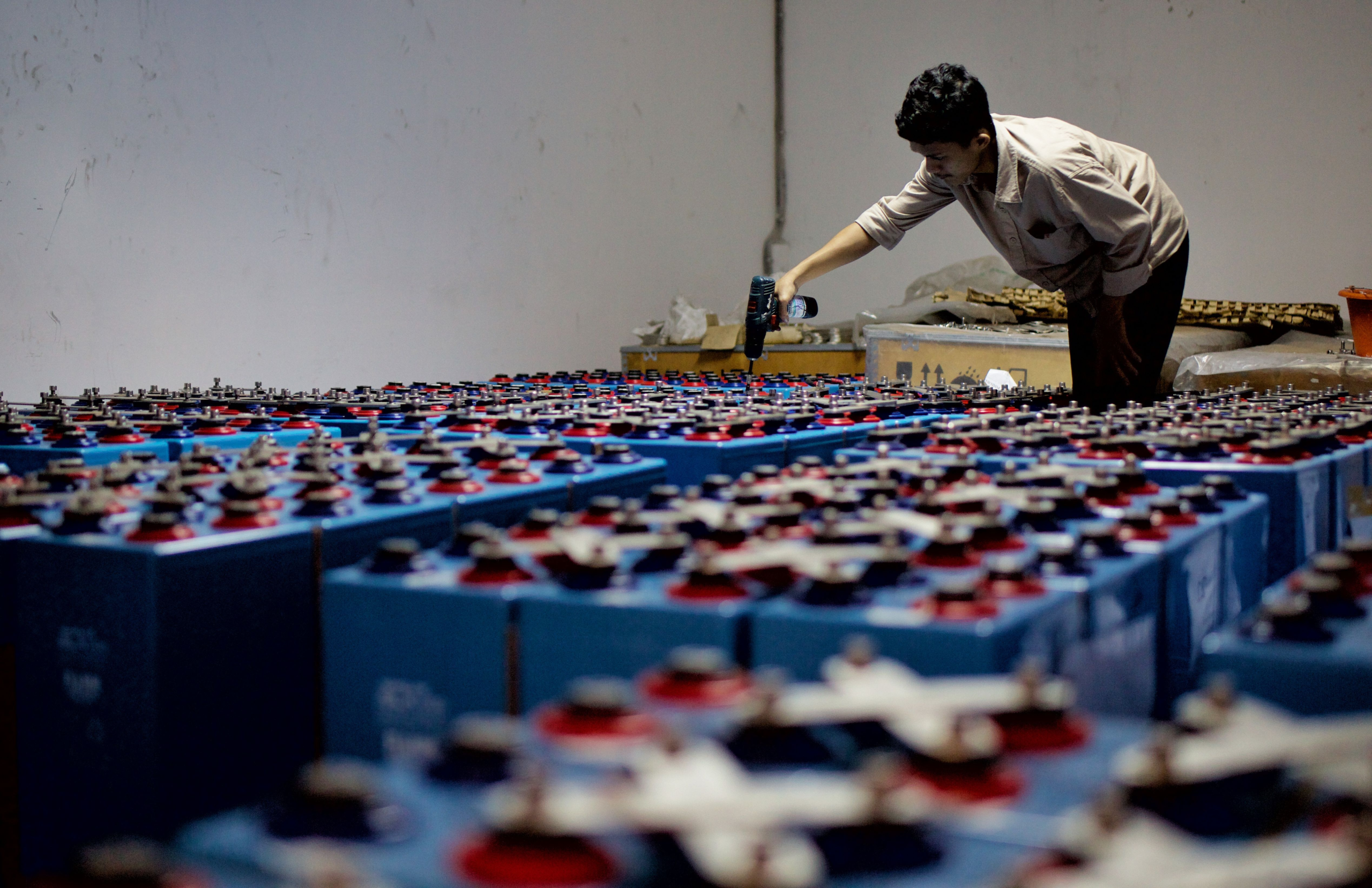
TTEP has inaugurated the 65MW Reyna battery energy storage facility at the Émile Huchet power station site in Saint-Avold, northeastern France, adding 130MWh of storage capacity to an established industrial electricity generation complex.
The inauguration took place on 3 November and marks the completion of the site’s second battery installation. Reyna joins the Merbette facility, commissioned in 2024, which has a power rating of 30MW and an energy capacity of 45MWh.
Together, the two installations provide 95MW of installed battery power capacity and 175MWh of stored energy. Their development forms part of the continuing transformation of the Émile Huchet site, where TTEP is combining established power generation operations with equipment capable of responding to changing electricity system requirements.
The facilities have different power and energy ratings, allowing them to support distinct operating profiles. Reyna’s 130MWh capacity represents a nominal discharge duration of two hours at its full 65MW rating, while Merbette’s 45MWh provides approximately 90 minutes at 30MW.
These durations are calculated from the stated equipment ratings. The energy available for individual operating periods depends on battery state of charge, conversion losses, operating reserves and any restrictions applied through the control system or electricity market arrangements.
Power and energy ratings describe different characteristics of battery storage. Megawatts indicate the rate at which a system can deliver or absorb electricity, while megawatt-hours describe the total amount of energy held. Two batteries with similar power ratings can therefore have different discharge durations and suitability for particular operating requirements.
Reyna’s higher power rating allows it to provide a greater instantaneous electrical output than Merbette, while its larger energy capacity supports a longer period of sustained discharge. The combination increases the range of charging and discharging schedules available across the Saint-Avold storage portfolio.
Battery installations exchange electricity with the alternating current network through bidirectional power conversion equipment. During charging, electrical energy is converted into a form suitable for storage within the battery cells. During discharge, the conversion system returns that energy to the network as controlled alternating current power.
The conversion equipment must operate within defined voltage, current and thermal limits, while the battery management system supervises cell conditions and the available state of charge. Higher-level controls determine the requested charging or discharging rate according to the installation’s operating programme.
Rapid changes in output allow suitably configured batteries to participate in electricity balancing and frequency-related services. Their actual contribution depends on the contracted service, available energy, response capability and the operating requirements of the connected power system.
Frequency control involves adjusting electrical power to help maintain the balance between generation and demand. Battery converters can respond quickly to control instructions, although the duration of any sustained response remains limited by the energy stored in the system and its charging or discharging constraints.
Storage also provides a means of moving electricity delivery between different periods. When charging is available during times of relatively high generation or lower demand, stored energy can subsequently be released when system requirements change. This creates operational flexibility without requiring the storage facility itself to produce primary energy.
The value of such operation depends on electricity prices, network conditions and the opportunities available through relevant system services. Successive discharge periods must also be coordinated with sufficient charging opportunities, because stored energy is depleted during operation and must be replenished.
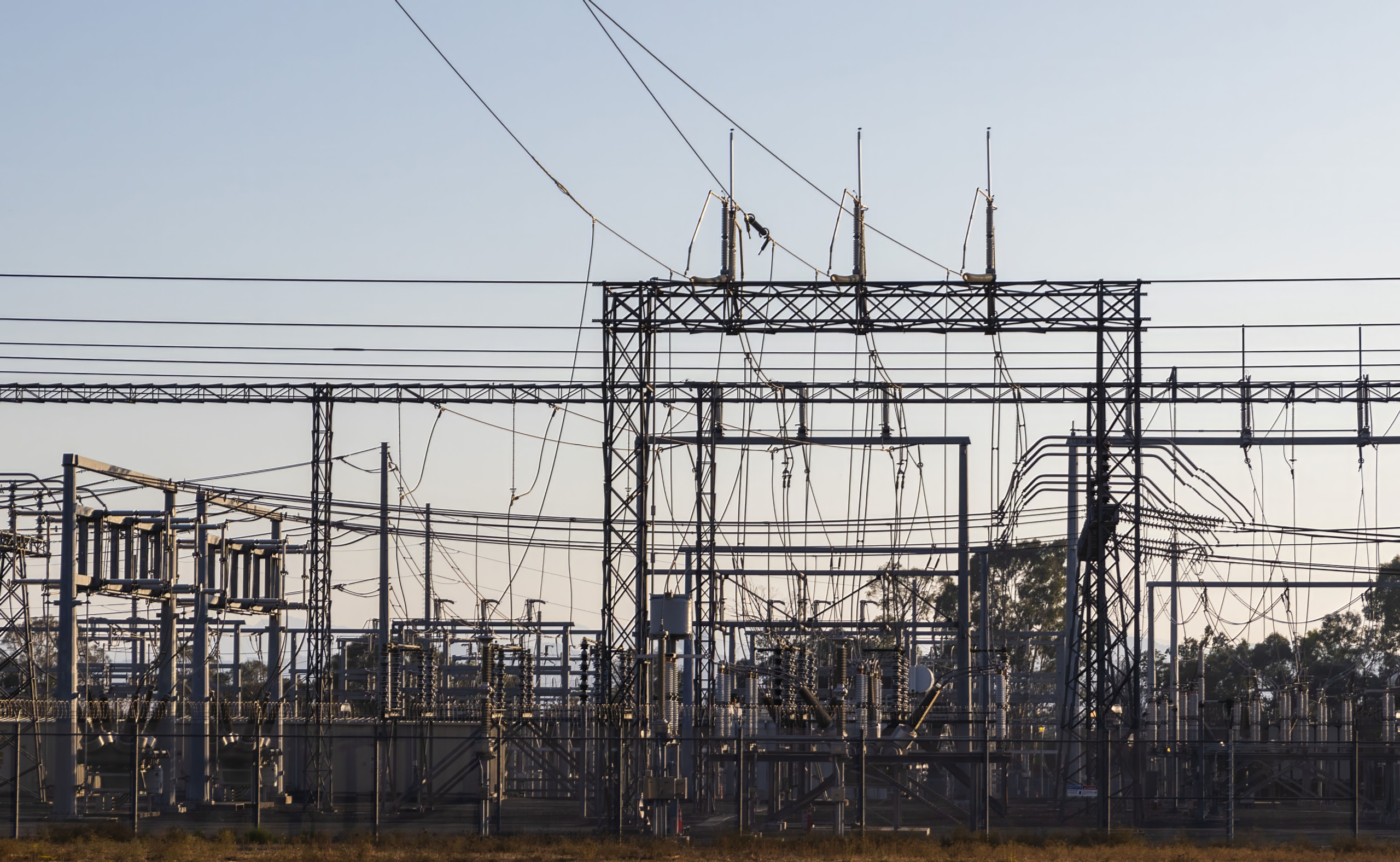
Saint-Avold’s existing industrial infrastructure provides a substantial foundation for the two projects. The former coal generation site has an established history of high-voltage operations, power engineering and industrial asset management, with personnel experienced in maintaining and operating electricity infrastructure.
TTEP credits its local teams with supporting both battery developments through permitting, construction, commissioning and operational preparation. Their experience brings established engineering and safety practices into the deployment of equipment with different operating characteristics from conventional thermal power stations.
Existing power station infrastructure can offer suitable industrial land and access to electrical engineering resources, but each new battery installation still requires its own connection and protection arrangements. Transformers, switchgear, metering, isolation equipment and controls must be selected and coordinated for the battery’s operating voltage and permissible power flows.
Charging introduces a direction of electricity flow that must be accommodated by the installation’s electrical design. Protection systems need to distinguish normal charging and discharging from electrical faults, while control arrangements must ensure that the agreed network connection limits are observed.
TTEP France operates within a wider European business jointly owned by TotalEnergies and EPH. The group has flexible power generation and related assets in several European markets, including the United Kingdom, Ireland, Italy, the Netherlands and France.
The battery installations add another source of operating flexibility to that portfolio. They can change output without the combustion and thermal processes associated with conventional generators, although their finite energy capacity means they fulfil a different role from generation assets capable of sustained operation while fuel remains available.
TTEP is examining further opportunities to develop the Émile Huchet complex as an energy hub, building on the site’s electricity infrastructure and industrial experience. The company has not specified additional battery capacity or a construction timetable for subsequent projects.
Reyna is now operational alongside Merbette, establishing a combined 95MW/175MWh storage fleet at Saint-Avold. The completed facilities provide additional controllable electrical capacity as the site continues its transition towards a broader mix of power generation and flexibility technologies.