
IN Brief:
- TenneT has appointed Frans Everts as chief executive and chair of its executive board.
- He will take up the role on 1 November 2026 for a four-year term.
- The appointment places new leadership over major Dutch and German transmission investment programmes.
TenneT has appointed Frans Everts as chief executive officer and chair of the executive board of TenneT Holding and TenneT Netherlands, with the appointment due to take effect on 1 November 2026.
Everts will join the transmission system operator for a four-year term, succeeding Manon van Beek, who will remain in post until the handover. The appointment has been approved by TenneT’s shareholder, the Dutch Ministry of Finance.
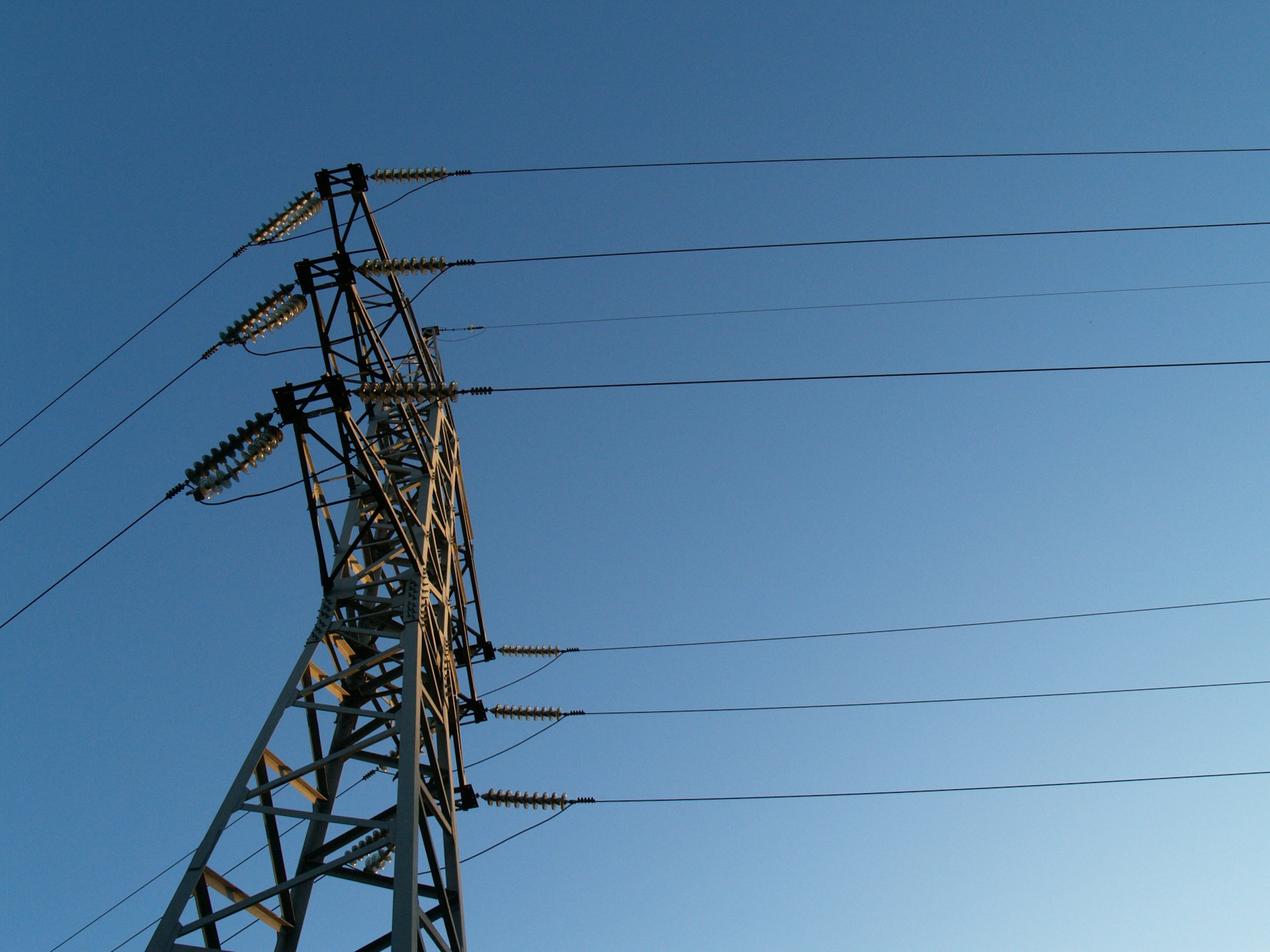
Currently president-director of Shell Nederland, Everts brings more than three decades of international energy sector experience to one of Europe’s most heavily scrutinised grid operators. TenneT manages critical transmission infrastructure in the Netherlands and Germany, including high-voltage networks, offshore wind connections, and cross-border electricity flows.
The company’s operating position spans two power markets facing similar pressures from electrification and renewable integration. In the Netherlands, grid congestion has affected industrial connection requests and new energy projects, while in Germany, transmission expansion remains central to moving wind generation from northern regions toward demand centres further south.
Transmission operators are now carrying a larger share of Europe’s industrial transition. Grid capacity determines whether data centres, electrolysers, EV charging hubs, manufacturing sites, heat networks, and renewable projects can connect on workable timelines. Network development has therefore moved from a regulated utility function into a strategic delivery constraint for the wider energy system.
Cross-border infrastructure is also becoming more prominent in European power planning. The EU’s €600m call for cross-border energy infrastructure underlined the growing reliance on interconnection, offshore grids, and coordinated transmission investment to manage renewable power across national systems.
TenneT’s next investment phase will require careful sequencing between offshore wind connections, onshore reinforcement, transformer capacity, converter stations, and digital system operation. Congestion cannot be solved by building one class of asset in isolation. New lines, substations, control systems, and flexibility markets must develop together if grid users are to see practical connection capacity.
Procurement conditions remain difficult across high-voltage equipment markets. Lead times for transformers, cables, switchgear, and power electronics have lengthened as grid operators, renewable developers, and industrial electrification projects compete for the same supply chains. Capital programmes now require earlier ordering, stronger supplier frameworks, and closer alignment between engineering design and procurement.
For TenneT, leadership during this investment cycle will involve more than project approvals. The company must manage public consent, regulatory scrutiny, construction delivery, asset reliability, and the financial consequences of delay. Transmission planning has become a direct measure of energy security, industrial competitiveness, and decarbonisation progress.
The appointment places Everts at the centre of that delivery challenge. TenneT’s performance over the next four years will be judged by the speed at which planned network capacity becomes available, the extent to which congestion is reduced, and the reliability of the grid as renewable generation and electrical demand continue to rise.

