IN Brief:
- The Lewis Hub project has progressed from ground investigations to main construction at Arnish Moor, near Stornoway.
- RJ McLeod has signed the first principal construction package for the converter station and associated AC substation site.
- The wider 525kV HVDC project is designed for 1.8GW of power transfer, with commissioning expected in 2030.
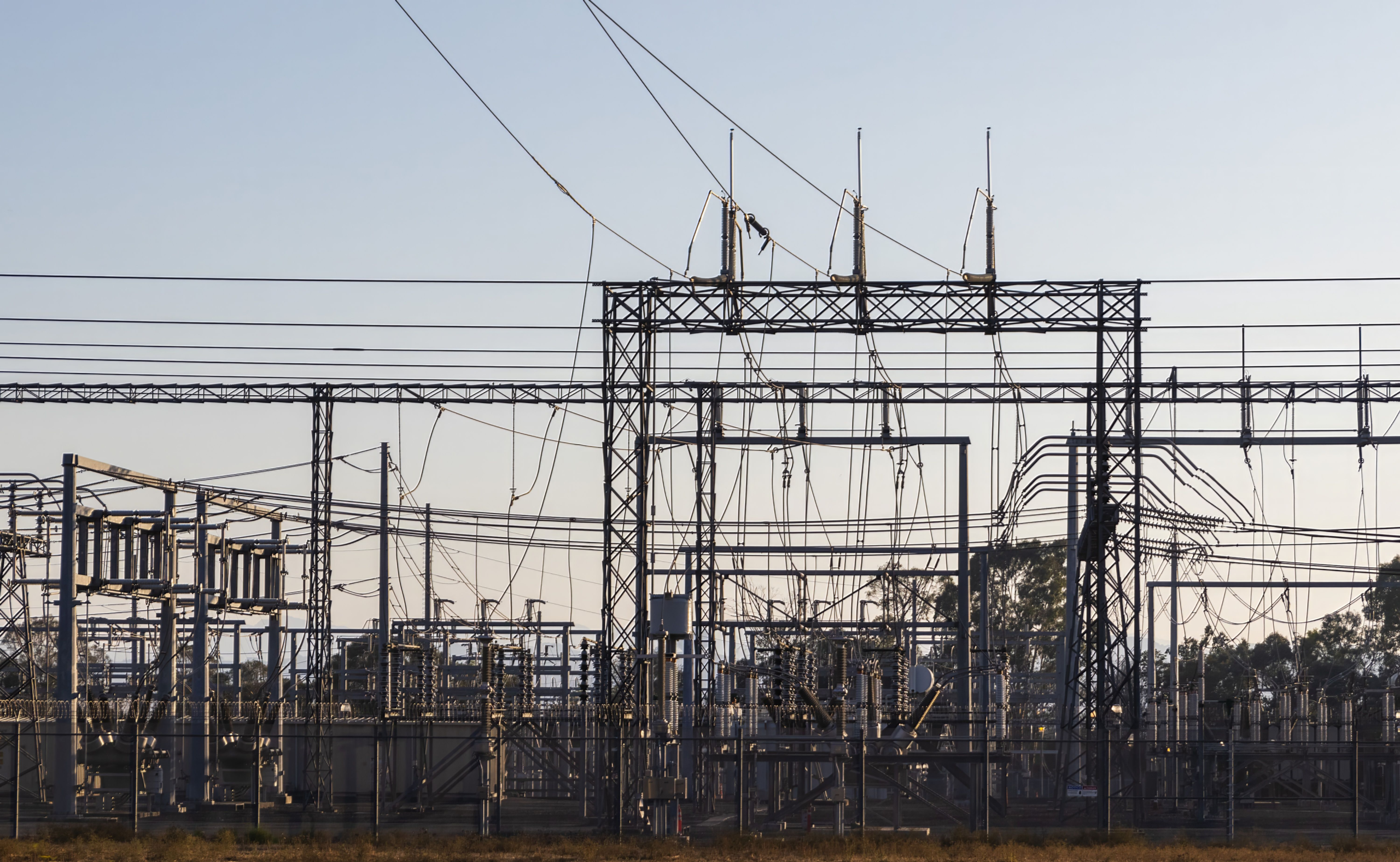
SSEN Transmission has begun main construction of the Lewis Hub at Arnish Moor near Stornoway, advancing the Western Isles Connection from preparatory works into the principal construction phase. The site will accommodate an HVDC converter station and a 400kV alternating-current substation, forming the island terminal of a proposed 1.8GW transmission connection to mainland Great Britain. The hub will enable future renewable generation to access the wider electricity system while strengthening the islands’ transmission infrastructure.
The milestone was marked at a groundbreaking event on 5 November, with SSEN confirming the development the following day. Highlands contractor RJ McLeod has signed a contract for the first major package of civil works, covering preparation of the site for the converter station, AC substation, and other infrastructure. The construction award follows ground investigations and initial site preparation. Installation of the principal electrical equipment and the cable system will take place later in the programme, with commissioning planned for the end of the decade.
The electrical architecture will bring power from the islands’ alternating-current network into a converter station and transfer it through an HVDC cable system towards the mainland. Direct current is commonly selected for long submarine transmission routes because it can avoid some of the reactive-power and charging-current constraints associated with long high-voltage alternating-current cables. A converter is then required at each end to interface the DC transmission system with the surrounding AC grids. The equipment, its protection systems and the connected substations consequently have to be designed and tested as an integrated transmission arrangement.
Cable supplier NKT describes the wider connection as a 525kV HVDC system with a planned transfer capability of 1.8GW. Its reference design lists approximately 83km of offshore route and 86km onshore, or around 170km geographically, with two cable lengths for each section of the route. NKT’s responsibilities include cable design, manufacture, installation, and testing, and it currently identifies 2030 as the expected commissioning year. The cable route figures describe the transmission corridor, while the conductor lengths take account of the separate cables needed for the DC link.
Lewis Hub’s 400kV AC substation will connect the island’s alternating-current infrastructure with the converter station. The substation is included in the development approved through the local planning process, alongside the HVDC equipment and access works. Once built, switchgear and protection equipment will control how generation is collected and routed into the converter, while transformers and associated systems provide the voltage interfaces required by the wider connection. The commissioning programme must bring these functions together with the cable terminals and the mainland converter at Fanellan, near Beauly.
Delivery responsibilities are spread across a group of specialist contractors. SSEN names Balfour Beatty, Linxon, Hitachi Energy and NKT among the companies working on key elements of the wider programme, alongside RJ McLeod’s new civil engineering package. That split reflects the different work needed for converter technology, substations, cable manufacturing and construction. It also makes interfaces between civil works and electrical installation a significant practical consideration: equipment foundations, access, delivery arrangements and working space must be ready before major components can be installed and tested.
Ground conditions and access remain important early construction considerations at Arnish Moor. Earlier investigations included rock testing and trial blasting to inform the design of foundations and construction methods. Works near Ruisaurie and Beauly on the mainland side have progressed through separate access and enabling stages. RJ McLeod’s newly signed contract concerns the Lewis site, where civil engineering must establish the platforms, foundations, drainage, and access needed before heavy electrical equipment can be delivered and installed.
More than 40 local businesses have joined the Lewis Hub supply chain, according to SSEN, and over 200 jobs are already supported through the related construction and housing activity. The developer is targeting £125 million of spending with Western Isles businesses over the project, while its estimate for locally generated expenditure through the RJ McLeod package is around £16 million. The spending covers materials, logistics, subcontracting, accommodation, and other services required by a construction programme of this size. Local contractors are therefore participating in the physical delivery of the electrical infrastructure as well as supporting the workforce.
Construction activity is prompting related investment in access and accommodation. SSEN has committed £3.4 million towards upgrades to Arnish Road and says more than 70 apprenticeship and trainee opportunities are expected. Housing and temporary accommodation projects are being developed alongside the transmission works to support the workforce. Managing those demands is relevant to the delivery timetable because large electrical construction sites require sustained access for specialist contractors and heavy plant, as well as accommodation for teams working over extended periods.
The Western Isles have substantial prospective renewable generation that requires stronger transmission access to reach demand elsewhere in Great Britain. The planned 1.8GW link provides the designed transfer capability, while individual wind and other generation projects will still proceed through their own consents, grid connections, construction, and testing. Transmission capacity will become available as the converter stations and cable system are commissioned. Lewis Hub’s move into main construction is consequently an infrastructure delivery milestone that precedes the operation of the full cross-sea link.
SSEN’s immediate programme now centres on the main Lewis Hub civil works and coordination with the specialist converter, substation, and cable contractors. Completion of construction platforms and access routes will enable the installation of major electrical equipment, followed by wiring, protection integration, and tests of the interconnected system. NKT’s current reference timetable anticipates commissioning of the Western Isles HVDC link in 2030. The new RJ McLeod agreement gives the island-side construction phase a defined contractor and advances the work needed before that target can be reached.