IN Brief:
- Moray Council has approved the proposed Corshellach substation beside Berryburn, around 12km south of Forres.
- The design includes a 275/33kV, 120MVA grid transformer and associated 33kV metering and switching equipment.
- The infrastructure is intended to connect Cairn Duhie Wind Farm and Corshellach BESS, with further works and commissioning still ahead.
SSEN Transmission has secured Moray Council planning approval for a new 275/33kV substation near Dunphail, creating a route towards connecting renewable generation and battery storage to the transmission network in north-east Scotland. The proposed Corshellach installation will sit beside the existing Berryburn substation on the Altyre Estate, approximately 12km south of Forres. The council’s Planning and Regulatory Services Committee approved the application unanimously, with the network developer reporting no objections from members of the public or consultees.
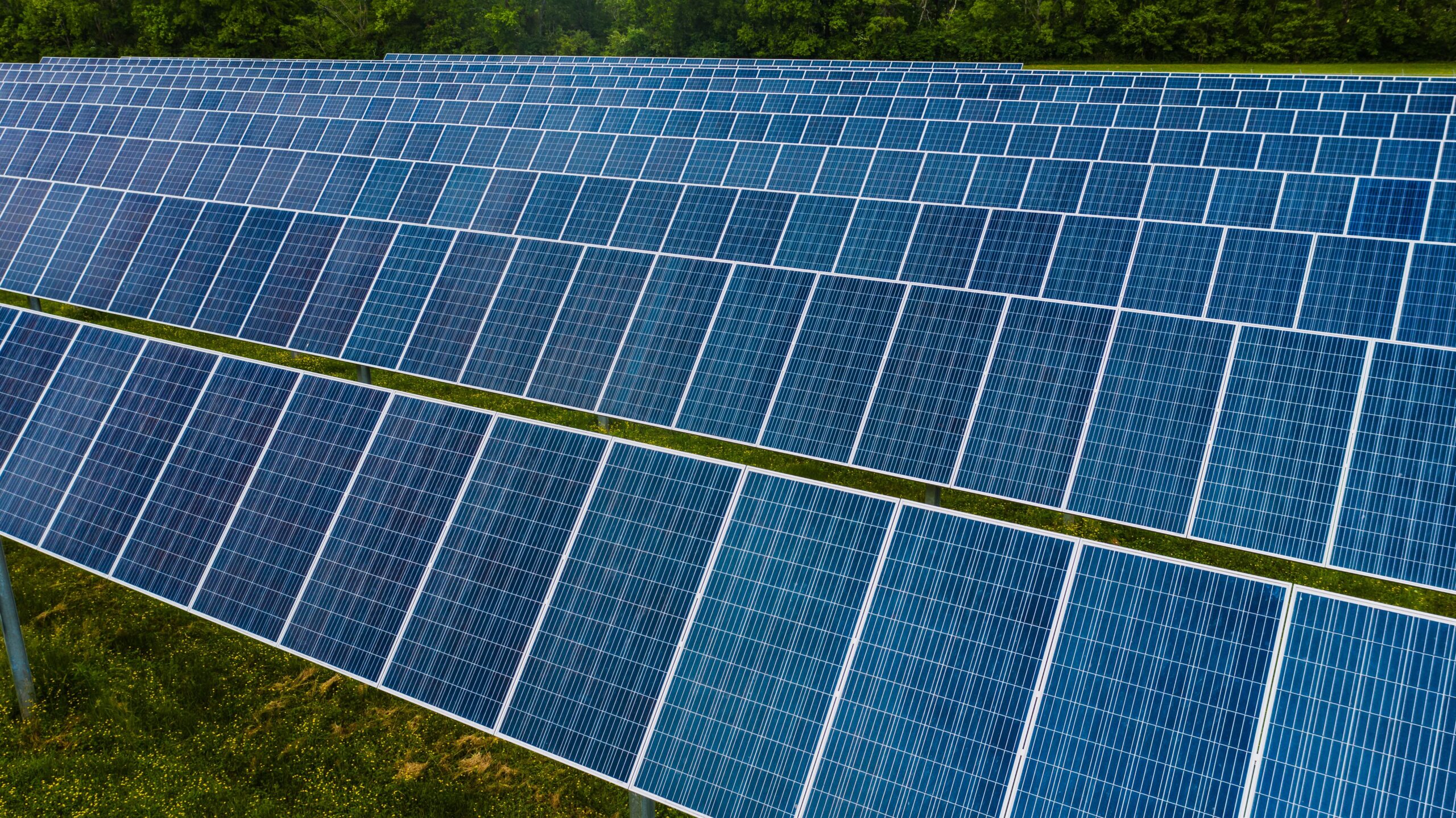
The two customer projects associated with the new infrastructure are Cairn Duhie Wind Farm and the Corshellach battery energy storage system. They are distinct assets with different electrical operating characteristics: the wind development would export generation when sufficient wind energy is available, while the battery can absorb or release stored electricity subject to its design and operating conditions. Both require a suitable point of connection, protection and metering before they can participate in the electricity system. The planning decision concerns the substation enabling that access rather than the commissioning of either customer project.
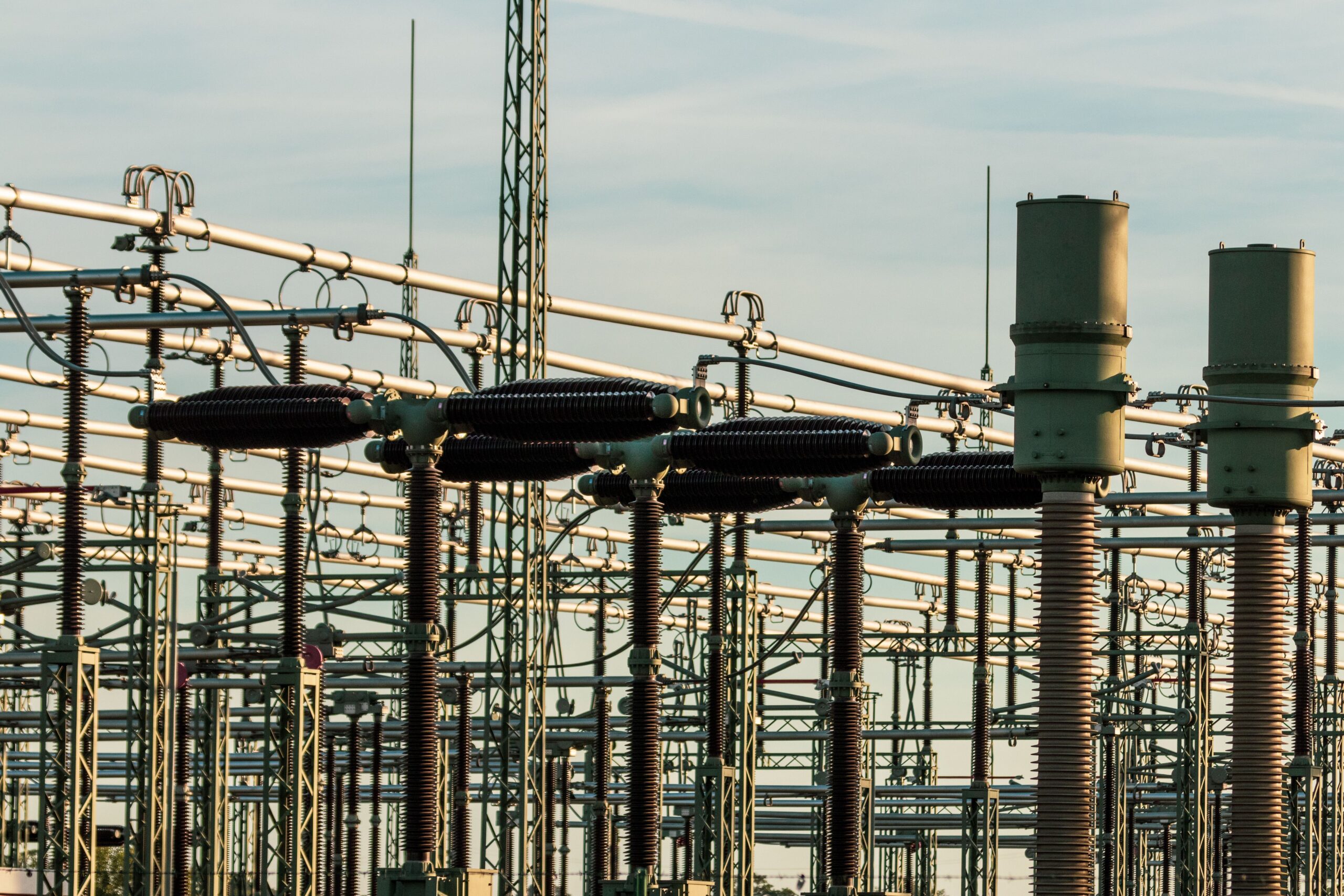
SSEN Transmission’s published project description identifies a new 275/33kV grid transformer rated at 120MVA within a purpose-built compound beside Berryburn. It also provides for associated 33kV metering, a circuit breaker and ancillary equipment. The 275kV and 33kV figures identify the high- and lower-voltage sides of the planned transformer, enabling electricity from connected assets to interface with the regional high-voltage network. The 120MVA rating describes apparent power capacity under specified design conditions; it should not be presented as 120MW of new electricity generation or 120MWh of storage.
At the substation, the transformer will couple the 33kV connection arrangements to the 275kV transmission network. Its 120MVA apparent-power rating provides an engineering limit for electrical loading, which varies with operating power factor and thermal conditions. Circuit breakers and protection equipment will isolate faults, while metering supports measurement of energy flows under the contracted connection arrangements. The equipment needs to be specified for the network’s available fault level and operating conditions before installation, acceptance tests and energisation can take place.
The proposed civil works include site access, a construction compound, material laydown areas, foundations, transformer installation and reinstatement of temporary works. Large grid transformers impose particular requirements on transport routes, lifting arrangements, bunding, clearances and the physical layout of the compound. The project documents also identify inspection and commissioning within the work programme. Moray Council’s consent advances the site development, while the electrical systems still need to pass the tests and approvals required before an operational connection can be established.
New downleads are proposed between an existing overhead-line tower and the new substation. SSEN Transmission’s project documents state that these works require separate consent under section 37 of the Electricity Act. That distinction is significant for delivery: the planning permission for the substation does not, by itself, confirm that every associated overhead-line alteration has secured its own statutory approval. The downleads would create the electrical interface between the line and the substation equipment, subject to the relevant design, protection and consent arrangements.
Siting Corshellach beside Berryburn gives the design a clear interface with existing transmission infrastructure. The proposed downleads from the overhead line will carry electricity between that interface and the new transformer compound, subject to their separate statutory consent and detailed electrical design. Construction must therefore be coordinated across the permitted substation works and the associated overhead-line alterations. Network studies, protection settings and the equipment’s rated performance will govern how the two customer projects can use the connection once it is complete.
A battery’s connection is not identical to that of a wind farm despite their shared need for network access. The battery has a finite energy capacity and can switch between charging and discharging, subject to equipment, control and state-of-charge limitations. Wind output varies with wind conditions and the number and characteristics of turbines in service. The substation has to provide an electrical path and suitable protection for the contracted connection arrangements, but the 6 November approval does not publish independently verified megawatt or megawatt-hour ratings for either Cairn Duhie or Corshellach BESS. Those figures should not be inferred from the grid transformer’s 120MVA rating.
Andy McLaren, lead project manager at SSEN Transmission, described the committee decision as a milestone in connecting renewable generation and storage to the transmission system. The consent followed public consultation activity and the council’s planning assessment. The developer says no objections were lodged by members of the public or consultees before the unanimous committee approval. The immediate outstanding milestones concern the separate overhead-line authorisation, substantive construction works, delivery of the transformer and eventual testing of the new grid interface.
The two projects’ different operating characteristics will influence the connection’s design and control arrangements. Wind generation produces variable output, while a battery can either import power for charging or export it when discharging, subject to its usable energy capacity and controls. That creates changing directions and levels of power flow at the network interface. The transformer, breakers, protection and metering systems will have to accommodate the applicable contracted arrangements within the limits established by network studies and equipment ratings.
SSEN Transmission can now advance the approved 275/33kV compound while the overhead-line works proceed through the separate section 37 route. The next physical steps will be construction of the access and foundations, installation of the 120MVA transformer and associated equipment, and testing before connection. Corshellach is an approved transmission project intended to serve Cairn Duhie wind generation and a battery development; its eventual contribution depends on those electrical works reaching commissioning.