IN Brief:
- The European Commission has approved Spain’s €9bn capacity mechanism under EU State aid rules.
- The 10-year scheme will support available generation, storage, and demand-side resources during scarcity periods.
- The approval strengthens Europe’s wider shift towards capacity frameworks as renewable penetration increases.
The European Commission has approved a €9bn Spanish capacity mechanism under EU State aid rules, giving Spain a 10-year framework for supporting electricity resources that remain available during periods of system stress.
The measure will run from 2026 to 2036 and is designed to maintain security of supply when demand is high, renewable generation is low, or system conditions tighten. It will remunerate capacity capable of contributing to reliability, including generation, storage, and demand-side flexibility.
Capacity mechanisms pay resources for availability rather than only for electricity produced. Spain’s framework is expected to support assets and flexible loads that can respond during scarcity periods, with aid allocated through competitive processes. The Commission has concluded that the measure is necessary, appropriate, and proportionate under EU State aid rules.
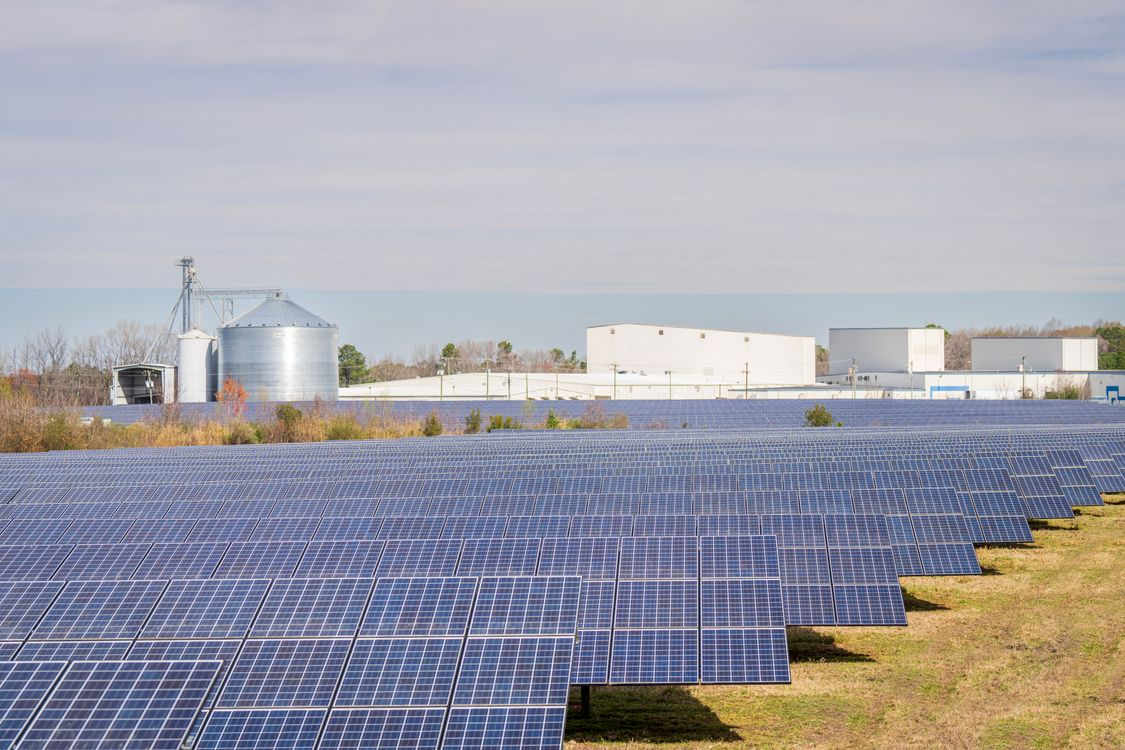
For Spain, the approval provides a clearer route to maintaining reliability while renewable penetration continues to rise. Solar and wind generation already play a major role in the Spanish electricity system, and further deployment is expected over the next decade. That growth increases the need for firm capacity, storage, flexible demand, and market arrangements that can manage longer periods of low renewable output or sudden changes in residual demand.
The mechanism also reflects a broader European recalibration of reliability policy. Energy-only markets reward output, but systems with high renewable penetration increasingly need resources that can remain available across scarcity windows even if they run infrequently. Thermal generation, pumped hydro, battery storage, interconnection, and demand-side response can all provide firm or flexible capacity, although their investment case depends on whether the market recognises the value of availability.
Germany is moving along a parallel route through its planned 11GW reliability procurement framework, which is designed to support dispatchable capacity as coal exits and renewable output rises. Spain’s approval adds weight to the shift towards capacity design as a central part of European power-market architecture rather than a temporary measure at the edge of the system.
The Spanish framework arrives as grid operation becomes more complex across the Iberian market. High solar output can reduce wholesale prices during daylight hours and increase the value of storage or flexible demand that can shift consumption. Longer periods of weak renewable generation still require dependable capacity, which leaves market design carrying the difficult task of supporting reliability without over-rewarding assets that conflict with decarbonisation objectives.
Storage will be closely watched under the scheme. Batteries can provide fast response, peak shifting, ancillary services, and capacity during shorter scarcity events, while pumped hydro and longer-duration storage can support deeper balancing needs. Demand-side resources can also reduce system stress if industrial, commercial, and aggregated loads can be measured, dispatched, and settled reliably.
Auction design, derating factors, penalty arrangements, delivery obligations, and cross-border participation will determine how the mechanism affects investment. A technology-neutral structure can improve competition, but it has to recognise different technical characteristics fairly. A battery, a gas turbine, a demand-response portfolio, and a pumped-storage plant do not provide identical services, even if all can contribute to adequacy under the right conditions.
Capacity payments can support supply security, but they do not replace the physical work of grid reinforcement, interconnection, storage integration, and more responsive demand. The system still needs assets, controls, settlement rules, and market access that can turn contracted availability into reliable operation.