IN Brief:
- Development consent was granted on 30 October for National Grid’s 2GW Suffolk–Kent Sea Link project.
- A predominantly offshore 138km connection will use HVDC conversion infrastructure in both counties.
- Construction is provisionally targeted for early 2027, with completion expected by 2031, subject to detailed delivery planning.
National Grid has received development consent for Sea Link, a proposed 2GW high-voltage electricity connection between Suffolk and Kent. The 30 October 2026 decision clears a major statutory planning stage for a predominantly offshore link involving around 138km of subsea cable, with converter stations and landward connections at either end. The new circuit is intended to provide an additional transmission route between the eastern and south-eastern electricity networks.
The Department for Energy Security and Net Zero granted the Development Consent Order following an examination under the nationally significant infrastructure planning process. National Grid submitted its application on 27 March 2025, the Planning Inspectorate accepted it for examination on 23 April, and the examining authority made its recommendation to ministers on 30 July 2026. The decision establishes the planning framework within which the project can be delivered, subject to the requirements attached to the consent and the subsequent work needed to meet them.
The link is designed to transfer up to 2GW between Suffolk and Kent, increasing the routes available for electricity to move around the transmission system. Its high-voltage direct current circuit will be controlled by converters at either end, allowing the operator to regulate power exchange independently of the phase angle of the surrounding alternating current networks. The stated capacity is the link’s rated transfer capability; dispatch will vary with demand, generation, available network capacity and the operational condition of its equipment.
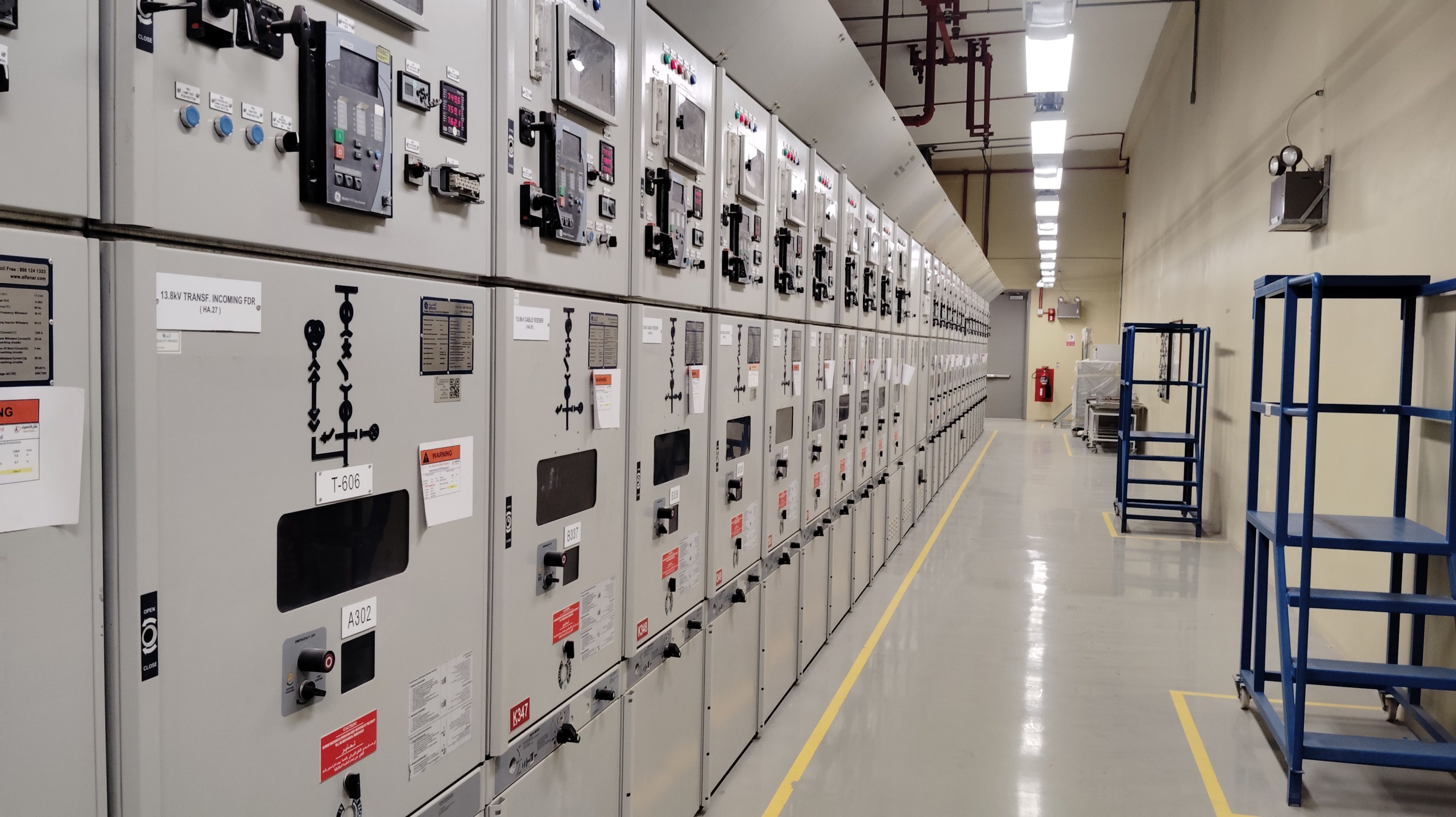
At the Suffolk and Kent ends, converter stations will interface the direct current cable circuit with the alternating current transmission system. Power-electronic converters control the transfer between the two forms of electricity and must coordinate with protections, transformers and the surrounding transmission network. The arrangement makes long-distance undersea transmission feasible without requiring the offshore cable to operate as a conventional alternating current link. Underground alternating current connections will then link the converter infrastructure to relevant substations; the Suffolk proposals include a connection to the planned Friston substation.
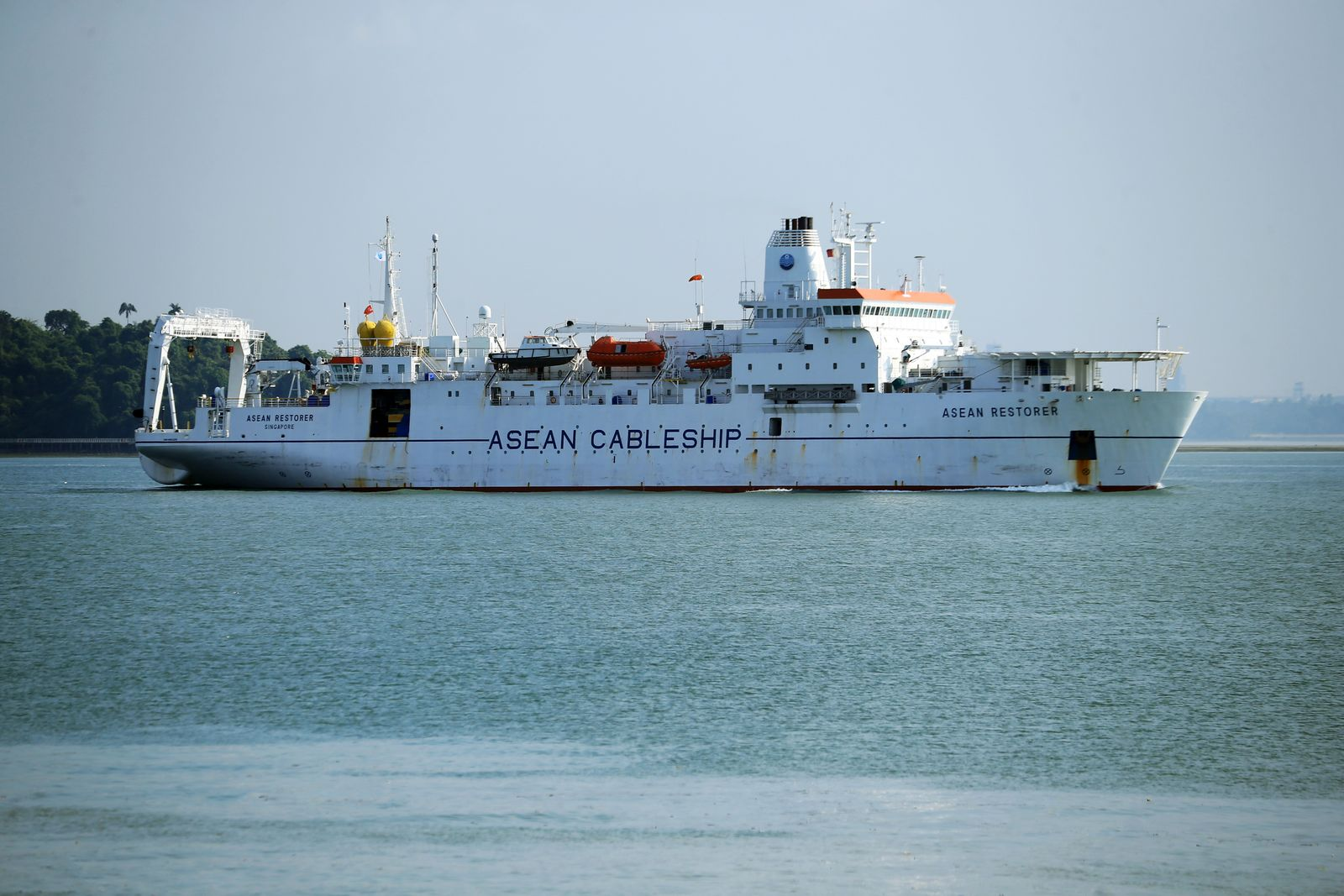
Marine installation will have to be coordinated with the production and transport of the subsea cable. The 138km route includes offshore works, while the landward sections require cable connections and station interfaces capable of meeting the same performance and insulation requirements. Cable protection and routing depend on the conditions encountered along the seabed, and joints and terminations must be tested before energisation. Detailed construction planning will determine the order of civil works, marine operations, electrical installation and final commissioning.
Siemens Energy has been appointed to provide Sea Link’s converter stations. National Grid has also identified the company’s Manchester HVDC software and controls operation, supported by more than £5m of investment, as part of the UK engineering capability behind the project. Converter controls determine how power is transferred and how the link responds to disturbances; their design and commissioning must account for the behaviour of the alternating current networks on either side. Physical station construction, control-system integration and energisation will therefore need to proceed as connected stages.
Sumitomo Electric will manufacture the subsea cable at its new £350m Port of Nigg factory in Scotland, which National Grid says will directly create more than 200 skilled jobs. The facility adds domestic production capacity for high-voltage direct current submarine cables. Manufacture and qualification testing must be coordinated with marine transport, cable-laying operations and the installation sequence, so the offshore cable and converter stations can be commissioned as connected parts of the same system.
The consent also establishes requirements that National Grid must address before work proceeds in particular locations. The developer will work with local authorities in Suffolk and Kent on traffic management, environmental measures and detailed construction arrangements. The government has identified community funds of more than £1m in each county as part of the associated benefits arrangements. National Grid is now reviewing the consent provisions while contractors prepare the delivery programme, including the sequence in which landward facilities and marine works can be built.
Sea Link forms part of National Grid’s Great Grid Upgrade, a group of reinforcements intended to accommodate changing electricity generation and demand. Additional transmission paths can reduce the pressure on existing circuits when power needs to move between regions, although the effect on individual constraints depends on how the whole network is dispatched. The converter stations, onshore connections and offshore circuit will operate as one link: completion of a single component will not independently deliver the project’s 2GW transfer capability.
Construction is expected to begin in early 2027, subject to detailed planning, with completion targeted for 2031. The next steps include discharging consent requirements, preparing work sites and coordinating converter-station construction with cable manufacture and installation. Electrical testing, protection integration and system commissioning will follow before the link becomes an operational route between the Suffolk and Kent transmission networks.