IN Brief:
- BW ESS has acquired two French battery projects totalling 200MW/800MWh from Recurrent Energy.
- Baixas and Coquainvilliers each have a planned 100MW/400MWh rating and advanced transmission grid connection positions.
- Recurrent Energy will complete the remaining development work before BW ESS takes responsibility for construction and operation.
BW ESS has acquired two battery energy storage projects in France from Recurrent Energy, establishing a 200MW/800MWh development portfolio in its seventh national market. The transaction covers Baixas in Pyrénées-Orientales and Coquainvilliers in Calvados, each rated at 100MW/400MWh. Both installations remain in advanced development, with Recurrent Energy responsible for completing the outstanding development activities before BW ESS takes over construction and long-term operation.
Recurrent Energy, a subsidiary of Canadian Solar, originated the projects and secured land rights while progressing permitting, grid connections and local stakeholder engagement. The companies have completed their first transaction together, although the acquisition price and construction budgets have not been disclosed. Neither project has entered commercial operation, and the partners have not established public commissioning dates.
The two locations occupy different parts of the French electricity system. Baixas lies in southern France near the Mediterranean coast, while Coquainvilliers is in Normandy. Both projects have advanced transmission-level connection positions, which Recurrent Energy describes as having limited anticipated network constraints. Those assessments form part of the projects’ development position, while the final connection agreements and operating requirements will determine their available import and export capacity.
Each battery has a nominal four-hour storage duration, calculated from its 400MWh energy rating and 100MW power rating. The power figure determines the maximum rate of charging or discharging under the specified design, while energy capacity describes the stored electricity available over time. Actual discharge duration will depend on the permitted operating range, conversion losses and any energy reserved for other services.
A four-hour battery can move electricity between periods of different supply and demand, subject to its available stored energy. Charging during periods of abundant generation allows electricity to be delivered later, when renewable output may be lower or consumption higher. The commercial return depends on the difference between purchase and sale prices after accounting for energy losses, operating costs and applicable market charges.
The installations may also be configured to provide electricity balancing and other flexibility services. These can require faster changes in active power than conventional energy trading, placing different demands on the inverters and plant controls. Delivering a contracted response depends on sufficient stored energy, available power conversion capacity and the operating conditions imposed by the transmission system operator.
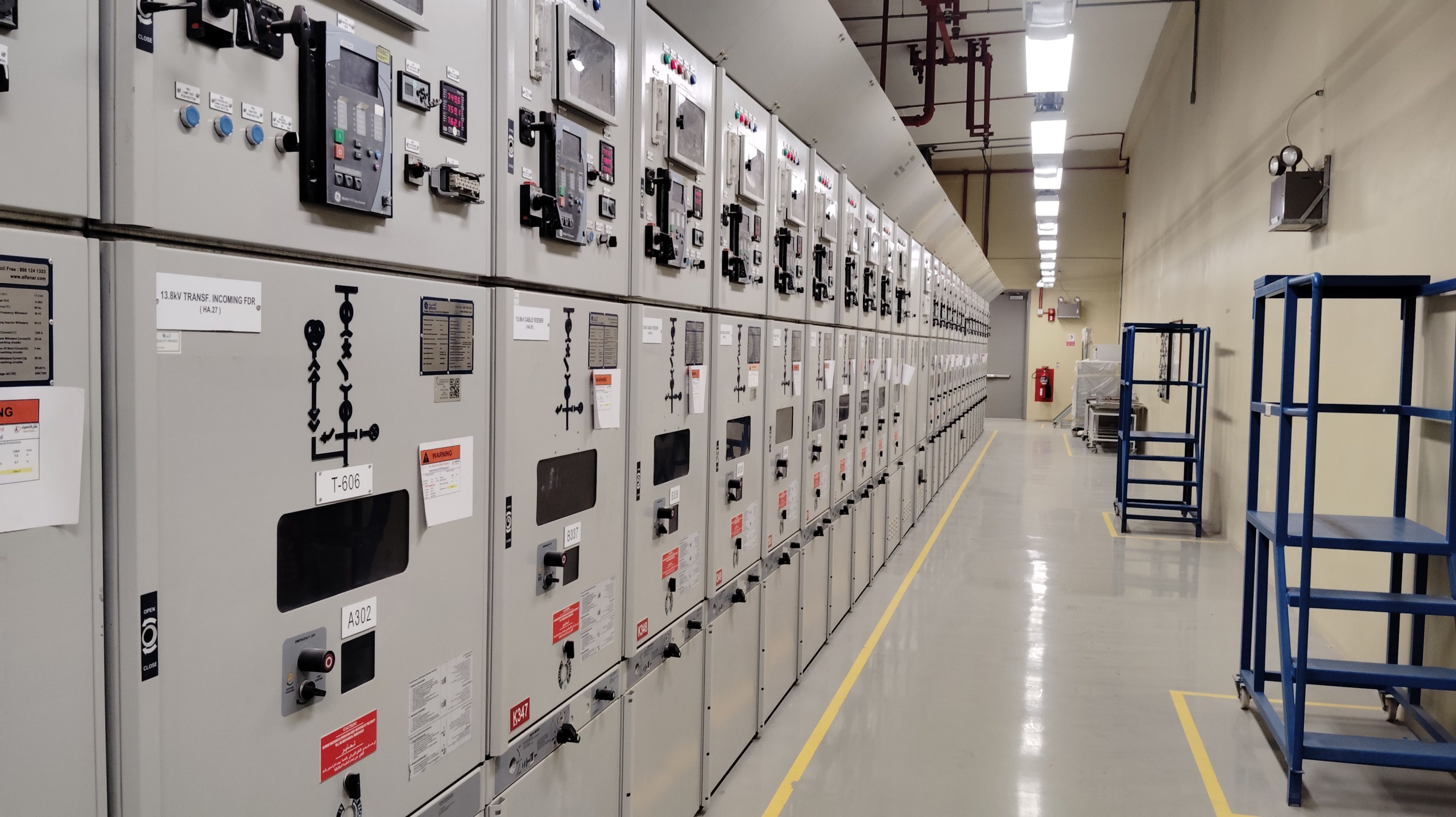
Both projects will require battery management equipment, power conversion systems and high-voltage electrical infrastructure to transfer energy between the storage equipment and the French network. Battery cells operate using direct current, while the transmission system uses alternating current. Inverters control this electrical conversion, with transformers providing the voltage interface required by the connection.
The electrical design must also account for charging, which makes a battery installation a substantial controllable load on the network. During discharge, electricity flows in the opposite direction. Protection systems, metering, switchgear and plant controllers must accommodate both operating conditions without exceeding equipment ratings or the connection’s permitted limits.
Recurrent Energy’s development work will determine the remaining permitting, site and connection requirements before construction can begin. A transmission connection position provides an important basis for project planning, but the detailed engineering still needs to coordinate cable routes, transformer capacity, protection arrangements and the operating characteristics of the power conversion equipment.
Once those requirements have been completed, BW ESS will oversee procurement and installation of the battery systems and supporting infrastructure. Construction will involve civil foundations, equipment delivery, electrical installation, communications and control systems, and the connection facilities needed for network operation. The completed equipment will then undergo testing to establish its performance before being accepted for commercial service.
Commissioning must demonstrate that the installed batteries can charge and discharge within their specified operating limits. Protection testing, control system verification and assessments of the connection interface establish whether equipment responds appropriately to faults and network instructions. The project’s nominal power and energy ratings will need to be reconciled with the operating characteristics demonstrated by the completed installation.
Following commissioning, BW ESS intends to retain the assets and manage their operation over the long term. Battery availability depends on the continued performance of cells, cooling equipment, inverters, transformers and supporting electrical systems. Maintenance and operational planning must also account for changes in battery capacity as the equipment ages.
France’s generation mix includes substantial nuclear capacity alongside hydroelectric, wind and solar generation. Changes in renewable output, electricity demand and the availability of conventional generating stations create different short-term requirements for flexibility. Batteries can respond quickly to changing dispatch instructions, provided their energy inventory and connection capacity remain sufficient for the required service.
BW ESS already operates across several European and international storage markets, including the UK, Germany, Italy, Spain, Sweden and Australia. The French acquisition expands its development and operating activities into a separate electricity market, with the two projects providing a combined prospective 800MWh of storage capacity.
The next delivery stage remains with Recurrent Energy, which will progress Baixas and Coquainvilliers towards construction readiness. BW ESS will subsequently assume responsibility for construction, commissioning and commercial operation. The completion of those activities will determine when the planned 200MW of battery power becomes available to the French electricity system.