IN Brief:
- Scatec has signed $217m of non-recourse financing for Dandara's first construction phase, with an estimated capital cost of $271m.
- Phase one combines 569MWp of solar generation with 100MWh of battery storage, supplying Egypt Aluminium under a 25-year power purchase agreement.
- Scatec is beginning construction, with commercial operation targeted for the first half of 2028 and a second development phase planned.
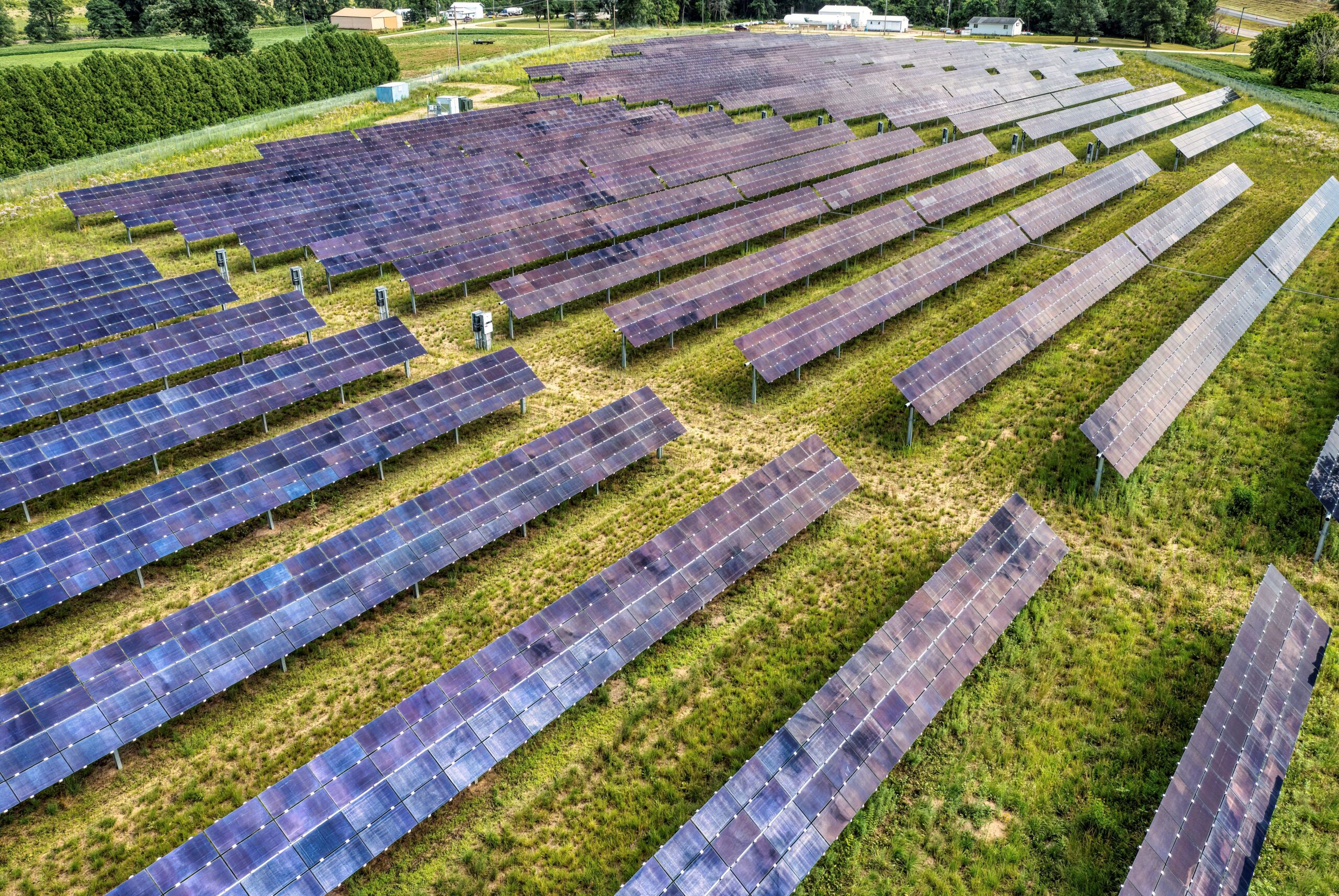
Scatec has signed $217m of non-recourse project financing for the first phase of its Dandara solar and battery development in Egypt, allowing construction to begin in Qena Governorate. The phase comprises a 569MWp photovoltaic plant and 100MWh of battery energy storage, with electricity contracted to aluminium producer Egypt Aluminium under a 25-year power purchase agreement.
The financing is provided by the European Bank for Reconstruction and Development (EBRD), the African Development Bank (AfDB) and the European Investment Bank (EIB). It covers approximately 80% of the first phase’s estimated $271m capital expenditure, establishing the debt arrangements needed to progress construction. Scatec signed the loan agreements on 28 October 2026, following an earlier preliminary financing agreement for the wider development.
Egypt Aluminium, also known as EgyptAlum, will purchase electricity through a long-term contract backed by a sovereign guarantee. The guarantee supports the customer’s payment obligations and forms part of the financing arrangements for a project whose principal revenue will depend on delivering contracted electricity over an extended period.
The Dandara installation is being developed at Nagaa Hammadi in southern Egypt, near the industrial facilities of its electricity customer. Scatec is responsible for engineering, procurement and construction, as well as subsequent asset management and operation and maintenance. The developer estimates that its construction scope represents approximately 80% of the first phase’s capital expenditure.
That construction percentage describes the proportion of the project budget covered by Scatec’s engineering and delivery responsibilities. It is separate from the financing ratio, under which the $217m debt package accounts for approximately 80% of estimated capital expenditure. The two figures relate to different aspects of the project and should not be combined as additional funding.
The EIB is providing a loan of up to $90m through EIB Global, supported by a guarantee from the European Union’s European Fund for Sustainable Development Plus. The EBRD has identified $63m of financing, while the AfDB is participating as a further lender. Individual institutional commitments and previously approved financing ceilings form part of the overall arrangements established for the first phase.
Scatec has also signed a partnership agreement with the National Bank of Egypt, which will take a 20% equity interest in Dandara. Following that arrangement and a separately established EBRD investment platform, Scatec reports an ownership interest of 56% in the project, comprising 36% through the platform and 20% held outside it.
The investment platform concerns equity ownership and is distinct from the new construction debt agreements. Scatec intends to bring further equity investors into the project and arrange equity bridge financing, which would allow part of its capital contribution to be deferred until later in the construction period. The final ownership and financing structure will depend on completion of those further arrangements.
The first construction phase will use photovoltaic equipment with an installed direct-current rating of 569MWp. The peak rating reflects the output of the solar modules under standard test conditions, while the electrical capacity available through the plant’s alternating-current interface is a separate measure. Development bank documentation describes the project as approximately 500MW on an AC basis.
Photovoltaic modules produce direct-current electricity, which must be converted for delivery into the alternating-current transmission system. Inverters regulate that conversion, while transformers raise the voltage to the level required by the network connection. High-voltage switchgear, protection systems and metering equipment are needed to connect the plant safely and account for the electricity delivered.
Plant controllers must coordinate the photovoltaic arrays, power conversion equipment and network interface. Solar output varies with irradiance and module temperature, while the connection has electrical limits that must be maintained during changing conditions. The controllers therefore regulate power flows according to available generation, equipment ratings and the operating requirements established by the network operator.
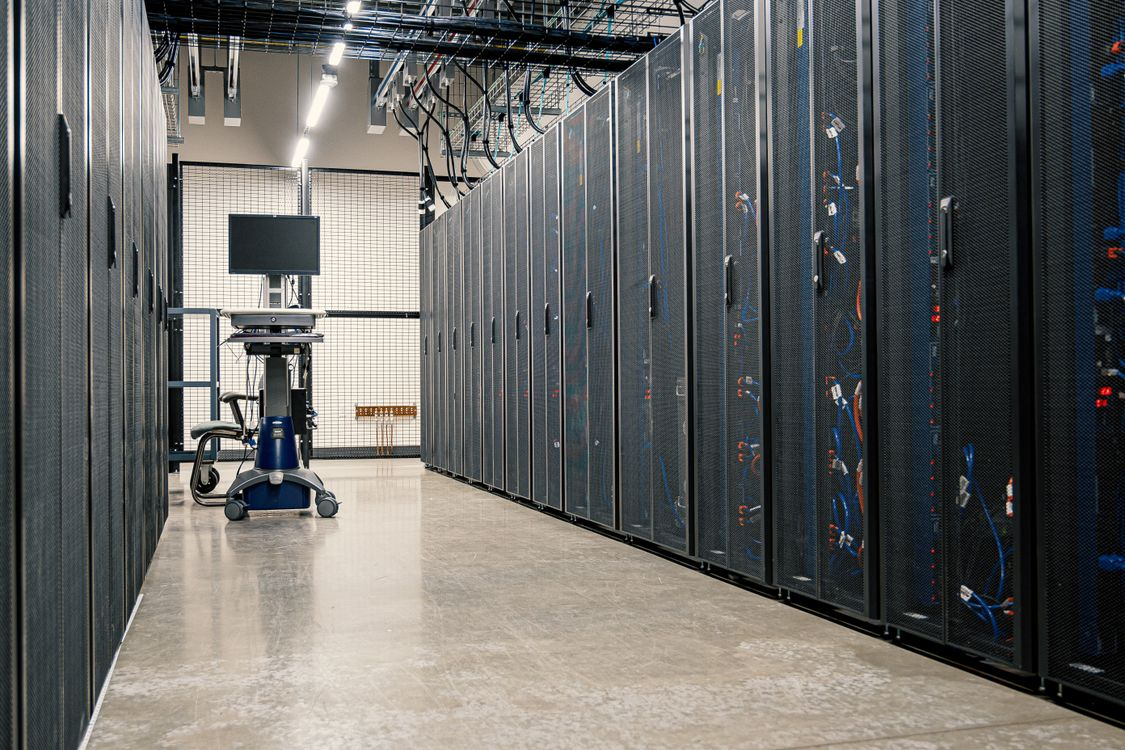
The associated battery installation will provide 100MWh of nominal energy storage capacity. Battery power conversion equipment allows electricity to be absorbed during charging and returned during discharge. The published energy rating does not establish the system’s maximum power output or discharge duration, which depend on its converter configuration and operating limits.
Storage provides a means of retaining part of the photovoltaic production for delivery during a later period. Its operating schedule will depend on solar generation, the contractual electricity supply arrangements and the conditions of the grid connection. Battery management systems must also maintain suitable cell temperatures, voltages and charge levels to protect the equipment during repeated operation.
Egypt Aluminium’s industrial electricity requirements provide the commercial basis for the long-term agreement. Aluminium production is energy intensive, with smelting processes depending on substantial and stable electrical supplies. Electricity from a photovoltaic plant changes throughout the day, so deliveries under the contract must be coordinated with the wider electricity system and the project’s available storage.
The electricity will be supplied through Egypt’s transmission network rather than relying solely on a direct private connection between the solar installation and the aluminium plant. Network transfer arrangements and the customer’s existing electricity supply infrastructure therefore remain part of the wider delivery model. The battery can shift some solar output between periods but cannot by itself make variable photovoltaic production continuous.
Scatec estimates that Dandara will produce approximately 1.4TWh of electricity annually and avoid more than 550,000 tonnes of carbon dioxide emissions each year. These are project forecasts, with actual generation dependent on irradiance, equipment availability, conversion performance and the completed installation’s operating arrangements. The emissions estimate also depends on the electricity sources displaced.
Supplying renewable electricity to Egypt Aluminium is intended to reduce the emissions associated with the manufacturer’s production. The European Union’s Carbon Border Adjustment Mechanism introduces emissions-related requirements for covered imports, including aluminium, creating an additional commercial consideration for producers supplying European customers. The treatment of individual products will depend on the applicable reporting and calculation requirements.
The project will also involve a local training programme in Qena Governorate supported through the EBRD financing arrangements. The programme is intended to provide accredited green and digital skills training to at least 100 participants, with women expected to account for at least one quarter of trainees. Scatec also plans to offer internships to selected programme graduates.
Construction of the power plant will require civil infrastructure, photovoltaic module installation, battery equipment, power conversion systems and high-voltage connection works. Commissioning will establish the performance of the combined electrical installation, including its protection systems, controls and permitted transfer of electricity through the transmission connection.
The first phase is targeted to enter commercial operation during the first half of 2028. Scatec expects construction of the second phase to begin in the first half of 2027, with the wider Dandara development planned to reach approximately 1GW of solar capacity and 200MWh of battery storage. Those additional facilities will require their own delivery and commissioning activities.
Scatec’s signed financing establishes the debt package for the initial construction programme, while its engineering and operating responsibilities extend beyond the plant’s completion. The next milestones are construction progress, completion of the network infrastructure and commissioning of the solar and battery systems needed to begin supplying Egypt Aluminium under the long-term agreement.