IN Brief:
- Simtel will deliver a 20MW/40MWh battery at OMV Petrom's approximately 89MWp Ișalnița solar development.
- The €6.6m EPC package covers design, equipment supply, construction, installation, commissioning, and testing.
- The two-hour battery is intended to shift solar production while supporting a more flexible grid export profile.
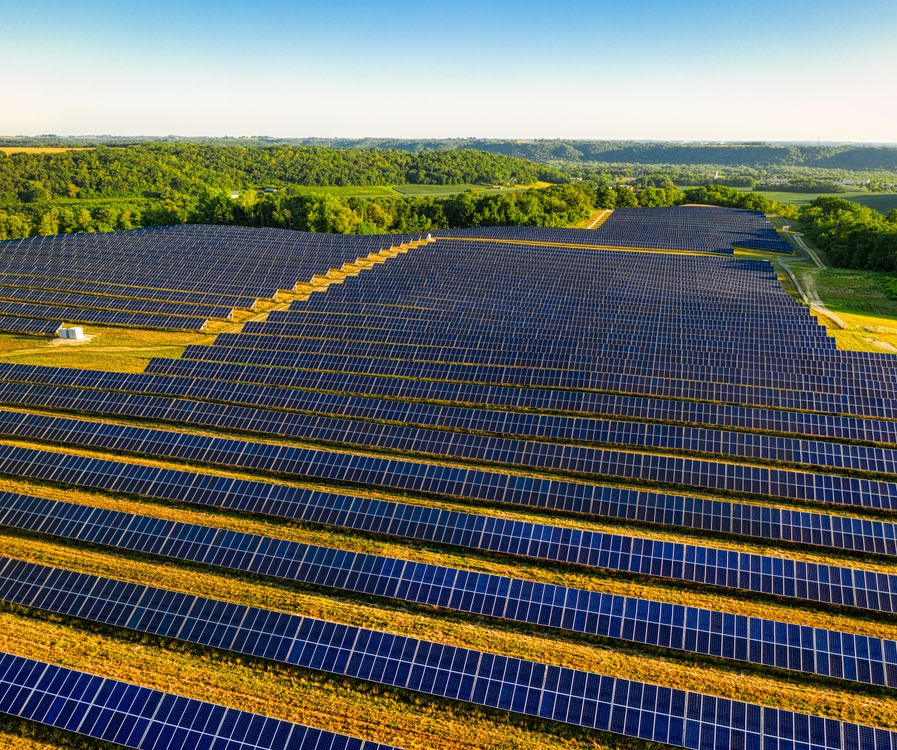
OMV Petrom has awarded Simtel Team an engineering, procurement, and construction contract for a 20MW/40MWh battery energy storage system at the Ișalnița solar park in Dolj County, Romania. Construction is expected to take around seven months, adding a two-hour storage asset to the approximately 89MWp photovoltaic development.
Simtel’s turnkey scope covers design, equipment supply, construction, installation, commissioning, and testing. The EPC contract is valued at €6.6 million excluding VAT, with a separate purchase order covering two years of operation and maintenance after handover.
The battery will store electricity during periods of stronger renewable output and release it later when system demand or market value is higher. OMV Petrom expects the arrangement to increase flexibility around the solar plant while giving the combined asset more control over when its electricity reaches the grid.
Franck Neel, member of the OMV Petrom Executive Board responsible for Gas and Power, said: “Energy storage enables greater flexibility, improves the integration of renewable energy generation and contributes to a more resilient power grid.” The 20MW/40MWh specification provides around two hours of discharge at rated power.
Ișalnița’s photovoltaic plant is expected to generate roughly 130GWh each year. As OMV Petrom’s first large-scale solar project under full ownership, it also provides the company with an opportunity to coordinate renewable generation, storage, forecasting, dispatch, and grid export under one operating structure.
The battery project is separate from KER TOKI’s 147MW/294MWh Ișalnița development, which has different ownership, capacity, and commercial arrangements. The presence of two substantial schemes in the same locality nevertheless underlines the extent to which storage investment is gathering around Romanian grid infrastructure.
For OMV Petrom, the EPC programme extends well beyond placing battery containers beside the solar farm. Power conversion equipment, transformers, switchgear, protection, metering, supervisory controls, communications, thermal management, and fire systems must be incorporated into a common electrical design.
Commissioning will have to demonstrate that the battery can follow dispatch commands while remaining within the solar plant’s overall connection limits. Protection and control settings will need to account for power flowing in both directions as the system alternates between charging and discharging, while plant-level controls will coordinate photovoltaic production with battery state of charge.
The two-hour duration is suited to moving a portion of midday solar production into later periods rather than simply delivering brief frequency-response bursts. Its commercial performance will depend on electricity-price spreads, balancing-market revenues, round-trip efficiency, degradation, and the amount of battery capacity kept available for different services.
Co-location can also improve utilisation of grid infrastructure. Solar generation reaches maximum output only during part of the day, leaving connection capacity underused at other times. A battery can make greater use of that infrastructure by charging or discharging around the generation profile, provided the connection agreement permits the required operating modes.
OMV Petrom is building the project within a broader electricity portfolio that includes the 860MW Brazi gas-fired power plant and more than 1,200MW of renewable capacity under construction with partners. The company is also developing storage elsewhere in the region, including a much larger planned system at Gabare in Bulgaria.
That wider portfolio increases the potential value of operating experience from Ișalnița. Battery control strategy, degradation, maintenance requirements, market dispatch, and interaction with renewable generation are all areas where operating data from a 40MWh asset can inform larger projects.
The seven-month delivery period means detailed engineering and equipment procurement will have to move quickly alongside continuing construction of the solar park. Electrical interfaces between the two assets will be particularly important because changes to the photovoltaic plant’s commissioning programme could affect energisation and testing of the battery.
The project will be judged on how effectively the solar and storage systems operate together after commissioning. A 40MWh battery cannot remove every limitation associated with variable photovoltaic generation, but coordinated control can give OMV Petrom significantly more influence over when part of Ișalnița’s output enters the Romanian electricity system.