IN Brief:
- Ișalnița is planned as a 147MW/294MWh standalone BESS, equivalent to two hours at nominal rated output.
- The establishment authorisation requested by Oltenia Tech Investment Solution has been approved, with completion targeted for the first half of 2027.
- KER TOKI plans to expand the project to 609MWh and is targeting 609–1,200MWh of owned Romanian storage capacity.
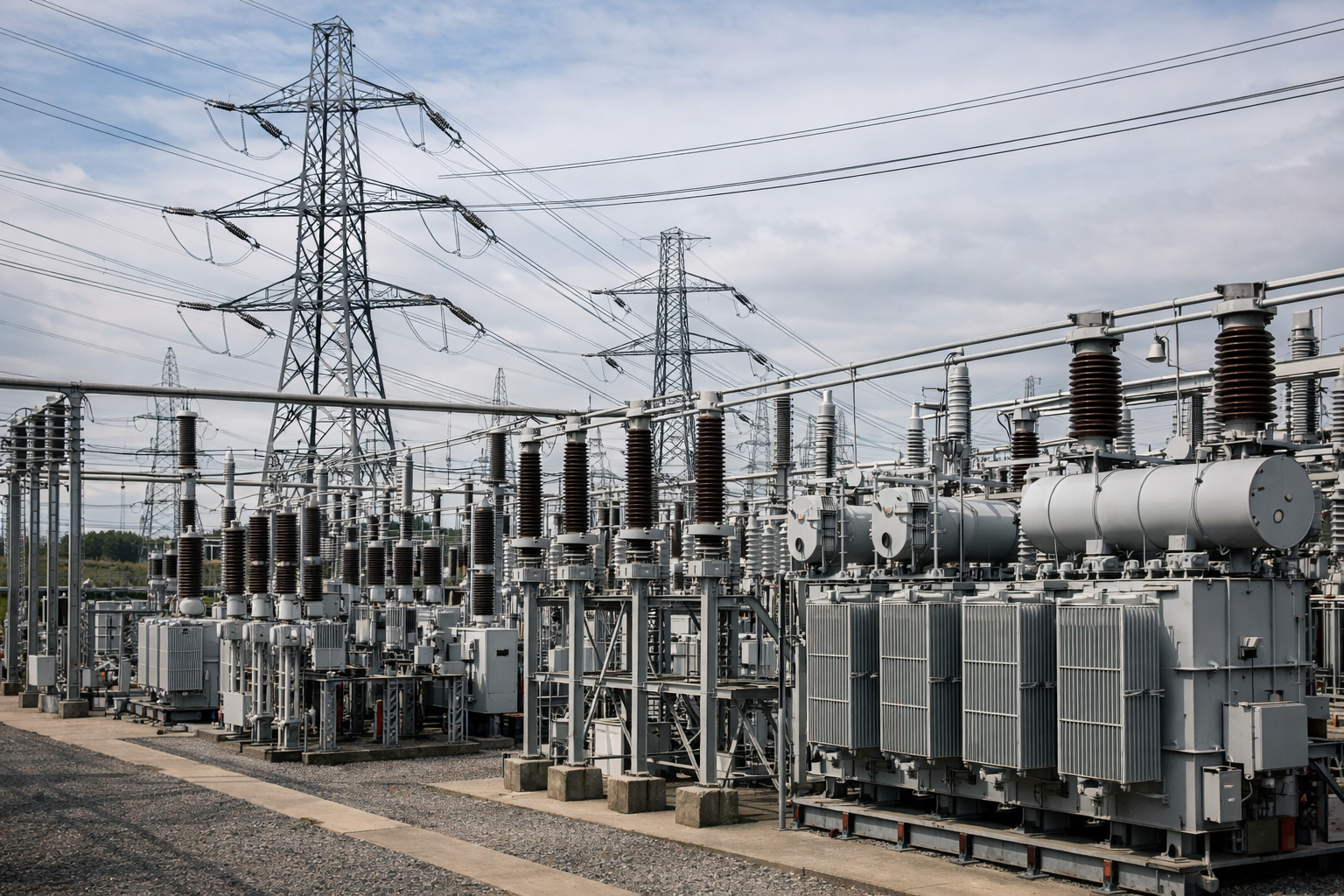
KER TOKI POWER Romania is advancing a 147MW/294MWh standalone battery energy storage system at Ișalnița in Dolj County after the establishment authorisation requested by project company Oltenia Tech Investment Solution was approved.
The initial configuration gives the project a nominal two-hour duration at rated output, with 294MWh of stored energy against 147MW of power. KER TOKI says the site can later be expanded to 609MWh, which would take nominal duration beyond four hours if the power rating remained broadly unchanged.
Completion is scheduled for the first half of 2027, with investment estimated at several tens of millions of euros. The project is KER TOKI’s first greenfield investment in Romania and brings physical storage ownership into a business already active in electricity supply, aggregation, optimisation, and trading.
The regulatory decision relates to the establishment authorisation requested by Oltenia Tech Investment Solution for the Ișalnița electricity storage installation. Separate connection information lists the same project company with approximately 147.38MW in Dolj County, closely matching the announced battery power rating.
The two-hour configuration gives the project enough energy capacity to participate in several markets but requires active management of the available state of charge. A battery dispatched into one price period has less energy available for the next, while charging decisions also affect connection utilisation, losses, and later trading opportunities.
As storage fleets expand, that operating constraint pushes owners towards revenue stacking across wholesale markets, balancing services, reserve products, and other flexibility mechanisms. Each service places different requirements on power availability and state of charge, while battery degradation adds a lifetime cost to repeated cycling.
KER TOKI already operates as an aggregator and optimiser, which gives the company an existing commercial platform for managing those decisions. It says the Ișalnița investment is intended to strengthen its capacity to aggregate and optimise electricity, reduce balancing costs, and monetise flexibility across both its own assets and third-party portfolios.
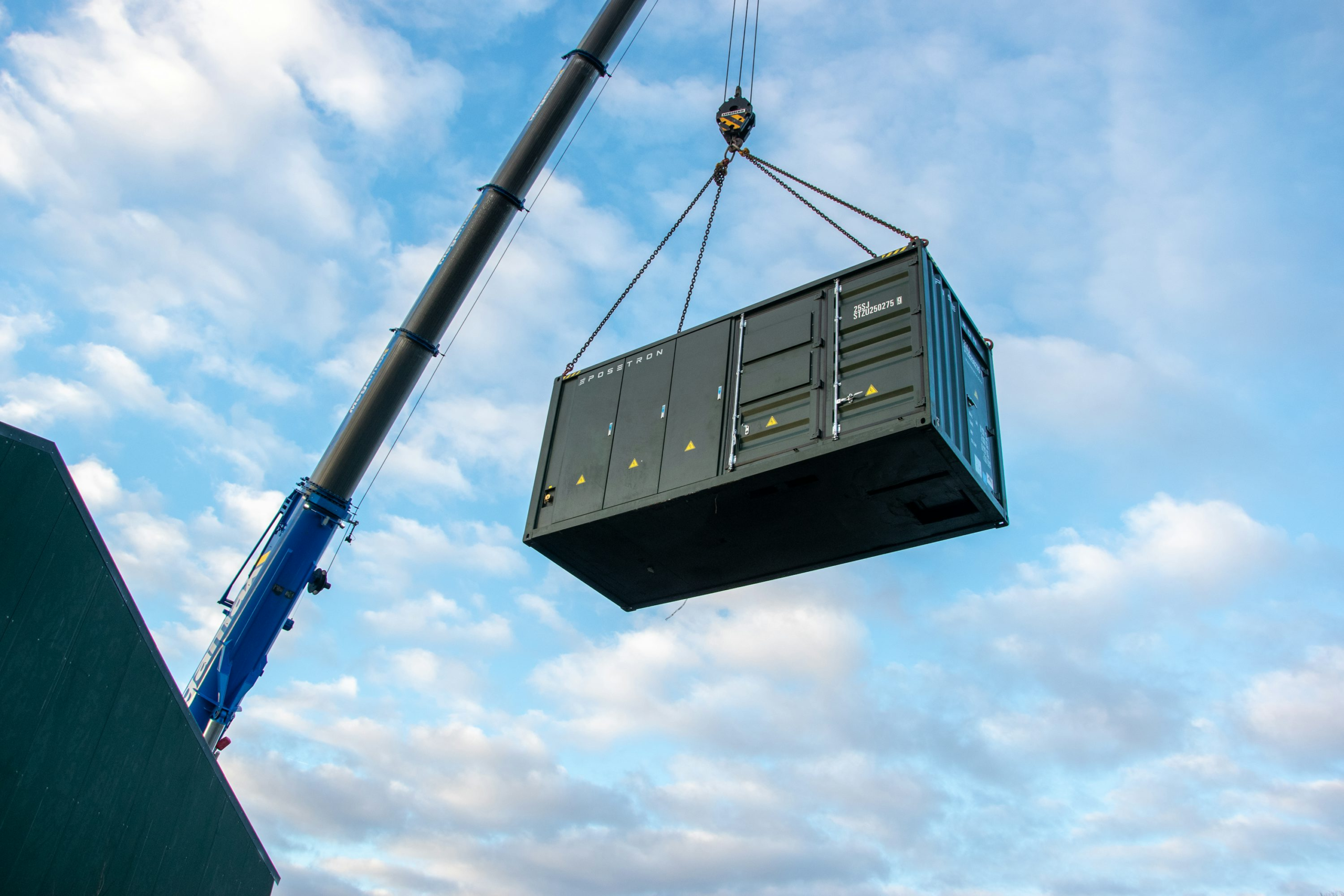
The possible expansion from 294MWh to 609MWh would alter the plant’s operating envelope materially. Additional energy capacity allows a battery to sustain discharge through longer price spreads or system events, but it also increases capital requirements and can require changes to battery containers, thermal management, controls, auxiliary systems, and site layout.
Whether that expansion is justified will depend partly on how Romanian electricity markets value duration. Short-duration batteries can compete strongly in fast-response and balancing products, while longer systems have more scope to shift larger volumes of energy between periods. Greater duration is useful only where market revenues, grid requirements, or contracted services compensate for the additional investment.
KER TOKI’s wider Romanian strategy points towards a considerably larger portfolio. The company has set out plans for between 609MWh and 1,200MWh of owned standalone battery capacity, making Ișalnița the first stage of a broader storage programme rather than an isolated project.
That programme is developing alongside significant reinforcement of Romania’s transmission system. ANRE has approved Transelectrica’s 2026–2035 network development plan, covering 117 investment works, including 25 new projects, upgrades to 400kV infrastructure, greater interconnection capacity, and further grid digitalisation.
Storage and transmission solve different parts of the integration problem. Batteries can shift electricity in time, absorb surplus generation, and respond quickly to changing system conditions, but they cannot replace network capacity needed to move electricity geographically. Transmission reinforcement, interconnection, and storage therefore have to develop together as renewable generation expands.
Ișalnița has moved beyond the earlier approval-stage position and into a defined delivery programme, but the remaining milestones are physical. Construction, connection works, energisation, controls integration, and commissioning must all be completed before the announced megawatts and megawatt-hours become an operational system resource.