IN Brief:
- Ofgem has confirmed a £642.1 million allowance against National Grid’s £702.7 million cost submission, following an earlier minded-to assessment.
- The Suffolk–Essex scheme comprises 18 km of new overhead line, 11 km of underground cable and works at two substations.
- The £60.6 million reduction applies to the requested regulatory allowance; construction and subsequent spending assessments remain outstanding.
Ofgem has approved £642.1 million of regulated expenditure for National Grid Electricity Transmission’s Bramford–Twinstead reinforcement in East Anglia. The decision of 19 October follows scrutiny of National Grid’s £702.7 million submission and reduces the requested allowance by £60.6 million. It confirms the project assessment under the Accelerated Strategic Transmission Investment (ASTI) framework, while subsequent expenditure and any further allowances remain subject to regulatory review. The physical reinforcement and its commissioning are separate stages of the project.
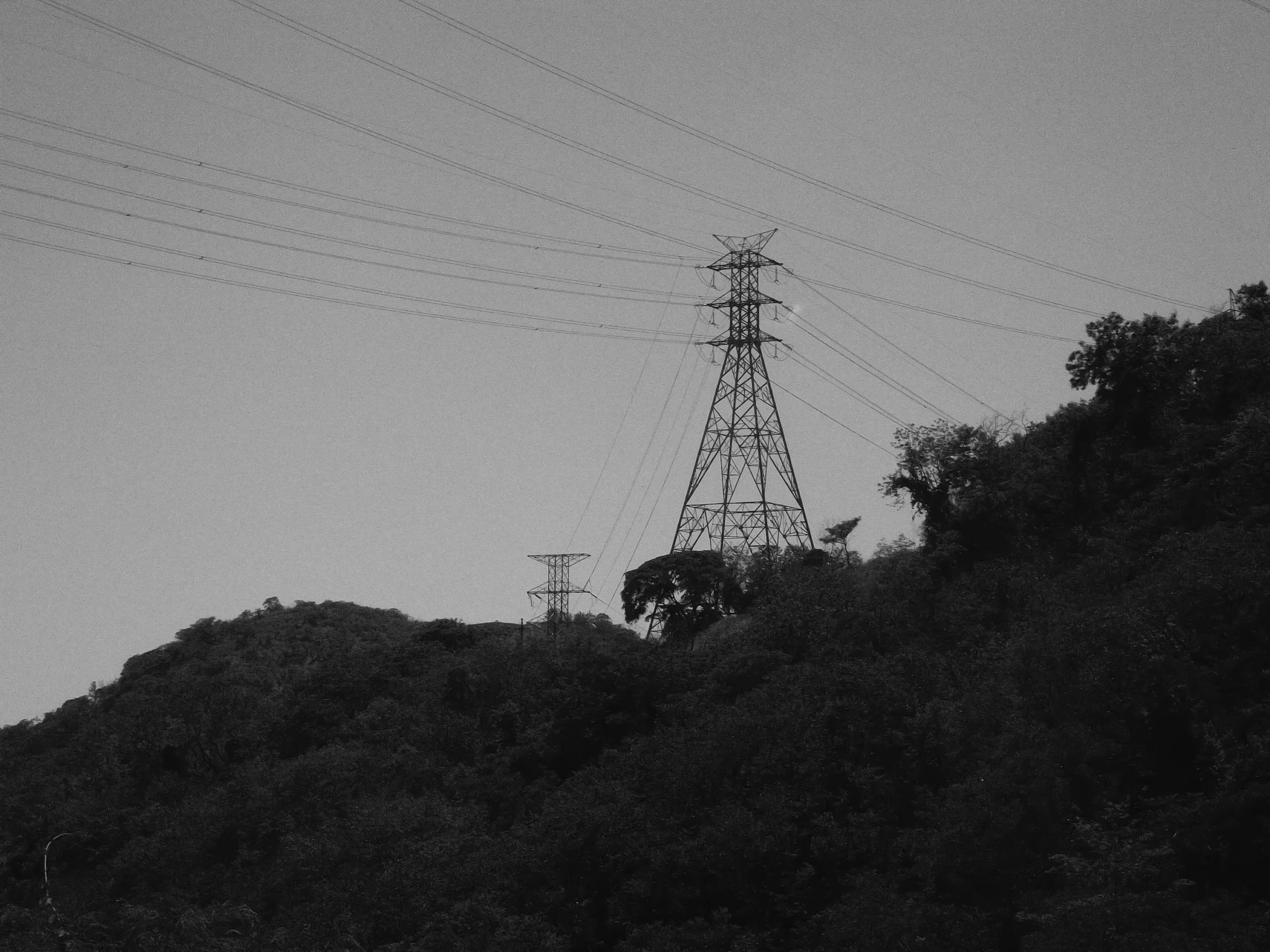
The scheme strengthens transmission between Bramford in Suffolk and Twinstead Tee in Essex. Its principal works comprise approximately 18 km of new overhead line and 11 km of underground cable, alongside a new substation at Twinstead Green and modifications to the existing Bramford substation. The route therefore combines overhead and buried circuits rather than replacing the entire connection with a continuous underground cable. Grid reinforcement is required as new generation connects in East Anglia and electricity flows through corridors that were not designed for the volume and direction of future transfers.
A January 2026 minded-to assessment preceded the final October funding determination. Under the regulated transmission model, National Grid finances work initially, typically through debt and equity, and is permitted to recover efficiently incurred costs through network charges over time. Ofgem’s £60.6 million reduction is measured against the proposed project budget; it is not £60.6 million immediately removed from household bills. The regulator will still assess future funding requests against evidence of necessity and efficient delivery.
The additional transfer capability is intended to relieve a corridor that will carry more electricity as renewable generation and demand connections grow in East Anglia. Where an existing circuit constrains transfers, the system operator may need to curtail generation in one area and obtain replacement energy elsewhere. Those balancing actions can cost money even when adequate power exists across the wider network. Reinforcement can reduce such interventions, although the benefit will depend on future generation patterns, other bottlenecks and the commissioning of connected infrastructure.
Underground cables and overhead conductors introduce different engineering requirements. Overhead line ratings depend on conductor temperature, weather and clearance limits, while buried cable sections require attention to thermal resistivity, installation depth, joint bays and surrounding ground conditions. A transition between technologies also needs engineered terminations and protection arrangements. The reported route lengths describe the planned physical scope; they should not be mistaken for a claim that all new circuits have already been installed or energised.
The Twinstead Green substation provides another major interface. Substations are not simply connection points: they must accommodate switching, isolation, measurement, control and protection of circuits under both normal and fault conditions. Modifications at Bramford must also be integrated with the existing operating network, including protection coordination and any necessary planned outages. The engineering programme consequently involves more than erecting towers and laying cable, because the completed assets must function as a coordinated transmission reinforcement.
ASTI accelerates the assessment of 26 strategic transmission schemes by streamlining regulatory decisions, while retaining cost control and consumer-protection tests. For Bramford–Twinstead, the approved allowance supports the next delivery stages but does not remove procurement scrutiny or future project reporting. A subsequent request for an additional allowance would need its own justification and evidence of efficient cost. Construction expenditure can therefore continue to be assessed after the October project determination.
In its wider RIIO-3 price-control forecast, Ofgem estimates that the overall arrangements could add £108 to an annual household bill by 2031, including around £60 for new electricity infrastructure. The regulator also estimates that this infrastructure investment could avoid £80 of costs compared with a scenario in which the grid is not upgraded. These are figures for the broader price-control package, not Bramford–Twinstead’s individual bill impact. Neither measure is interchangeable with the £60.6 million deducted from National Grid’s project request.
Improving transfer capacity is particularly relevant where offshore and onshore renewable projects are expected to connect during the remainder of the decade. The precise benefit from Bramford–Twinstead will depend on which generation and demand projects materialise, how the reinforced circuit is operated and when associated schemes elsewhere on the network enter service. Transmission capacity is shared system infrastructure, so the value of one corridor can be affected by constraints at substations and lines beyond its endpoints.
With the regulatory allowance now determined, National Grid must complete the overhead and underground circuits and integrate the new and modified substation equipment with the live transmission system. Commissioning will involve testing of protection, control, switching and electrical performance before the strengthened corridor can carry its intended flows. How much constraint expenditure the network ultimately avoids will be assessed against the operating conditions prevailing after energisation, not the approved investment figure alone.