IN Brief:
- The €2.86 million Dainų project replaced switchyard equipment that entered service in 1973.
- Žilinskis ir Co completed the Kartena reconstruction ahead of schedule under a contract valued at approximately €3.23 million excluding VAT.
- Both upgrades are intended to improve reliability, equipment control, and maintenance across regional transmission infrastructure.
Lithuanian transmission system operator Litgrid has completed two 110 kV switchyard reconstructions in the country’s northern and western regions, confirming successive modernisation milestones at Dainų and Kartena substations on 24 and 25 November.
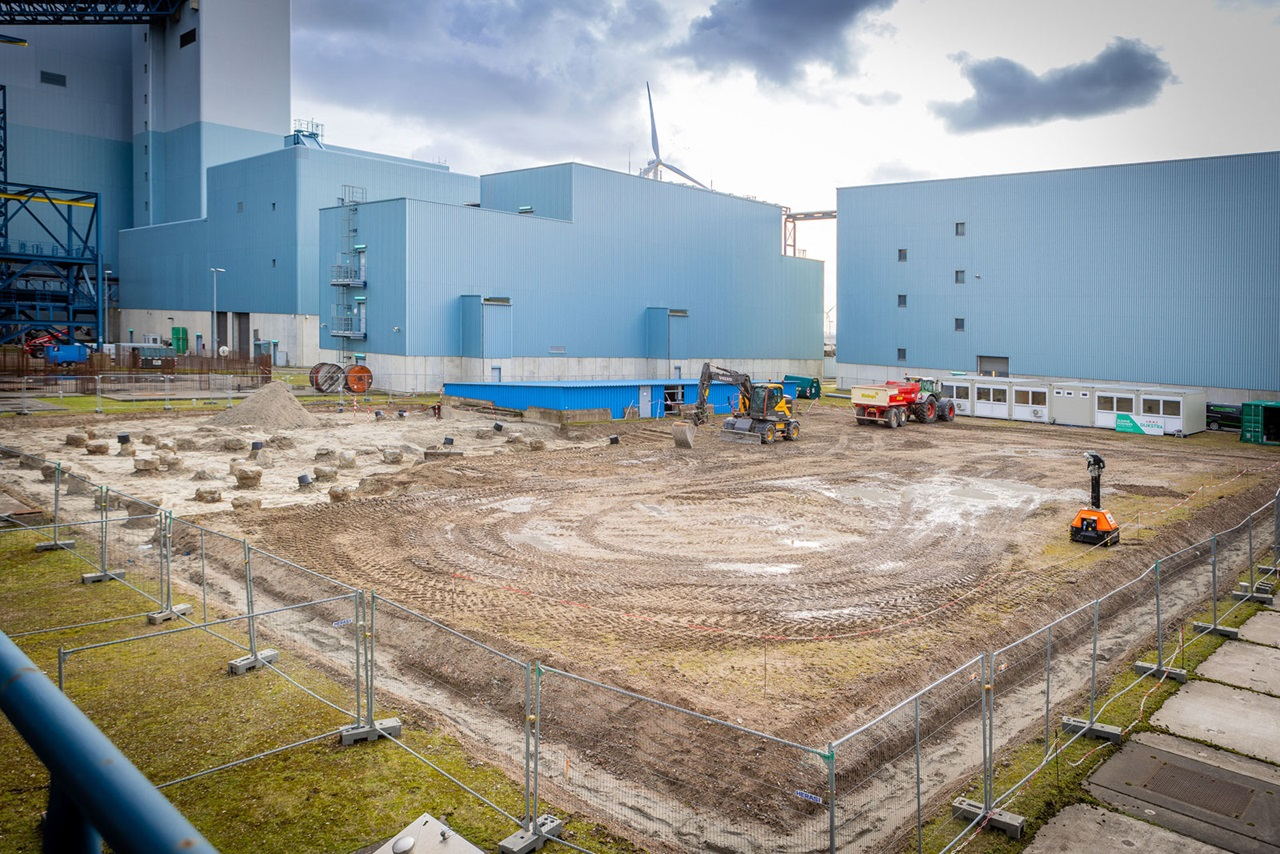
The €2.86 million Dainų development in the Šiauliai region replaces equipment that entered operation in 1973. Contractor Tetas, part of Lithuania’s state-controlled EPSO-G energy group, undertook design and construction under an agreement signed on 31 July 2023.
A separate €3.23 million contract, excluding VAT, covers the Kartena reconstruction in Kretinga district. Žilinskis ir Co delivered the design and construction programme under an agreement signed on 30 April 2024. Litgrid confirmed that completion was achieved ahead of schedule, with replacement equipment expected to improve the reliability of transmission infrastructure serving western Lithuania.
The two projects form part of a wider programme to replace ageing assets and improve control of the 110 kV network. When Tetas was appointed to reconstruct Dainų and the Berčiūnai substation near Panevėžys, its announced scope included replacement of primary 110 kV equipment and supporting structures, new control and communications equipment, and an increase in the number of connections capable of being operated remotely.
The Berčiūnai reconstruction was completed in June 2026 through a €2.8 million contract. That installation also received a revised substation configuration and modernised control and communications infrastructure. Together with the latest completions, the work shows how several regional substations are progressing through separate engineering contracts rather than relying on a single network construction programme.
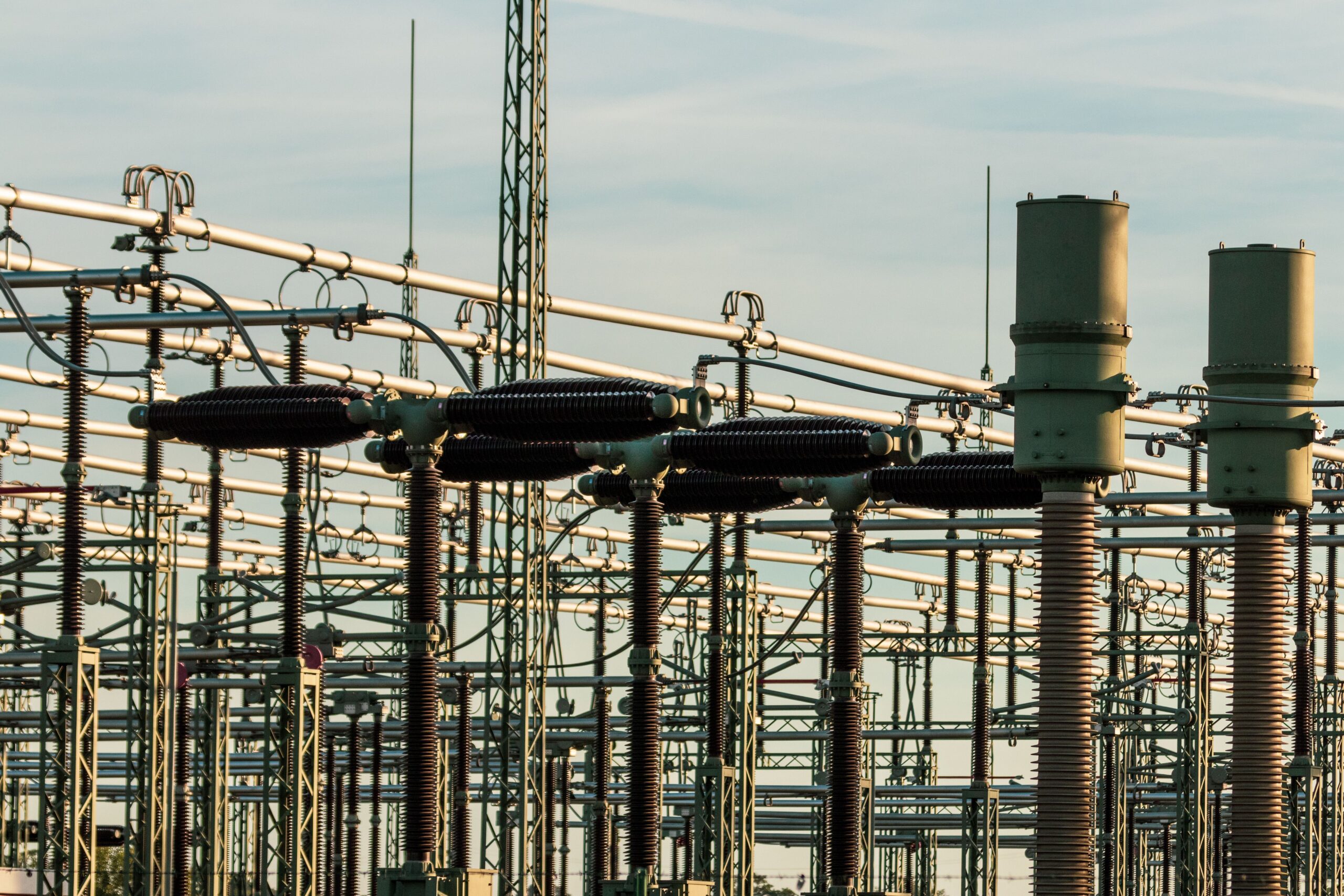
Switchyard equipment connects, disconnects, and isolates transmission circuits. Circuit breakers interrupt current during normal switching and faults, while disconnectors provide isolation for equipment taken out of service. Protection relays monitor electrical conditions and initiate breaker operation when detected faults meet specified criteria.
Replacing primary equipment and its control infrastructure can improve the reliability of these functions, particularly where the existing assets have been operating for several decades. The reliability of a complete switchyard depends on both individual equipment condition and the coordination of its electrical protection, auxiliary supplies, communications, and operating procedures.
Remote control enables network operators to change the operating state of equipment without requiring every switching operation to be undertaken locally. It also depends on reliable communications, accurate indications of equipment status, and interlocking arrangements that prevent incompatible switching operations. Tetas’s earlier scope identified remote operation as an objective, although Litgrid has not disclosed the final number of remotely controlled connections at Dainų.
Reconstructing an existing substation can be more complex than installing comparable equipment on a new site because the network around it remains in operation. Replacement activities must be coordinated with the availability of alternative supply routes and agreed outage arrangements. Before new equipment enters service, its primary connections, control circuits, protection functions, and communications interfaces must be checked against the intended operating configuration.
Lithuania’s transmission modernisation also follows the Baltic electricity systems’ synchronisation with continental Europe in February 2025. Lithuania, Latvia, and Estonia ended their previous participation in the Russian-controlled synchronous system, establishing operation alongside the continental European frequency area. Reliable regional transmission assets remain necessary to transfer electricity between domestic generation, cross-border connections, and distribution networks under the new arrangements.
The increase in connected renewable generation and electricity storage introduces further demands on regional infrastructure. Lithium-ion batteries, for example, can alternate between importing and exporting power through a single connection, while photovoltaic and wind generation can change the direction and magnitude of power flows across established circuits. Protection and control equipment must account for the range of operating conditions encountered on the surrounding network.
Litgrid is continuing to procure replacement switchyard infrastructure at other sites. In October, Tetas confirmed an €8.97 million agreement to reconstruct the 110 kV switchyard at the Mažeikiai power plant substation, which supports electricity supplies to the ORLEN Lietuva industrial complex and transfers power to the national transmission system. Construction is planned to begin in the third quarter of 2027 and conclude in 2030.
The programme demonstrates the different scales of investment required across existing 110 kV assets. The Dainų and Kartena projects replace ageing regional equipment, while larger industrial connections can involve substantially greater construction expenditure and longer delivery periods. Litgrid expects both completed switchyards to reduce operating costs and support more reliable control of their respective regions; the realised maintenance savings have not yet been quantified.