
IN Brief:
- Greenfield and RPC have secured planning permission for the 99.9MW Ironbridge BESS in Shropshire.
- The project will connect through the former Ironbridge Power Station substation.
- The partners’ combined consented UK BESS capacity will reach more than 452MW after construction.
Greenfield and Renewable Power Capital have secured planning permission for the 99.9MW Ironbridge battery energy storage system in Shropshire.
The project will connect to the distribution network through the former Ironbridge Power Station substation, around 1.2km from the site. The power station was fully switched off in 2015, with demolition beginning in 2017 after Power Station B was decommissioned. The BESS project will reuse that legacy grid context to support flexibility and network efficiency.
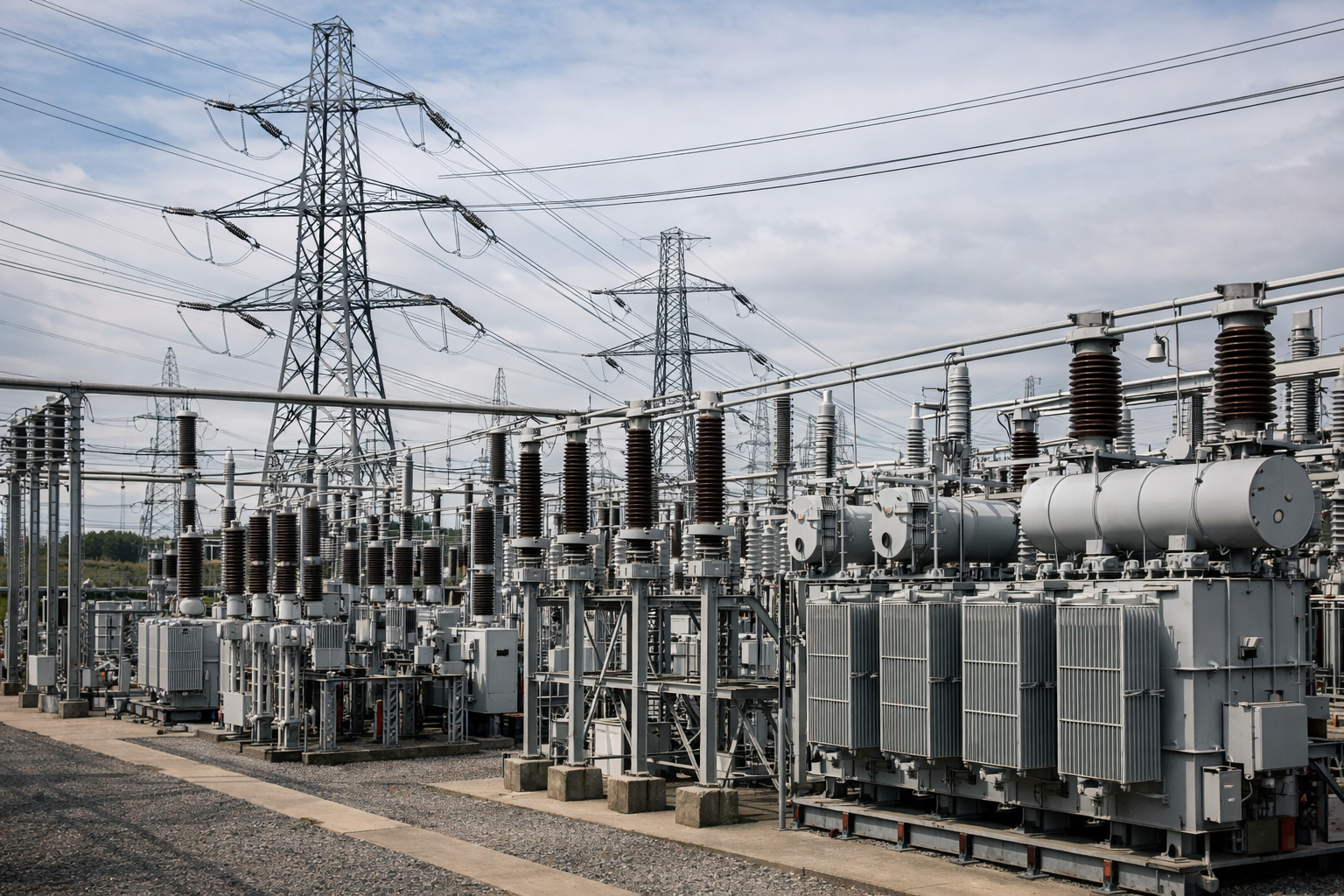
The planned development includes battery container units, transformers, inverters, a 132kV substation, 33kV customer switchgear, and associated infrastructure. Greenfield and RPC expect the project to support grid stability by storing electricity and releasing it in response to supply and demand conditions.
The partners have already secured a series of UK BESS projects, including Cardiff, Tredington, Steventon, Canalside, Sacketts Hill, Sudmeadow, and Coventry. Once the Ironbridge project is built, their combined consented capacity will exceed 452MW.
The project also includes biodiversity measures. After development, Greenfield expects the site to deliver an 18.79% increase in habitat units, an 18.51% increase in hedgerow units, and a 20.4% improvement in watercourse units. Shropshire Council granted planning permission after considering environmental and technical factors.
The Ironbridge consent reflects a wider shift in UK storage development. Former generation sites and grid-adjacent locations are becoming increasingly valuable because they can offer clearer routes to connection than greenfield sites with no electrical infrastructure nearby. As connection queues remain pressured, the ability to align storage with existing substations and distribution assets can reduce delivery risk.
Distribution-connected storage occupies a different role from very large transmission-connected BESS. A 99.9MW battery can support local and regional balancing, absorb surplus generation, participate in flexibility and wholesale markets, and help manage network constraints. The value depends on connection terms, dispatch capability, control systems, and market access.
Planning expectations for BESS projects have also become more detailed. Fire safety, emergency response, noise, biodiversity, traffic, cybersecurity, electromagnetic fields, and land use all feature heavily in local authority scrutiny, with recent BESS planning guidance coverage showing how those issues now sit alongside electrical design and grid connection.
The reuse of the former Ironbridge Power Station substation carries both technical and symbolic weight. The UK has many sites originally built around coal and thermal generation, with grid infrastructure located close to historic power production. As generation patterns change, those sites can become useful connection points for storage, renewables, synchronous compensation, and other grid-support technologies.
The 132kV and 33kV elements show the project’s electrical complexity. Battery containers are one part of a complete storage system, alongside inverters, transformers, switchgear, protection, communications, control systems, auxiliary loads, fire systems, and grid-code compliance. Planning consent allows those engineering and procurement stages to move into sharper focus.
Battery storage planning has become more contested as projects have scaled. Local authorities are increasingly scrutinising fire safety, drainage, ecological mitigation, access, visual impact, and emergency planning. Developers that can demonstrate technical competence and environmental gains are better placed to move projects through the process, particularly where grid infrastructure already exists nearby.
The UK’s reformed connection process is also changing the development environment. Under the new Gate 2 approach, projects are being assessed more strongly around readiness and strategic alignment, which will favour storage schemes able to show credible planning, land, technical, and connection progress. Ironbridge’s consent places it in a stronger position within that more disciplined queue environment.
Ironbridge therefore shows how storage development is converging with legacy electricity infrastructure, biodiversity requirements, distribution-network flexibility, and tighter connection discipline. That combination is likely to define the strongest UK BESS projects through the second half of the decade.

