IN Brief:
- Intelligent Energy has joined the Hydrogen in Aviation Alliance.
- The company is developing a 300kW modular fuel cell system for next-generation aircraft.
- Its Northamptonshire megawatt-scale test centre is already testing aerospace fuel cell systems.
Intelligent Energy has joined the Hydrogen in Aviation Alliance as it develops hydrogen fuel cell systems for next-generation aircraft and airport operations.
The alliance brings together companies across the aviation sector, including Airbus, Bristol Airport, easyJet, GKN Aerospace, and Rolls-Royce. Its work is focused on the technology, infrastructure, and regulation needed to support commercial hydrogen flight.
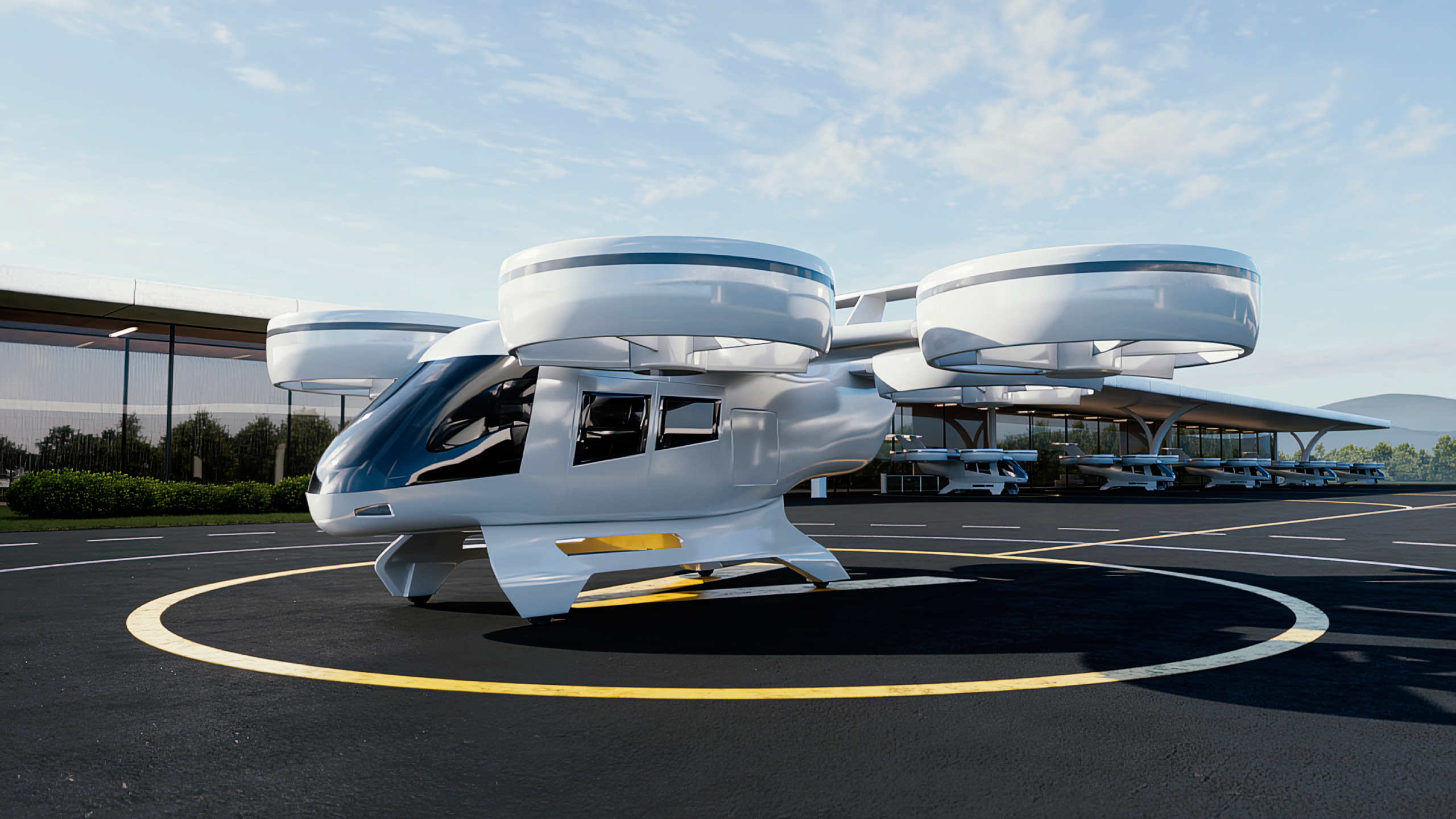
Intelligent Energy is developing a 300kW modular fuel cell system that can be packaged into high-power, megawatt-class systems for regional aircraft. Target applications include eVTOLs, business jets, and aircraft with up to 100 seats.
The company has more than a decade of aviation experience, including work with Boeing on the world’s first manned fuel cell flight in 2008. Its current aviation programme focuses on lightweight fuel cell systems, rapid response to changing flight loads, and cooling technology designed to reduce system size.
Thermal management remains one of the central engineering constraints in hydrogen-electric aviation. Fuel cells can provide zero-emission operation at point of use, but aircraft applications place strict limits on weight, volume, response time, redundancy, and cooling architecture. A propulsion or auxiliary power system has to meet aviation performance requirements while fitting within aircraft mass and certification limits.
To support development, Intelligent Energy has built a 1MW test centre at an 85MW wind and solar park in Northamptonshire. Renewable electricity from the site is converted into green hydrogen and used directly to test the company’s fuel cell systems. The facility is already testing aerospace systems and is intended to accelerate development toward higher-power applications.
Hydrogen aviation also depends on ground infrastructure. Intelligent Energy’s fuel cells can be used in airport operations, including tow tractors, back-up power, and other ground support equipment. Those applications provide an earlier route for deployment, with defined duty cycles, centralised refuelling potential, and clear pressure to reduce airside emissions.
Ground support operations can also generate practical data before hydrogen-powered passenger aircraft enter wider service. Fuel cell tow tractors, support vehicles, and back-up power systems can test reliability, refuelling logistics, maintenance requirements, safety procedures, and integration with airport energy systems.
Hydrogen flight requires coordination well beyond propulsion technology. Aircraft systems, hydrogen production, storage, refuelling, airport operations, safety regulation, certification, maintenance, and training all have to develop together. A fuel cell stack may provide the core electrochemical system, but the supporting infrastructure determines whether the technology can move beyond demonstration.
The same infrastructure pressure is visible across wider industrial electrification. At Hannover Messe, power systems took centre stage as hydrogen, EV charging, industrial AI, digital factories, and electrified production all placed greater demand on resilient energy infrastructure. Hydrogen aviation belongs to the same convergence of power, transport, digital control, and new fuel systems.
The UK has positioned hydrogen aviation as a potential industrial opportunity. Government analysis has pointed to job creation potential by 2050, while sector research has identified substantial economic value if the UK moves early in hydrogen aircraft technology, manufacturing, and infrastructure.
Intelligent Energy’s role in the alliance adds fuel cell manufacturing and systems development capability to that coordination effort. The immediate engineering work remains focused on power density, cooling, testing, and packaging. The larger task is to align those systems with the airport infrastructure, standards, and certification pathways needed for hydrogen flight to move into service.