IN Brief:
- Instavolt has added battery storage to five further EV charging sites, taking its BESS-backed estate to eight locations.
- The systems store off-peak electricity and support high-power charging during periods of higher demand.
- Site-level storage is becoming a practical design option for rapid charging projects facing grid capacity limits.
Instavolt has added battery energy storage systems to five more EV charging locations, extending its use of site-level storage to support rapid and ultra-rapid charging where grid capacity remains a limiting factor.
The latest installations take the company’s BESS-backed estate to eight charging sites. A further 20 battery-backed locations are planned this year, with at least eight more scheduled for 2027.
The systems store electricity during off-peak periods and release it when charging demand is higher. That arrangement reduces the immediate pressure placed on local grid connections, while allowing sites to support greater charger utilisation during busier periods.
At Corley Services, battery storage has been deployed to support chargers at both northbound and southbound locations. Following installation, energy delivered per session increased, with Instavolt recording improvements of 22% and 33% across the two sites.
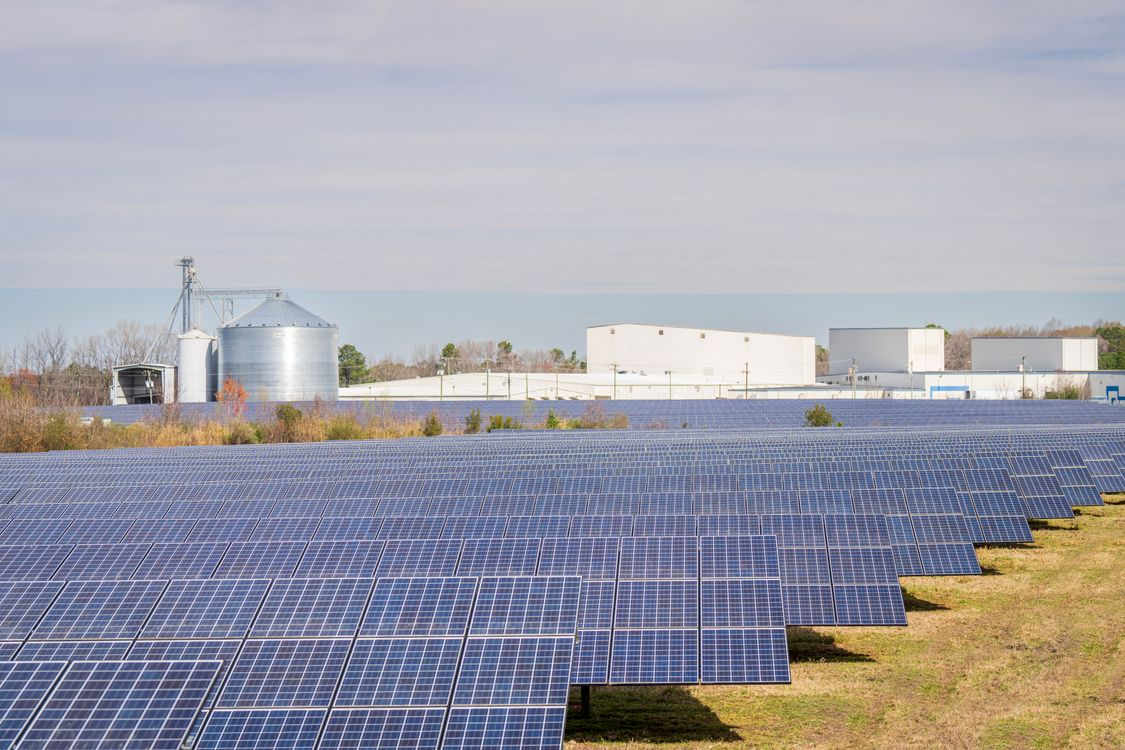
The company’s Winchester hub, opened in March, combines battery storage with on-site solar generation. During the period reported, the site bought most of its energy during off-peak windows and sold most charging output during peak demand periods, while solar panels generated 42,000kWh.
Battery-backed charging is becoming more prominent as operators move beyond charger installation alone and into whole-site electrical design. For many locations, the limiting factor is not the availability of charger hardware, but the cost, timing, and capacity of grid reinforcement. Batteries can help smooth import requirements, reduce peak demand pressure, and support higher charging output than the grid connection could otherwise sustain continuously.
Motorway services, retail parks, fleet depots, and destination charging sites are well suited to the model where demand peaks are predictable and grid capacity is difficult or expensive to increase quickly. A battery system does not replace the need for adequate network infrastructure, although it can alter the commercial case for sites waiting on reinforcement or operating under constrained connection agreements.
Retail and destination charging networks are already moving towards higher-power installations, with B&Q and RAW Charging’s ultra-rapid EV charging rollout showing how established commercial sites are being adapted for higher electrical loads. As more of those locations move from standard charging towards ultra-rapid provision, load management, storage integration, protection design, and connection capacity become central parts of project delivery.
The grant environment is also tightening. The approaching deadline for the OZEV EV infrastructure grant has placed added focus on installation scheduling, commissioning, and eligibility, with qualifying work required to be completed by 31 March 2026. Against that backdrop, site owners are increasingly having to consider whether storage, solar generation, dynamic load management, or phased charger deployment offers the most practical route to capacity.
BESS can also support charge point operators beyond peak shaving. Storage can reduce exposure to high wholesale prices, improve the utilisation of constrained connections, and create the technical basis for future flexibility participation where market rules and site operation allow. Those opportunities depend on control strategy, metering design, network requirements, and the way each site is operated across daily and seasonal demand patterns.
Design quality remains critical. Battery sizing must account for charger output, expected utilisation, connection limits, tariff structures, degradation, fire safety requirements, ventilation, space constraints, and maintenance access. A poorly sized system may add cost without meaningful operational benefit, while an undersized system may provide limited support during sustained periods of high demand.
Instavolt’s expanded rollout shows battery-backed EV charging moving from isolated deployment towards a repeatable infrastructure model. The approach will not fit every location, but where grid capacity is constrained and charging demand is rising, storage is becoming part of the electrical architecture rather than a later addition.