IN Brief:
- B&Q and RAW Charging are rolling out ultra-rapid EV charging hubs across B&Q stores in England and Wales.
- The programme is backed by an £11m investment and includes high-power DC charging, longer dwell-time options, and spacious bays.
- RAW Charging will deliver grid upgrades and high-voltage connections where required to support site capacity and future demand.
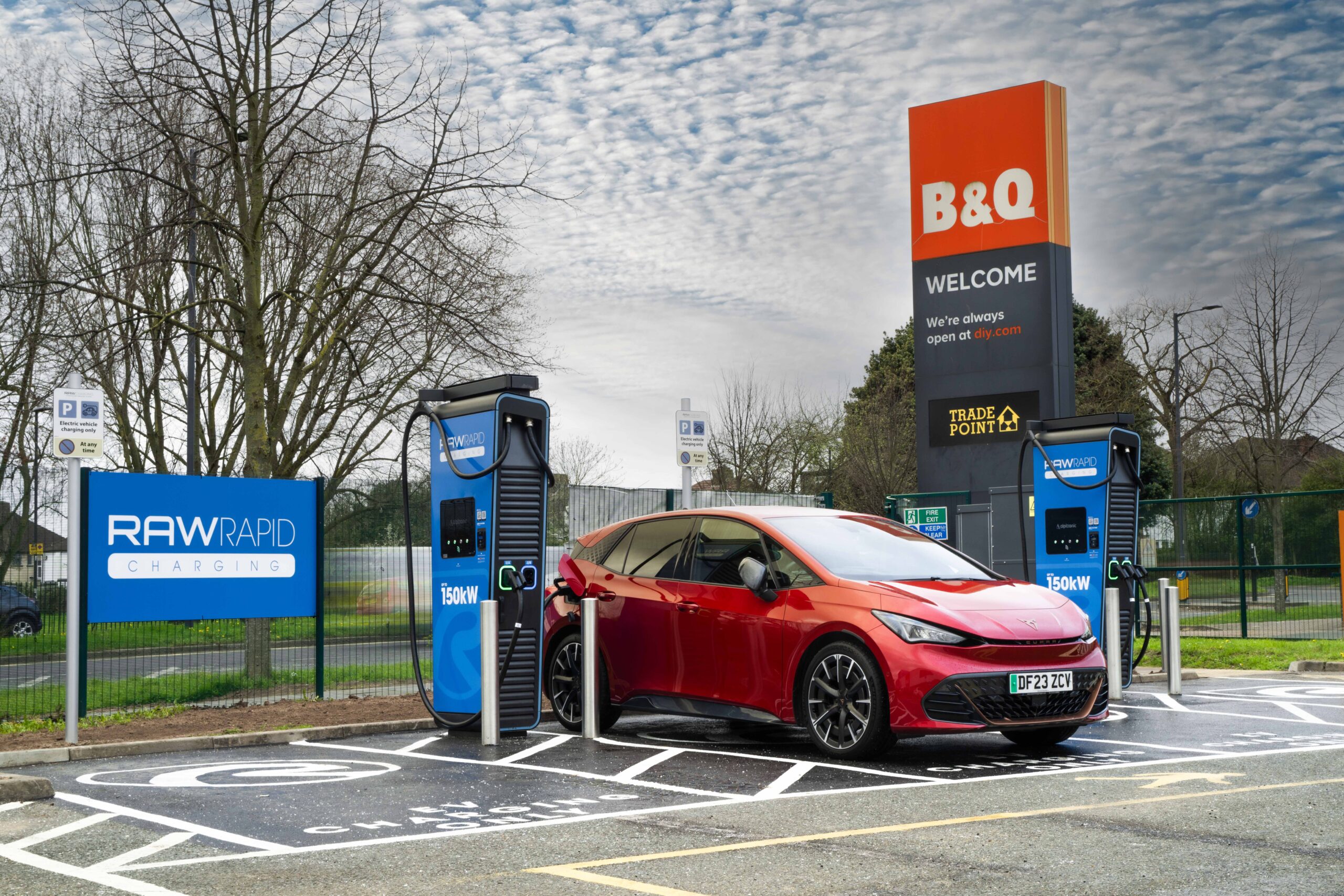
RAW Charging and B&Q are rolling out ultra-rapid EV charging hubs across B&Q stores in England and Wales, backed by an £11m investment in high-power charging infrastructure.
The programme will install DC rapid and ultra-rapid charging bays at B&Q locations over the next 12 months. The rollout is focused on retail destinations with regular dwell time, larger parking areas, and use by commercial drivers as well as general customers.
The first wave of installations is already under way, with charging bays installed at B&Q Cheltenham, B&Q Sidcup, B&Q Boston, B&Q Stanmore, and B&Q Galashiels. Access is expected to include contactless payment and major EV charging apps once the sites are live.
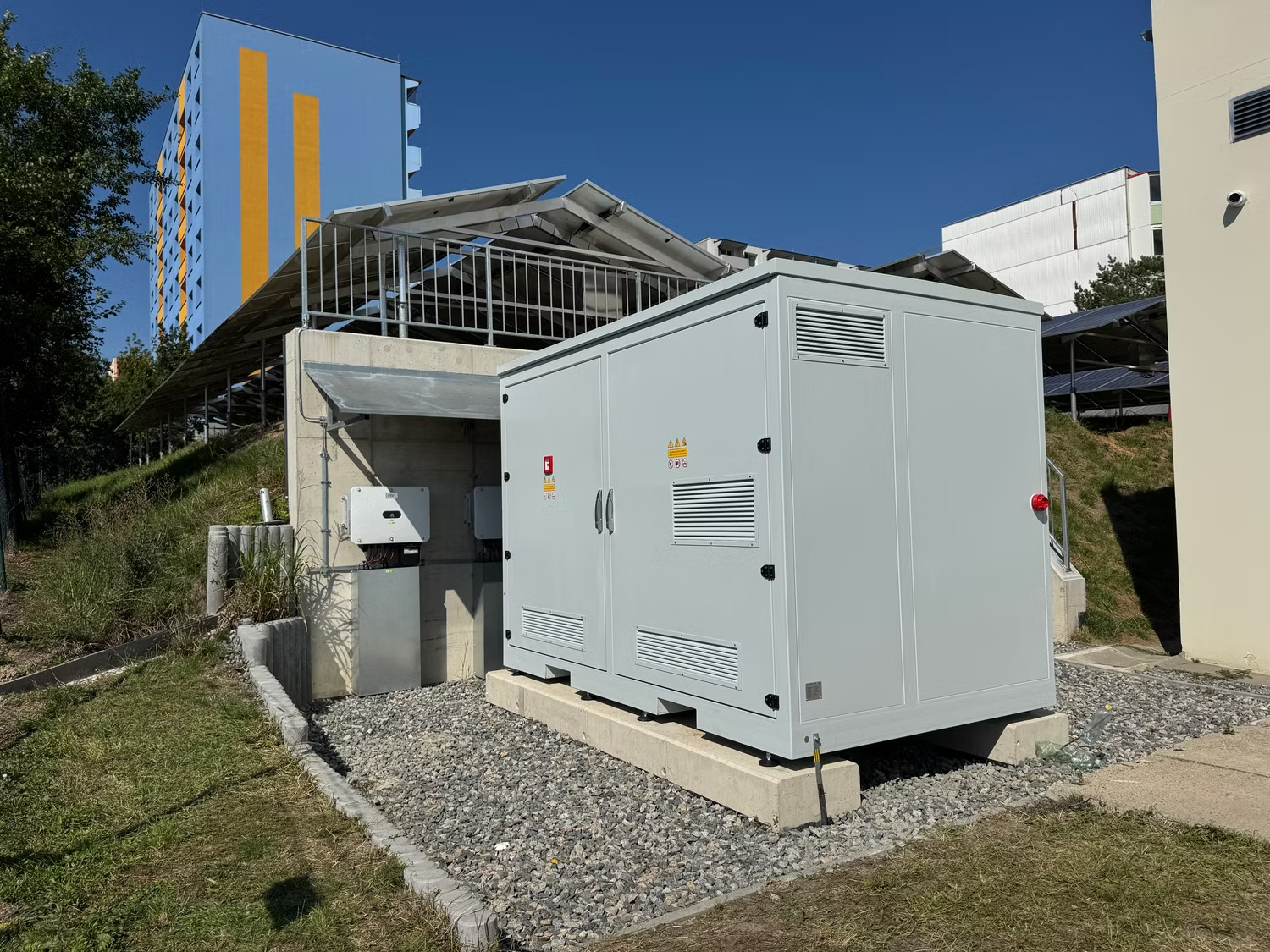
The hubs are designed with high-power DC charging, spacious bays, and longer dwell-time options. Where required, grid upgrades and high-voltage connections will be delivered to support site capacity and future demand. Retail car parks were not originally designed as high-power electrical assets, so the enabling works can form a substantial part of each installation.
Destination charging has moved beyond the installation of small numbers of lower-power chargers in spare parking spaces. Ultra-rapid sites require a more substantial engineering package, including load assessment, incoming capacity, transformer arrangements, protection, cable routes, civils, communications, metering, bay design, lighting, accessibility, and maintenance access.
The B&Q model places charging infrastructure where vehicles already stop for work or operational reasons. Retail destinations can support charging during planned visits, while high-power DC equipment allows shorter dwell times for commercial drivers and other users who need a faster turnaround. The power profile changes when chargers are designed for vans, trade users, and higher turnover rather than occasional customer top-ups.
IN Power recently covered MFG EV Power’s activation of Plug&Charge across its rapid network, showing how large charging networks are now both physical infrastructure and digital infrastructure. Charger power rating, payment systems, roaming, authentication, maintenance, and backend uptime all influence network reliability.
The B&Q and RAW rollout also connects with the growth of high-power charging for commercial vehicles. IN Power has reported on Voltempo’s high-power depot charging installation for Bartrums, where infrastructure was planned around electric HGV operation and existing substation capacity. Retail charging is a different use case, but both examples depend on power availability at the right sites rather than charger supply alone.
Grid upgrades and high-voltage connections remain one of the main constraints for rapid and ultra-rapid hub deployment. Some sites will have spare capacity or straightforward upgrade paths. Others will face connection delays, space constraints, transformer limitations, or commercial questions around peak demand charges. The most attractive charging locations are not always the easiest electrical locations.
For charge point operators and site hosts, the design task increasingly includes future expansion. A site built for a handful of high-power chargers may later need to accommodate more bays, higher utilisation, larger vehicles, battery-buffered charging, solar canopies, local storage, or flexible load control. Early decisions on cable ducts, switchgear, transformer capacity, and space allocation can determine whether expansion is economical.
The B&Q and RAW programme adds another large-format retail charging rollout to the UK market. Its significance sits in the combination of commercial-vehicle usage, high-power DC charging, and the need to adapt retail electrical infrastructure for transport electrification.
Further information on the rollout is available through RAW Charging’s project announcement.