
IN Brief:
- National Grid has energised 44km of new overhead power lines between Sandford and Seabank.
- The northern section includes 95 of the project’s 146 pylons, including 68 new T-pylons between Towerhead and Crooks Marsh.
- The wider Hinkley Connection Project spans 57km between Shurton and Seabank, including 8.5km of underground cable through the Mendip Hills.
National Grid has energised 44km of new overhead power lines between Sandford and Seabank, marking a major milestone on the Hinkley Connection Project.
The switch-on completes construction across the project’s northern section and strengthens electricity infrastructure in the south west of England. The energised route follows planned work between Melksham, Sandford Substation, and Seabank, with 95 of the project’s 146 pylons included in the section.
Between Towerhead and Crooks Marsh, the northern section includes 68 T-pylons. The wider Hinkley Connection Project spans 57km between National Grid’s new Shurton substation on the Hinkley Point C site and the existing Seabank substation in Avonmouth. Of that route, 48.5km is overhead line, mostly using T-pylons, while 8.5km runs underground through the Mendip Hills Area of Outstanding Natural Beauty.
The southern route was energised in 2023, with remaining works now focused on final sections and planned outages at Huntspill. Once complete, the connection will support the movement of low-carbon electricity across National Grid’s transmission network in England and Wales, including power from Hinkley Point C when the nuclear station enters operation.
Energising the northern section moves a major transmission package from construction into live system contribution. Overhead line construction is only part of the delivery sequence; route preparation, foundations, pylon installation, conductor stringing, substations, protection systems, outage planning, environmental mitigation, access management, and commissioning all have to align before a circuit can enter service.
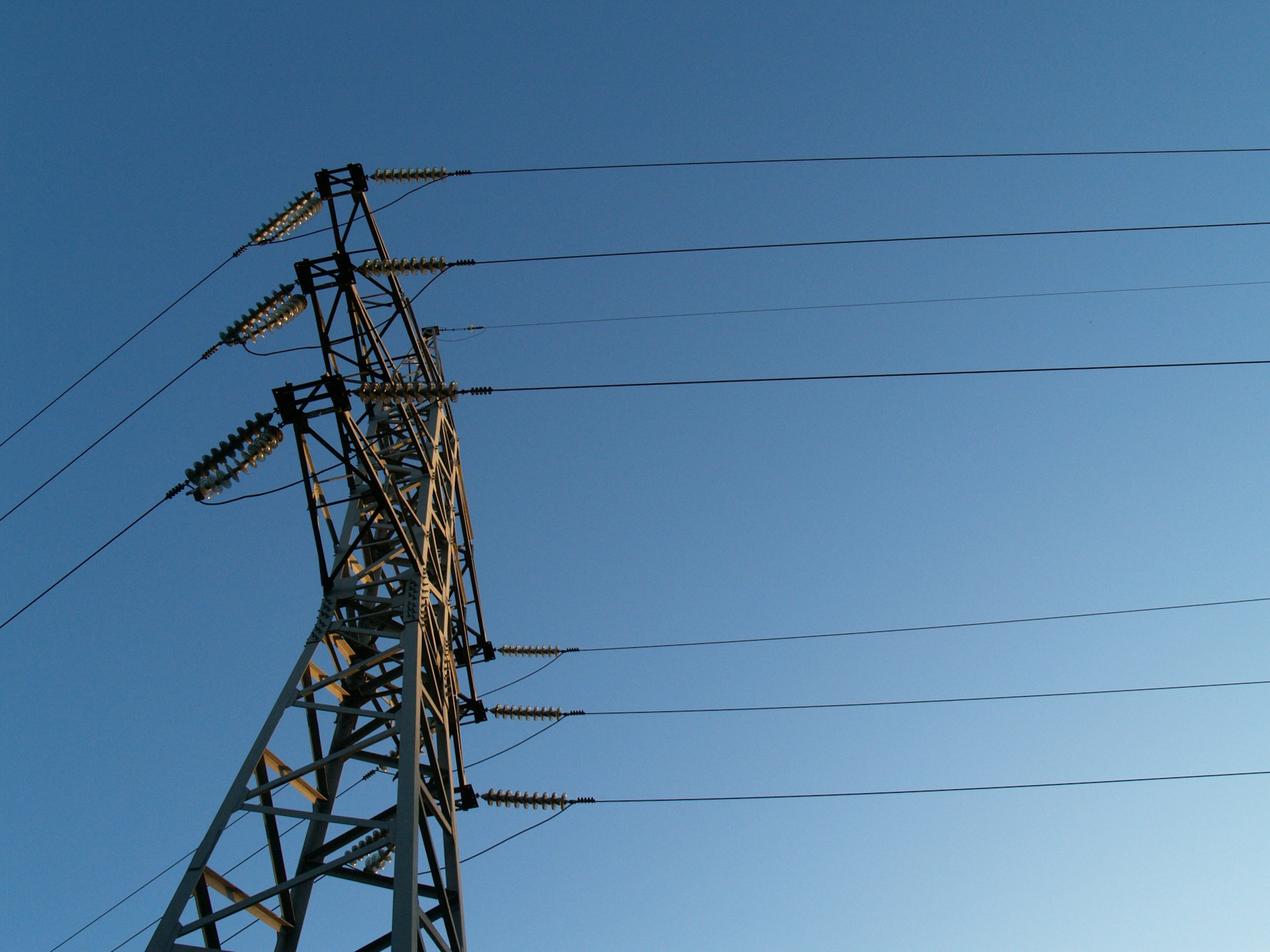
The Hinkley route has attracted attention because of its use of T-pylons. The design reduces the profile of the overhead line compared with conventional lattice pylons while still carrying high-voltage transmission circuits. Their use on this project has made the route one of Britain’s most visible examples of changing overhead line design, balancing transmission capacity, constructability, landscape impact, and long-term maintenance requirements.
The underground section through the Mendip Hills shows how those trade-offs are being managed along the route. Undergrounding can reduce visual impact in sensitive areas, although it brings higher cost, different thermal and repair characteristics, and more intrusive construction along the cable corridor. Overhead line sections remain faster to inspect, easier to repair, and generally less costly over long distances, which is why they continue to feature heavily in national reinforcement plans.
Those choices sit within a wider debate over how Britain should build transmission infrastructure. The balance between underground cables, overhead lines, pylons, landscape protection, cost, and repairability was examined in a recent analysis of why Britain still relies on overhead infrastructure while burying cables selectively. Hinkley provides a practical example of that mixed approach, combining T-pylons across most of the route with underground cable where environmental sensitivity is higher.
The project is progressing during a period of heavy reinforcement across the UK transmission system. Nuclear generation, offshore wind, interconnectors, storage, data-centre demand, and electrification of transport and heat are all increasing flow complexity. The south west network needs to handle new generation and changing demand, while the wider system requires stronger routes so power can move securely across regions.
Land restoration will now continue along the northern section as the remaining works move forward. Planned outages at Huntspill will support the next phase of connection and energisation, requiring careful sequencing to maintain system security while new circuits are brought into operation.
Generation projects often attract the public attention, but their value depends on the infrastructure that connects them. The energised northern section adds usable capacity to the south west transmission network and moves the Hinkley Connection Project closer to full completion. Its long-term performance will be measured by how reliably it supports low-carbon generation flows over decades of operation.

