IN Brief:
- Fusion 360 has expanded its electrical and solar design services with a new specialist design team.
- The service covers electrical wiring, cable distribution, solar PV systems, lighting layouts, assessments, specifications, and documentation.
- The move follows the company’s rebrand from Fusion Electrics to Fusion 360, reflecting growth across electrical, solar, design, and mechanical divisions.
Fusion 360 has expanded its electrical and solar design services with a new specialist design team supporting projects across the UK.
The enhanced service covers bespoke designs for electrical wiring, cable distribution, solar PV systems, and lighting layouts, alongside the assessments, specifications, and documentation needed to support project delivery. It will serve commercial, industrial, retail, healthcare, education, and prison facilities.
Project Designer Liam Prendergast will lead the new design team, having joined the company in 2021 and previously worked as an electrical improver. Bringing site experience into the design function links practical installation knowledge with front-end planning, especially where projects involve live buildings, constrained plant space, or phased upgrades.
Fusion 360’s design team will work directly with its installation and project delivery teams. That structure is intended to keep designs aligned with site conditions, installation sequencing, cost control, and compliance requirements, rather than separating drawings from the practical constraints encountered during delivery.
The expansion follows the company’s rebrand from Fusion Electrics to Fusion 360. The new identity reflects broader activity across electrical, solar, design, and mechanical services, as the business moves further into integrated energy and building-services delivery.
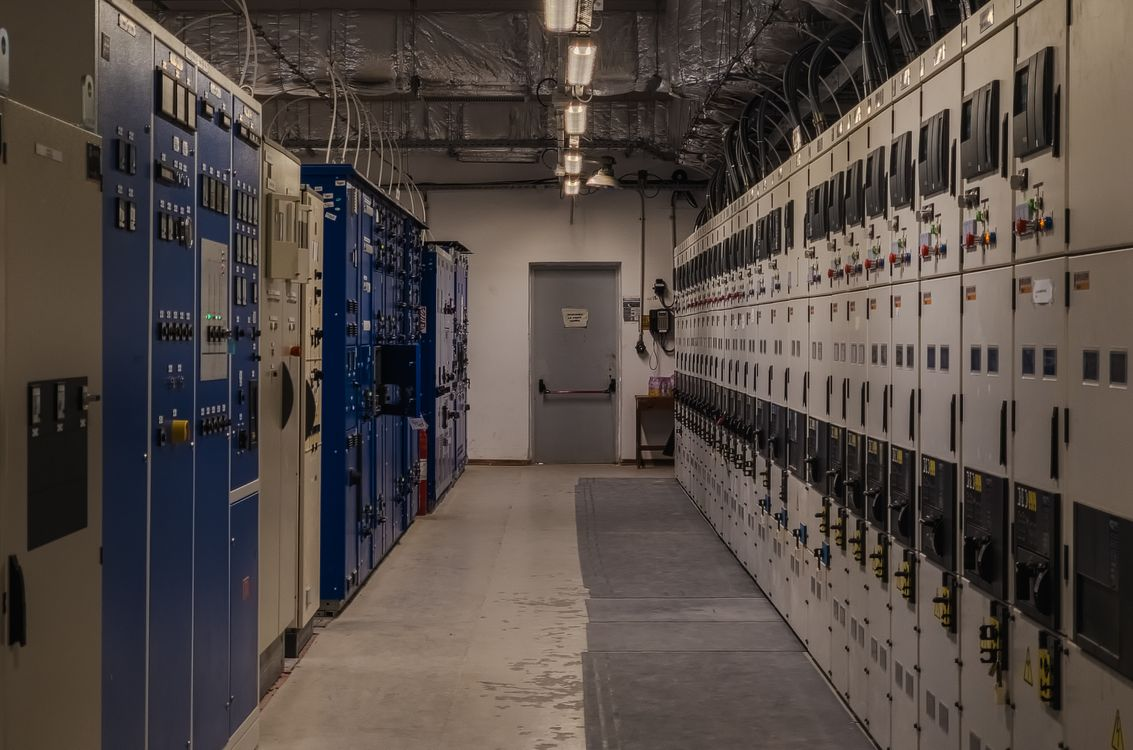
Electrical design is becoming more complex across commercial and public-sector buildings. Solar PV, battery readiness, EV charging, LED lighting, metering, security, emergency lighting, mechanical plant, and digital controls are increasingly specified within the same project environment. When those systems are designed in isolation, projects can face avoidable space conflicts, distribution constraints, duplicated infrastructure, or costly late-stage revisions.
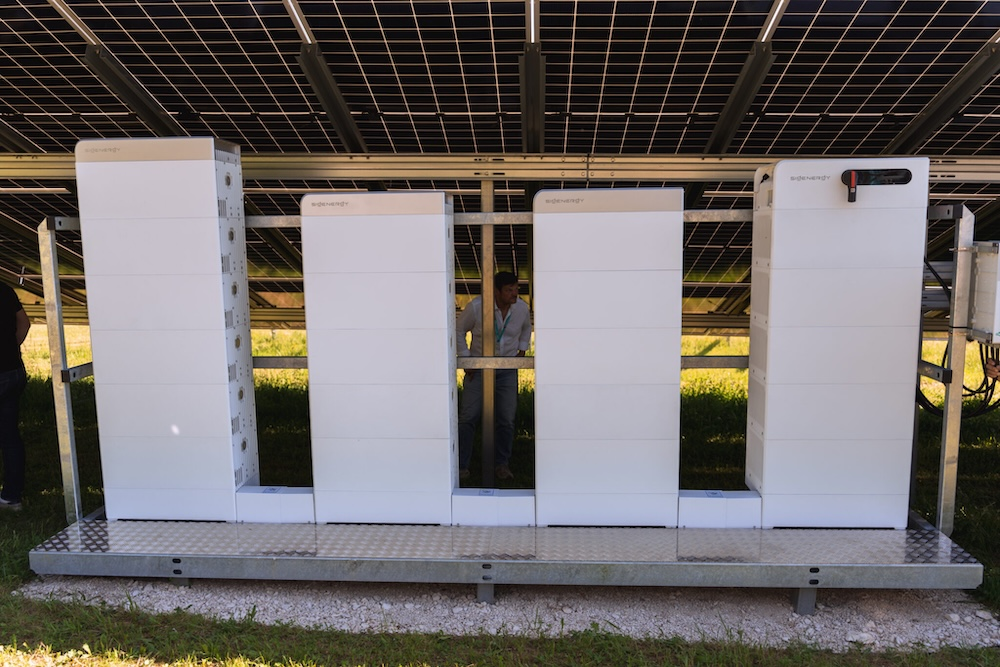
Solar design is following the same pattern. A PV installation is now commonly assessed alongside export limitation, grid connection requirements, battery integration, monitoring, load matching, and future EV charging. A design that meets the first phase of a brief but does not account for later electrical loads can restrict future energy upgrades and increase lifecycle cost.
Component selection and board space also remain practical constraints in retrofit and commercial projects. Compact protection devices, including smaller Type 2 surge protection equipment designed for tighter installations, show how product design is adapting to denser electrical environments. Early design decisions around protection, cable sizing, containment, and distribution space can determine whether upgrades remain straightforward or become intrusive building works.
Healthcare, education, and custodial environments add further requirements. Shutdown windows may be limited, access can be restricted, resilience requirements are higher, and documentation must satisfy compliance, maintenance, and safety processes. Coordinating design with installation planning can reduce disruption and improve confidence in how a system will perform once commissioned.
For contractors, stronger design capability also changes the role they play in the project lifecycle. Rather than entering only at installation stage, electrical businesses with design resource can support earlier decisions on energy use, infrastructure sizing, standards compliance, and buildability. That is increasingly valuable as clients look for systems that reduce energy consumption while remaining maintainable and adaptable.
Fusion 360’s design services cover power distribution, lighting design, EV charging infrastructure design, cable sizing, solar PV layouts, and grid connection support. With electrical systems carrying more of a building’s energy, safety, and decarbonisation functions, design and installation are becoming harder to separate without creating risk later in the project.