IN Brief:
- Contactum has introduced a compact Type 2 surge protection device range.
- The range is designed for Defender 2.0 consumer units and Defender B distribution boards.
- The launch responds to tighter board space as installations add more circuits, devices, and protection functions.
Contactum has introduced a new Type 2 Compact Surge Protection Device range for its Defender 2.0 consumer units and Defender B distribution boards.
The range provides protection against transient overvoltages while reducing the amount of space required inside distribution boards. Contactum has designed the compact format for installations where additional circuits, devices, and technologies are increasing pressure on available enclosure space.
The new SPD products support domestic, commercial, and industrial applications. The Defender 2.0 consumer unit platform is compliant with BS7671 18th Edition Wiring Regulations and tested in accordance with BS EN 61439-3 including annex ZB. The range includes Type A RCDs and RCBOs as standard, surface and flush-mounted options, ratings up to 100A, and configurations up to 24 modules in single-row boards and 44 modules in dual-row boards.
Updated guidance around surge protection devices in domestic applications has also shaped the design. Under specific conditions, a dedicated miniature circuit breaker may be omitted, with protection provided by the Distribution Network Operator’s fuse. Contactum has developed its Compact SPD for Defender 2.0 consumer units in line with that installation approach, reducing the board space otherwise required for a separate protective device.
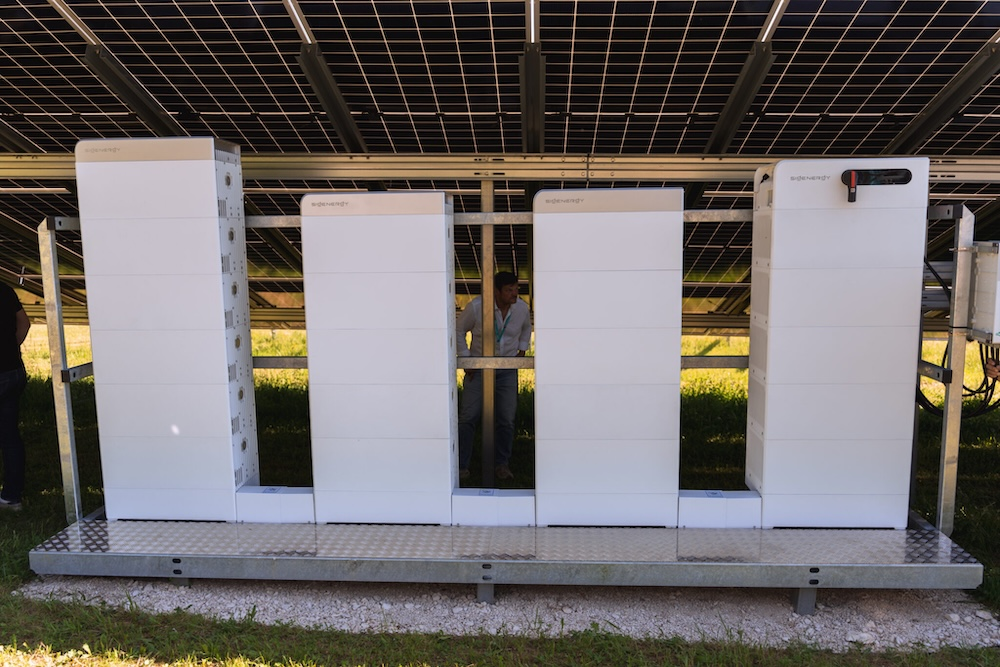
Board space is becoming a more constrained part of electrical design. Additional final circuits, EV charging, solar PV, heat pumps, battery storage, smart controls, AFDDs, RCBOs, and surge protection can all increase module demand. In smaller domestic and light-commercial installations, an enclosure can reach its practical limit before future electrification requirements are fully accommodated.
Surge protection has also moved from a peripheral consideration into routine specification. Sensitive electronics, connected controls, inverters, chargers, battery systems, and digital equipment are more exposed to transient overvoltage consequences than older loads. Protection coordination is therefore increasingly planned alongside future circuit capacity, load growth, and connected equipment resilience.
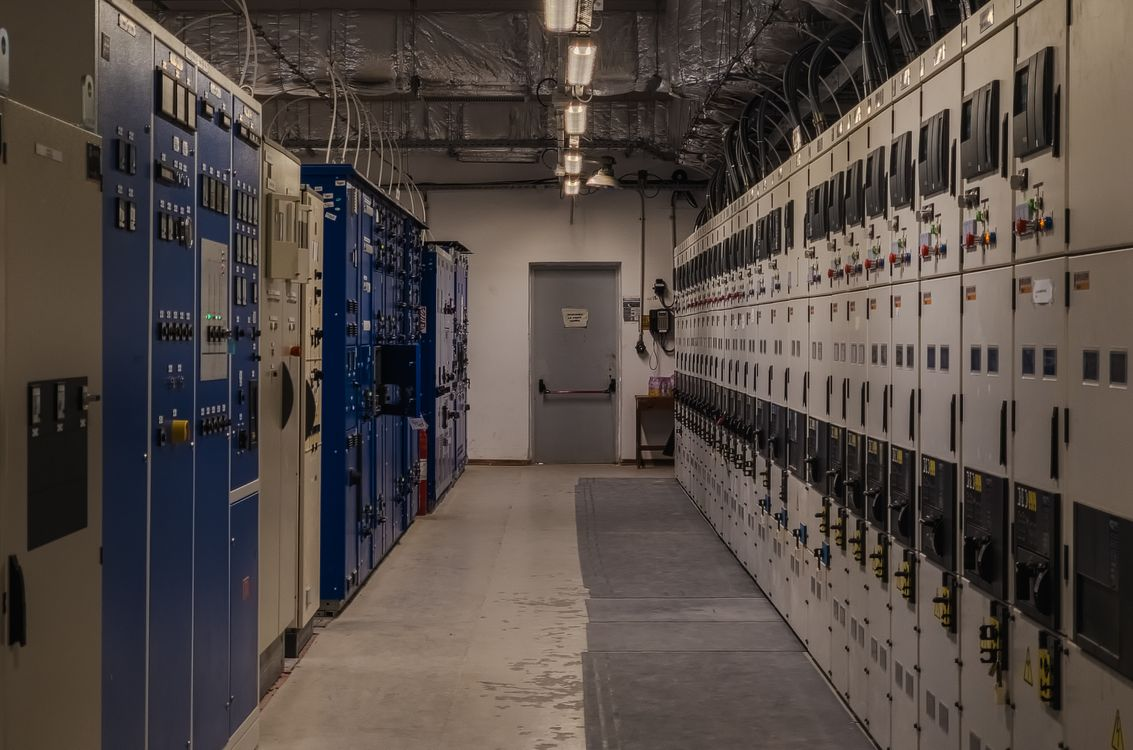
Higher-voltage equipment markets are following a comparable pattern, albeit at a different scale. Schneider Electric’s UK launch of MCSeT switchgear combined vacuum circuit breaker technology, connected monitoring, and reduced material use for medium-voltage distribution applications. Across both low- and medium-voltage systems, distribution equipment is being redesigned around space efficiency, digital visibility, safety, and lifecycle performance.
At low voltage, practical installation constraints remain decisive. Installers need devices that fit within real enclosure limits without weakening protection, compliance, or maintainability. Compact SPDs can preserve board capacity for other protective and control functions, particularly where older installations are being upgraded or where future electrical additions are expected.
Future-proofing is becoming more common in consumer unit and distribution board specification. Equipment installed today may later need to support EV charge points, heat pumps, solar PV, batteries, smart metering interfaces, and home energy management systems. Space saved on one protective function can affect the feasibility, neatness, and serviceability of later additions.
The same issue appears in small commercial and industrial facilities. Distribution boards serving plant rooms, workshops, retail sites, offices, and light-industrial buildings are increasingly connected to controls, automation, communications equipment, and on-site generation or storage. Surge protection must fit into that environment without making boards harder to install, inspect, test, or modify.
Contactum’s compact SPD range is a product-level development, but it sits within a broader installation trend. As electrical systems absorb more connected loads and distributed energy assets, the low-voltage board is becoming a denser point of protection, switching, monitoring, and expansion. Space efficiency has become part of practical electrical design rather than a secondary product feature.