IN Brief:
- Europe’s co-located renewable and battery capacity is forecast to rise from 6.3GW in 2025 to about 35GW by 2030.
- Germany, Britain, and Bulgaria rank among the most attractive markets for hybrid renewable-storage projects.
- Curtailment, negative pricing, and connection constraints are pushing storage into mainstream renewable project design.
Aurora Energy Research expects Europe’s co-located renewable power and battery storage capacity to rise from 6.3GW in 2025 to around 35GW by 2030, as grid congestion, negative pricing, and curtailment reshape renewable project economics.
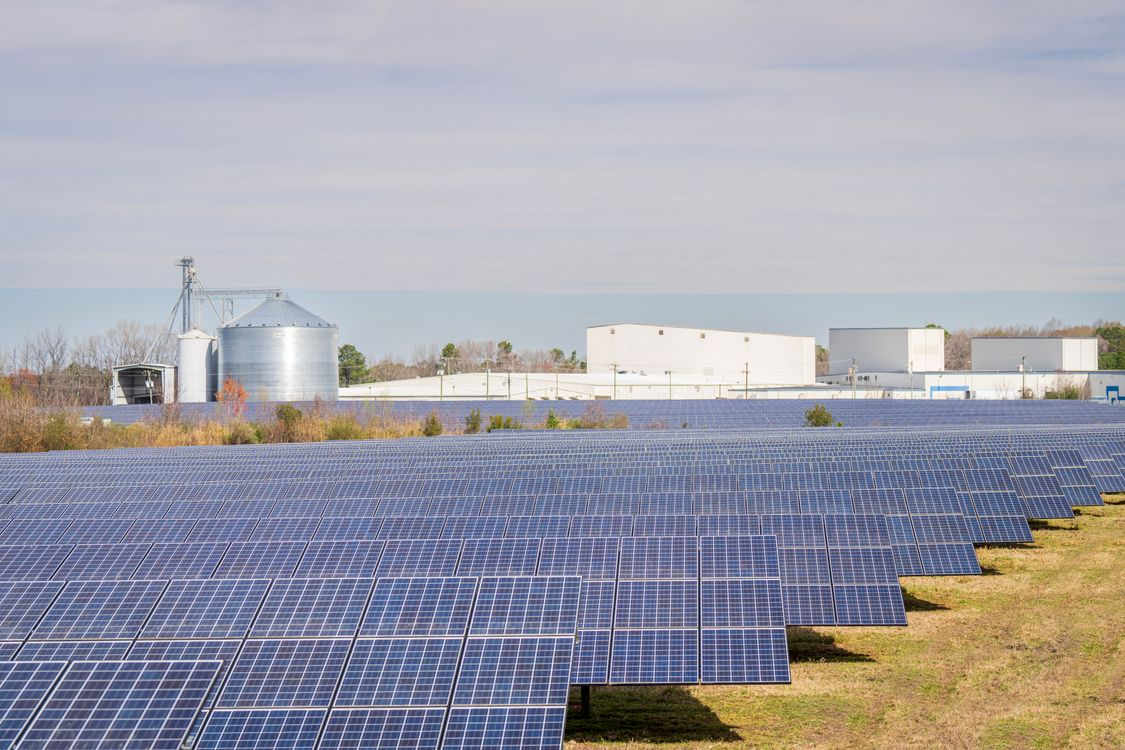
The forecast points to growth of more than 450% during the second half of the decade. Solar-plus-storage accounts for more than 60% of Europe’s current co-located capacity base, while wind and hybrid configurations are expected to increase as markets place greater value on dispatchable renewable output.
Germany is ranked as the most attractive market for co-located projects, followed by Britain and Bulgaria. Spain, Hungary, and France are also identified as markets to watch, supported by renewable capacity growth, price volatility, and rising demand for flexibility.
The commercial driver is the changing value of renewable electricity. As solar and wind penetration rises, more generation is exposed to periods when wholesale prices are low or negative. In those windows, output may be curtailed or sold at weak prices. Battery storage allows part of that output to be shifted into periods of higher demand and stronger pricing.
Negative pricing has become a visible signal of stress in several European power markets. Spain, the Netherlands, and Germany have already recorded hundreds of hours of negative prices, and curtailment is forecast to increase materially by 2030. Renewable projects are therefore being designed with storage in mind earlier in the development process, rather than treating batteries as separate assets added after connection.
Grid connection queues add another constraint. A large volume of renewable and storage capacity is waiting for connection across Europe, with Britain holding one of the largest queues. Co-location can improve the use of existing or planned grid capacity by allowing generation and storage to share infrastructure, although the benefit depends on export limits, connection terms, metering design, dispatch strategy, and market access.
Germany’s storage build-out is already moving into larger operational and construction pipelines, with projects advancing across a 324MWh pipeline as developers respond to market volatility and balancing requirements. In Britain, Elements Green’s acquisition of a Scottish BESS project sits within the same pattern of storage investment near constrained areas of the system.
Co-located storage also reflects a broader change in renewable revenue models. Merchant exposure, contracts for difference, balancing markets, ancillary services, capacity mechanisms, and corporate power purchase agreements all influence how developers size and operate battery assets. A battery attached to a solar or wind farm can support peak shifting, imbalance reduction, curtailment mitigation, and participation in flexibility markets where the rules allow.
Technical design is becoming more demanding as a result. Developers must balance generation capacity, battery duration, grid export capacity, transformer sizing, land availability, fire safety, control systems, degradation assumptions, and route-to-market arrangements. The optimum configuration is rarely the largest battery by default. It is the combination that matches the generation profile, grid constraints, market spreads, and revenue strategy.
Network operators and regulators also face a more complicated asset class. Shared connections can improve infrastructure utilisation, but they require clear rules around metering, charging, dispatch, and system operation. Where storage is treated too rigidly in connection agreements or network charging structures, the technical value of hybrid projects can be reduced.
As co-located capacity grows, renewable generation will be measured less by installed megawatts alone and more by how effectively output can be shaped around grid and market conditions. Solar and wind will continue to dominate new generation capacity, but the commercial quality of those projects will increasingly depend on whether their output can be stored, dispatched, and absorbed without excessive curtailment.
The forecast growth to 2030 points to storage becoming a structural part of renewable development. Europe’s next build-out phase will be defined not only by how much renewable capacity is connected, but by how much of that electricity can be delivered to the system at the right time.