IN Brief:
- German storage activity has advanced across projects involving Green Flexibility, Suncatcher, Statkraft, SWB, Be.storaged, ArcelorMittal, and EDF Power Solutions.
- The projects include standalone BESS, solar-plus-storage hybrids, industrial storage, and flexible grid connection models.
- Germany’s storage buildout is expanding across distribution grids, hybrid renewable plants, municipal utilities, and industrial energy sites.
Green Flexibility, Suncatcher, SWB, Be.storaged, ArcelorMittal, EDF Power Solutions, and Statkraft have advanced a series of German battery energy storage projects totalling around 324MWh.
The developments cover several storage models. Green Flexibility has commissioned a large battery system in Balzhausen, Bavaria. Suncatcher has signed an agreement with Statkraft for the marketing and optimisation of three solar-plus-storage projects in Germany. SWB and Be.storaged are progressing a two-hour battery system in Bremen’s industrial port, while ArcelorMittal and EDF Power Solutions are planning a battery storage facility at ArcelorMittal’s Bremen steel site.
Green Flexibility’s Balzhausen project is connected through a feed-in socket pilot with distribution network operator LEW Verteilnetz. The company has described the project as the largest battery storage facility in Swabia, with an investment of around €35m. The system forms part of a wider German push to develop storage assets that can support local grids while capturing value from volatile renewable output and market signals.
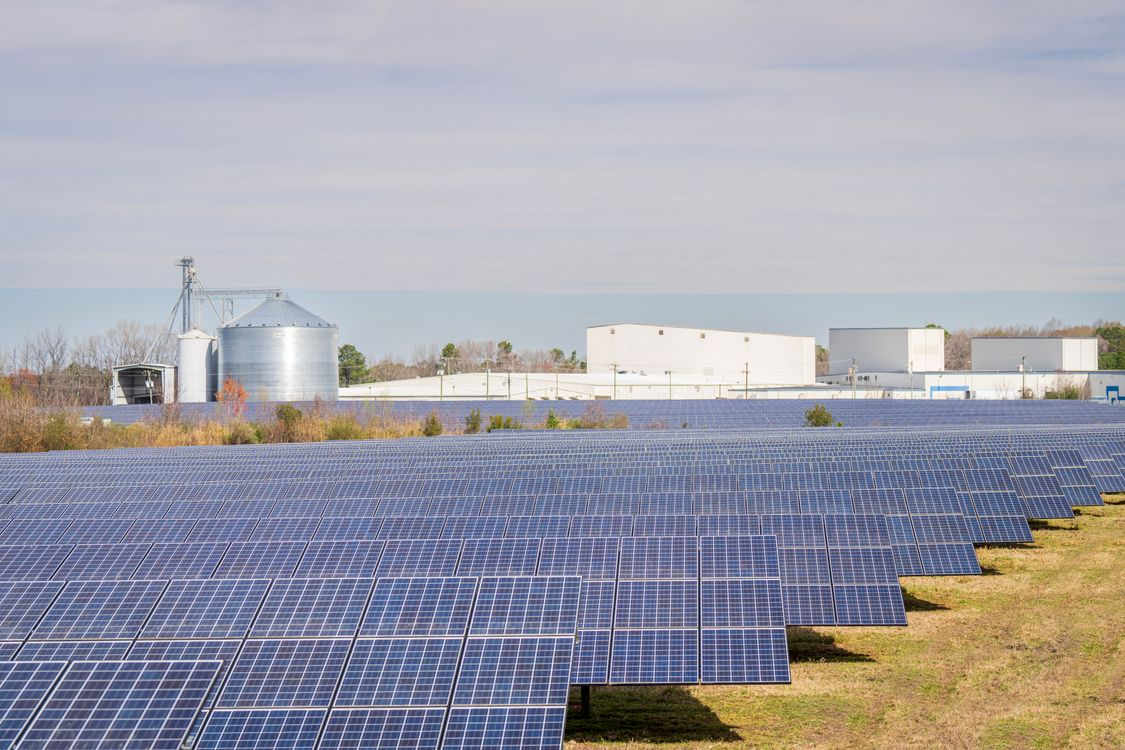
Suncatcher’s agreement with Statkraft covers the Klötze II, Salzwedel, and Seehausen hybrid projects. Together, they have 34.5MWp of solar PV capacity, 12MW of battery output, and 24MWh of storage capacity. The projects are expected to be commissioned in the second half of 2026 and transferred to Statkraft for marketing and optimisation. The batteries will be charged exclusively from the connected solar plants, with Statkraft managing the coordinated operation of generation, storage, and market dispatch.
In Bremen, SWB and Be.storaged are working on an 85MW/170MWh battery system at an industrial port location. The project follows Germany’s wider use of industrial and power-sector sites for new flexibility assets, where grid access, land use, and existing energy infrastructure can support storage development. ArcelorMittal’s separate Bremen project with EDF Power Solutions adds an industrial energy angle, placing a 25MW/50MWh BESS at a steel manufacturing site.
The combined activity shows how the German storage market is diversifying. Standalone batteries remain central, but hybrid solar-plus-storage systems and industrial batteries are becoming more prominent as developers seek revenue models that combine market trading, local grid support, self-consumption, and operational resilience. Flexible connection arrangements are also gaining attention as grid operators and storage developers look for ways to connect assets without waiting for conventional reinforcement timelines.
Germany’s electricity system is shaped by high renewable penetration, regional congestion, and growing electrified demand. Batteries can absorb excess generation, shift output into higher-value periods, provide ancillary services, and reduce local stress on networks. Their value rises when they are integrated into dispatch and market systems rather than treated as passive assets connected behind a meter.
Optimisation is becoming central to storage performance. Hybrid systems require coordinated control of solar output, battery charging, discharging, and market exposure. Standalone systems need trading strategies that balance cycling revenue against degradation and warranty limits. Industrial systems must align grid services with site-level operational requirements. Software, forecasting, trading, and grid-interface design are becoming as important as the battery containers themselves.
The scale of recent activity shows storage being deployed across multiple parts of the German energy system: distribution grids, hybrid renewable plants, municipal utilities, and heavy industry. Batteries are moving beyond individual ancillary-service opportunities towards broader use as flexible infrastructure within a more complex power system.