IN Brief:
- European Energy has started construction of a 225.5MW agrivoltaic solar project near Vizzini in Sicily.
- The project follows a final investment decision of more than €200m and is supported by Italy’s FER X CfD scheme.
- The site will combine solar generation with sheep grazing, reforestation, and biodiversity measures across a large land area.
European Energy has started construction of a 225.5MW agrivoltaic solar project near Vizzini in Sicily, advancing one of Italy’s largest planned solar developments.
The project follows a final investment decision of more than €200m and is supported by Italy’s FER X Contract for Difference scheme. European Energy is overseeing development, engineering, procurement, and construction, with the asset designed for long-term electricity generation and agricultural land use.
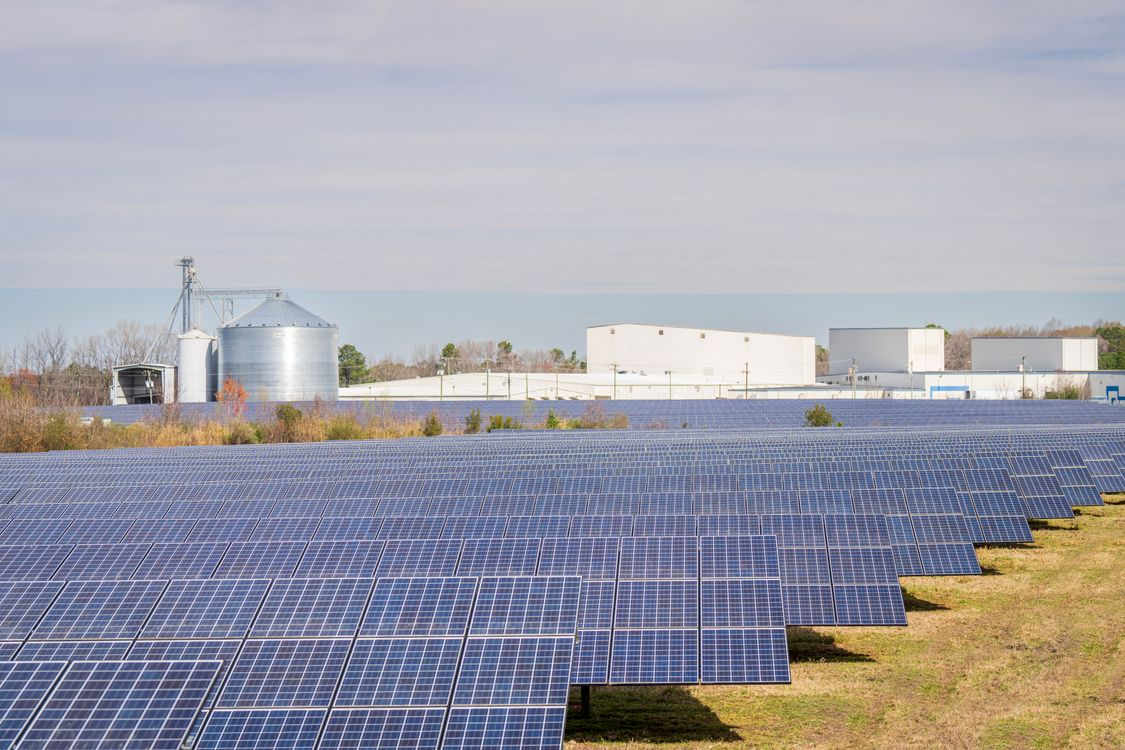
Once operational, the Vizzini project is expected to produce around 405GWh of electricity each year. The scheme combines utility-scale solar generation with sheep grazing beneath elevated modules, with panels installed around 1.3 metres above ground level to allow continued agricultural activity under the array.
The project covers approximately 260 hectares. Around 820 sheep are expected to graze on the site, while 90 hectares will be dedicated to reforestation. A further 25 hectares will be used for mitigation measures, including olive and prickly pear planting, and another 25 hectares will be maintained in natural condition.
Agrivoltaic design is becoming more important as large-scale solar deployment encounters land-use, planning, and rural economy constraints. By combining electricity generation with productive agricultural activity, projects can reduce the trade-off between renewable energy development and land stewardship. The approach also increases design complexity, because electrical layout, module height, access routes, vegetation, livestock movement, and maintenance all have to function together.
Sicily offers strong solar resource and suitable land availability, but large southern Italian generation projects also depend on grid capacity and transmission access. Much of Italy’s electricity demand is concentrated further north, making renewable deployment in high-resource southern regions dependent on the ability of the wider system to absorb and move generation efficiently.
The same grid pressure has been visible elsewhere in Europe. Portugal’s renewable buildout has been slowed by network constraints, with grid capacity limiting the pace of renewable deployment despite strong project interest. Italy has different market structures and support mechanisms, but the same underlying engineering challenge applies: renewable generation can be developed faster than the transmission and distribution networks required to integrate it.
The Vizzini project also reflects a more mature commercial phase for utility-scale solar. Developers increasingly need revenue support, grid access, local stakeholder alignment, and robust supply-chain plans before projects can move into construction. The FER X CfD framework provides long-term revenue visibility, while the agrivoltaic design addresses local integration by maintaining agricultural use across the site.
Storage and hybridisation remain part of the wider European market direction. In Poland, Energa is seeking contractors for solar and battery projects, pairing generation with storage to improve grid stability and asset value. The Vizzini development is being advanced as an agrivoltaic solar project rather than a solar-plus-storage asset, yet curtailment risk, grid availability, and dispatch value will remain central once it enters operation.
Large agrivoltaic sites require electrical and civil design that supports two land uses over the full life of the asset. Foundation spacing, cable routing, inverter placement, monitoring systems, site security, drainage, access tracks, and O&M routes must be compatible with livestock and vegetation management. That can increase design and maintenance complexity, but it can also create a stronger planning and land-use proposition.
Construction at Vizzini now moves the project from investment decision into delivery. Its progress will show how Italy’s auction-backed solar market can combine scale, agricultural continuity, biodiversity measures, and grid-connected renewable generation in a single utility-scale development.