IN Brief:
- Renewable sources accounted for 54.1% of EU net electricity production in Q2 2026, down fractionally from 54.3% a year earlier.
- Solar supplied 41.6% of renewable electricity, ahead of wind at 27.7% and hydro at 22.6%.
- National renewable-generation shares ranged from 97.7% in Latvia to 19.8% in Slovakia.
Eurostat has reported that renewable sources accounted for 54.1% of net electricity generation across the European Union during the second quarter of 2026, almost unchanged from 54.3% in the corresponding quarter of 2025.
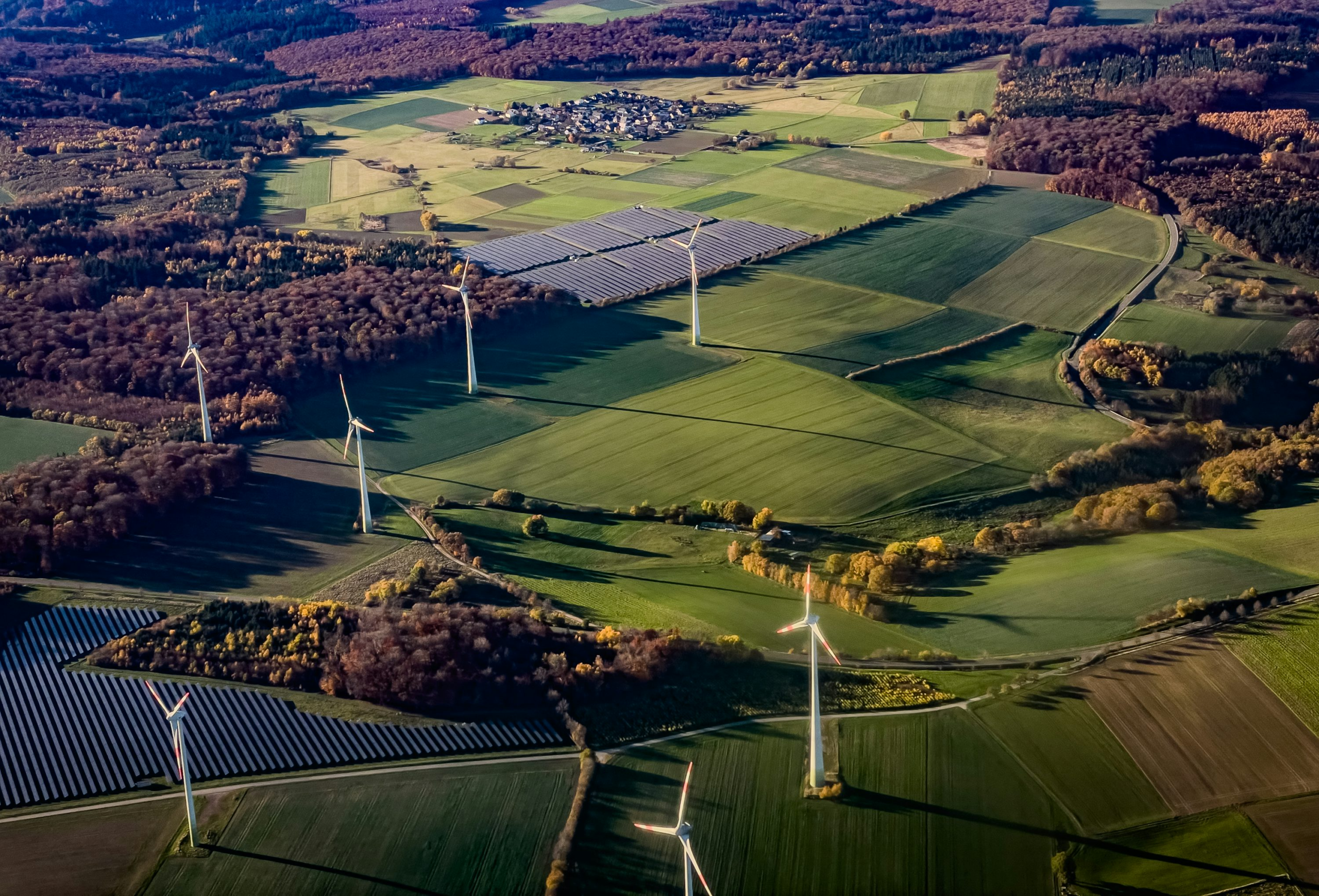
The composition of that renewable output continued to shift. Solar was the largest renewable source during the quarter, providing 41.6% of renewable electricity compared with 37.0% a year earlier.
Wind ranked second at 27.7%, followed by hydroelectric generation at 22.6%. Renewable combustible fuels contributed a further 7.7%, while geothermal and other renewable sources accounted for the remaining 0.4%.
The solar result reflects both continued capacity growth and the seasonal profile of European generation. Second-quarter data capture longer daylight hours and stronger solar conditions across much of the continent, so the technology’s quarterly lead over wind should not be read as a permanent annual ranking.
Higher photovoltaic output is nevertheless changing the operating shape of the electricity system. As more generation is concentrated into daylight hours, networks have to accommodate stronger midday flows and sharper transitions towards evening demand. Storage, demand flexibility, interconnection and controllable generation therefore become more important alongside additional renewable capacity.
The EU-wide figure also conceals a wide spread between member states. Latvia recorded the highest renewable share of net electricity production at 97.7%, with hydro and solar prominent in its mix. Denmark followed at 94.3%, dominated by wind, while Croatia reached 92.2%, largely through hydroelectric generation.
At the opposite end of the range, renewables accounted for 19.8% of net electricity production in Slovakia, 20.9% in Czechia and 24.5% in Malta. Generation fleets, geography, weather, interconnection and national investment histories produce markedly different operating conditions beneath the single EU percentage.
Eurostat also distinguishes the quarterly production measure from the indicator used to assess progress under the Renewable Energy Directive. The 54.1% figure covers renewable energy as a share of net electricity production, whereas the Directive measure is based on gross electricity consumption and applies a different methodology.
Under the Directive methodology, wind and hydro output are normalised across several years to smooth weather effects, while electricity from renewable combustible fuels qualifies only where the fuels meet sustainability criteria. The quarterly generation series instead gives a more immediate view of what generating technologies produced during the period.
A high quarterly renewable share does not show whether generation was available at the hours of highest demand, whether local networks could transport all available output, or how often plants were constrained because the system could not absorb their production.
Solar makes the timing issue particularly visible. A large photovoltaic fleet can produce substantial energy across a quarter while concentrating output into similar daylight hours. As penetration rises, wholesale prices can weaken during periods of abundant production while evening and low-solar periods retain a stronger requirement for dispatchable generation, stored energy, imports or flexible demand.
Storage can shift part of that production, but energy capacity becomes as important as power rating. A battery capable of delivering hundreds of megawatts for one hour performs a different system function from a four- or eight-hour installation, even where the headline power rating appears similar. Pumped hydro, thermal storage and flexible industrial demand add further options for shifting energy through time.
Wind presents a different operating profile because variability follows weather systems rather than the daily solar cycle and can extend across several days. Interconnection between regions with different weather conditions can smooth part of that variability, while widespread low-wind periods create a requirement for other generation or longer-duration flexibility that short batteries cannot fully address.
Hydropower adds another distinction. Reservoir plants can often provide dispatchable energy and system services, while run-of-river output is more directly tied to water conditions. Latvia and Croatia’s high renewable shares therefore have different operational characteristics from Denmark’s wind-heavy system even though all three exceeded 90% in the quarterly data.
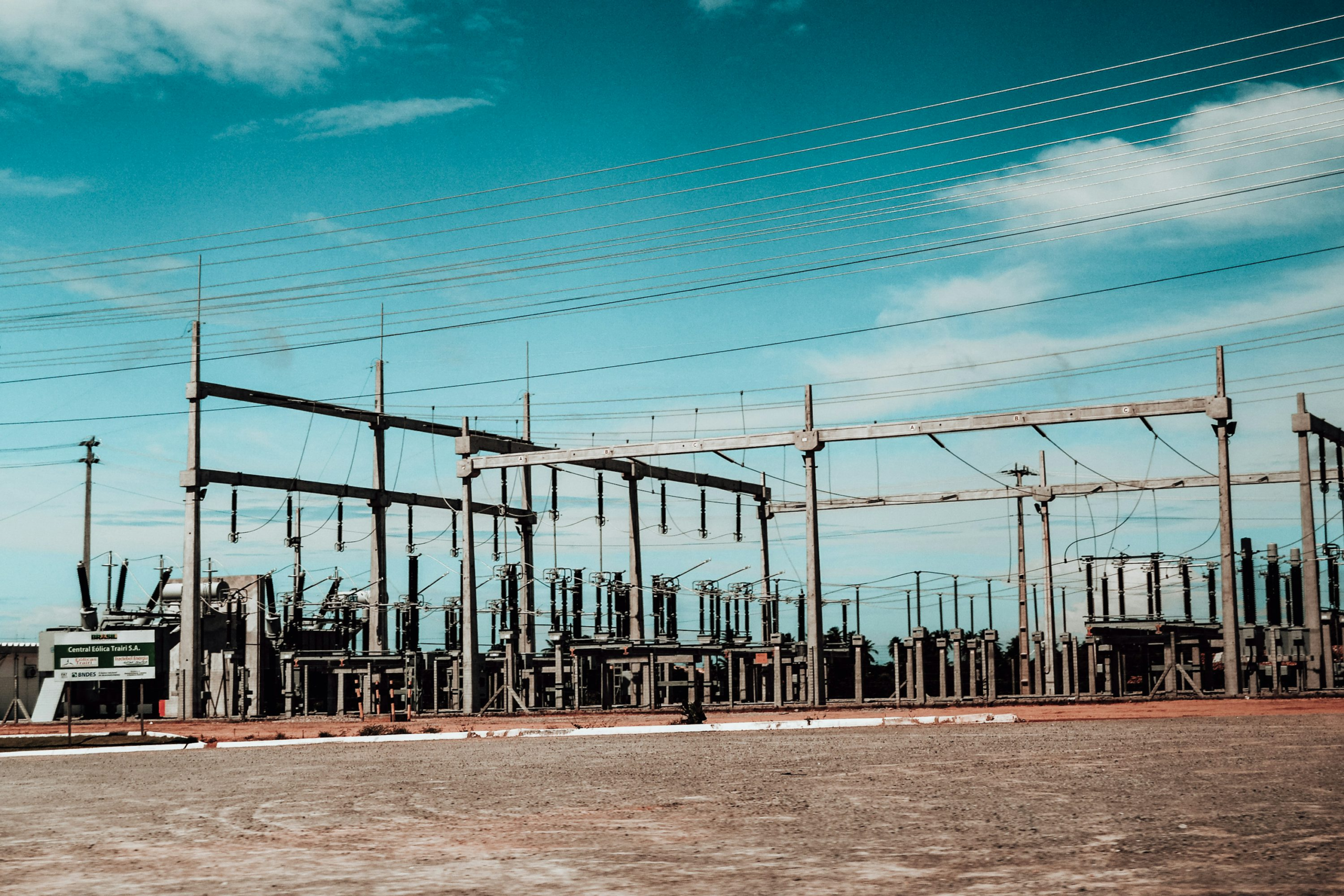
Network capacity increasingly determines how much new renewable generation can be used rather than merely connected. Projects can be technically ready and economically viable but still face delayed energisation where substations, circuits or system stability limits have not expanded at the same pace as generation.
The marginal fall from 54.3% to 54.1% year on year is small relative to normal quarterly movements caused by weather, demand and conventional generation. The larger structural change in the dataset is solar’s rise from 37.0% to 41.6% of renewable electricity, increasing the pressure on daytime flexibility, congestion management and the ability to move energy across both geography and time.