
Storage
—
-
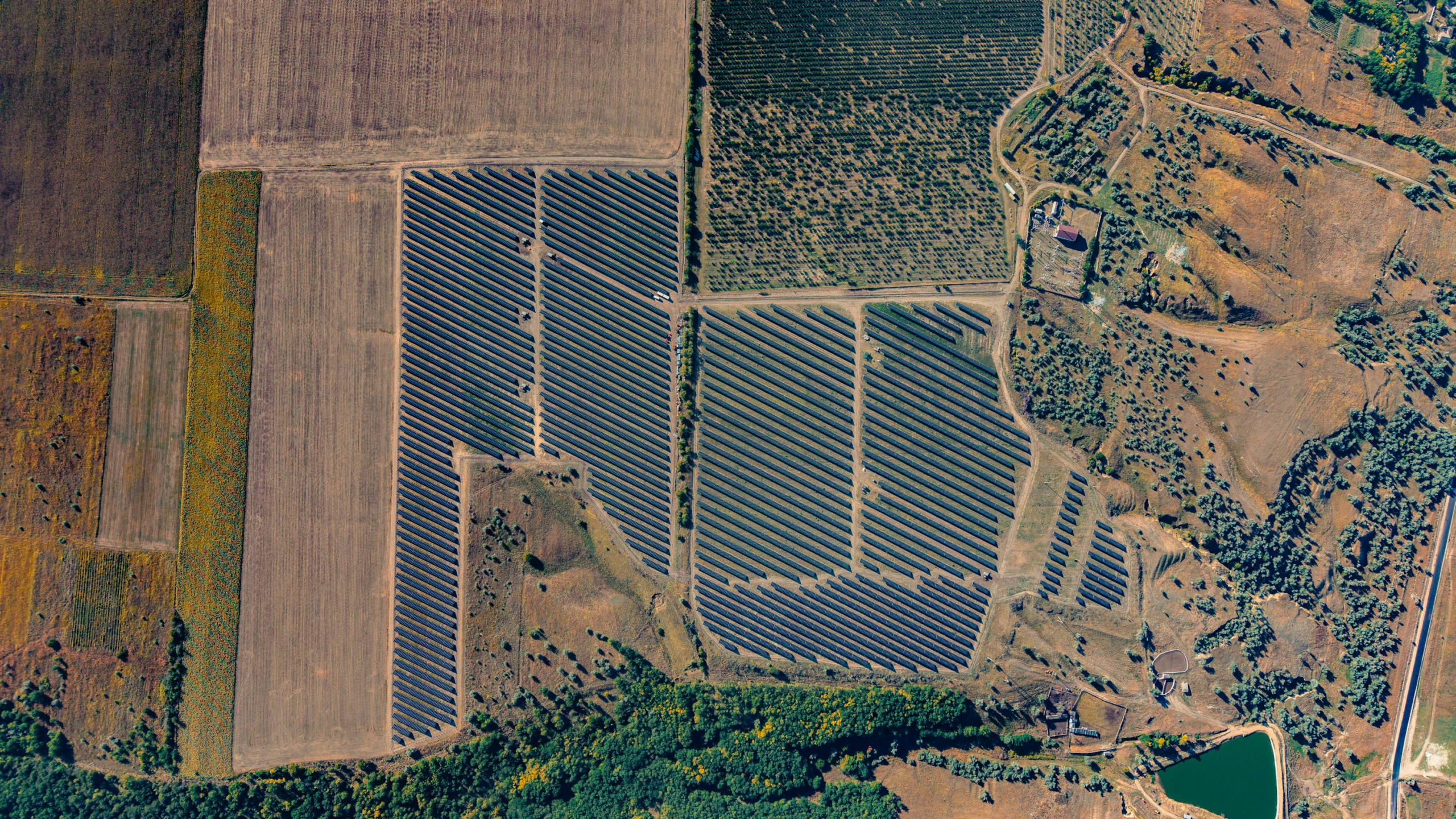
MOL has commissioned solar generation and battery storage at Algyő. The 37.4MWp plant is paired with a 20MW/40MWh system supporting site demand and grid flexibility.
-

Construction has started on Belgium’s Green Turtle grid battery project. The 700MW/2,800MWh system is scheduled to enter service in March 2028.
-
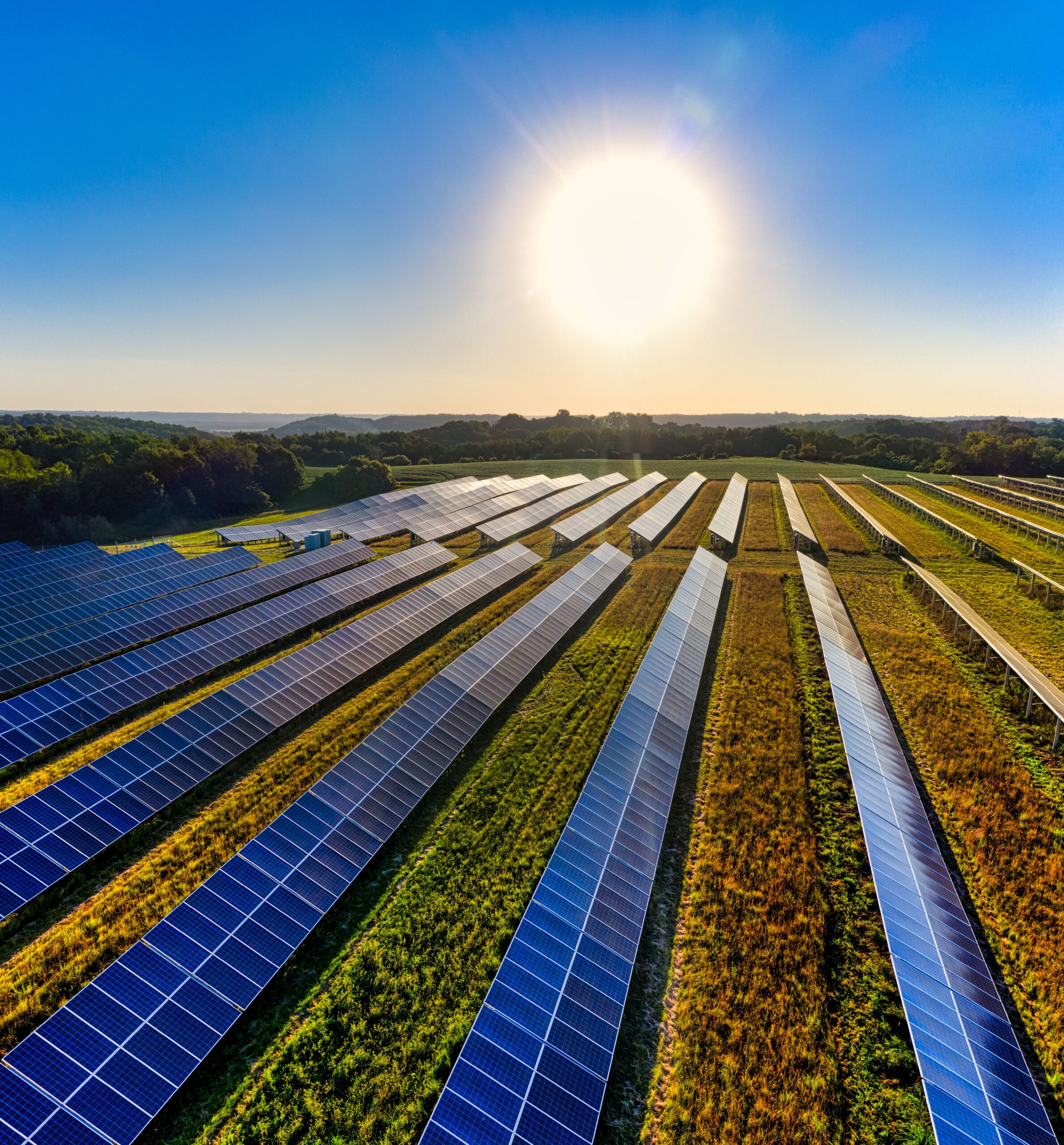
Britain’s solar expansion is intensifying the need for storage capacity. Electric Insights data shows stronger daytime renewable output increasingly giving way to tighter, more expensive evening periods.
-
Ofgem proposes a commitment fee for oversubscribed battery connection projects. Around 90GW of operational and queued capacity compares with a projected 29GW storage requirement by 2035.
-
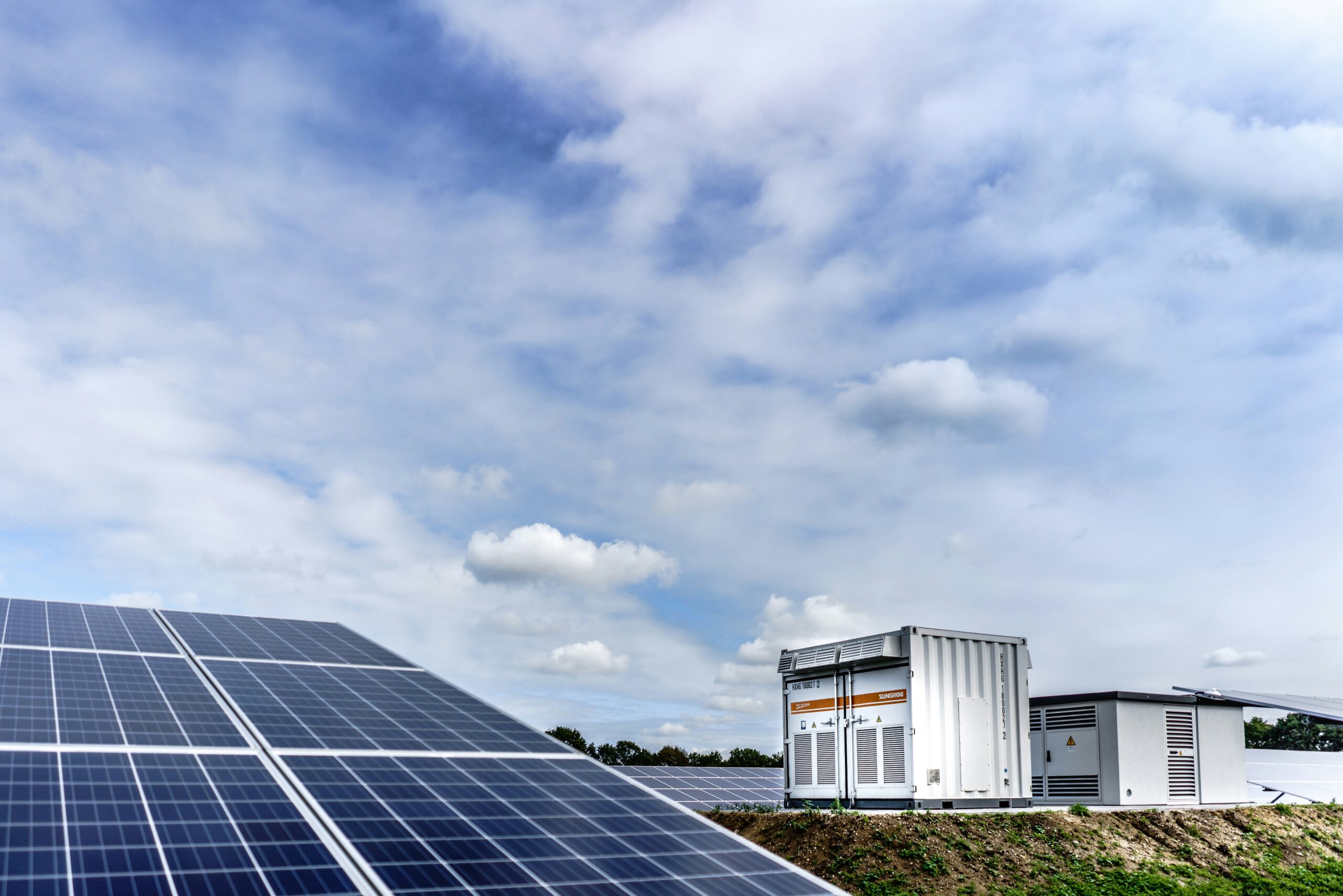
Construction has started on Finland’s 125MW AKKU One battery project. The 300MWh standalone system is scheduled for commissioning in late 2027, with Delta Capacity managing construction delivery and commercial optimisation.
-
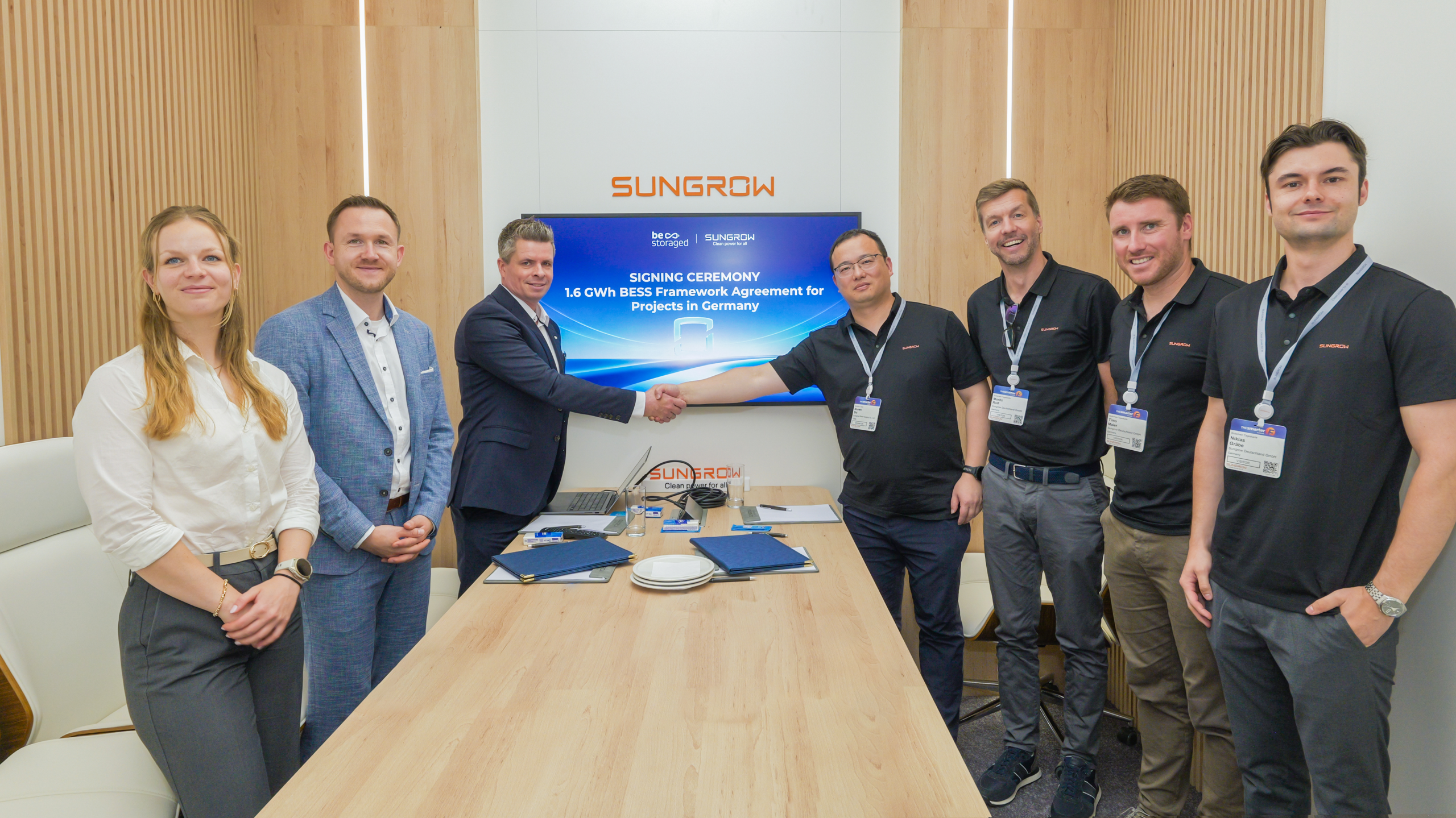
Sungrow and be.storaged plan 1.6GWh of German battery projects together. Their two-year framework is intended to standardise engineering, technical coordination, construction, commissioning, and equipment integration across multiple large-scale schemes.
-
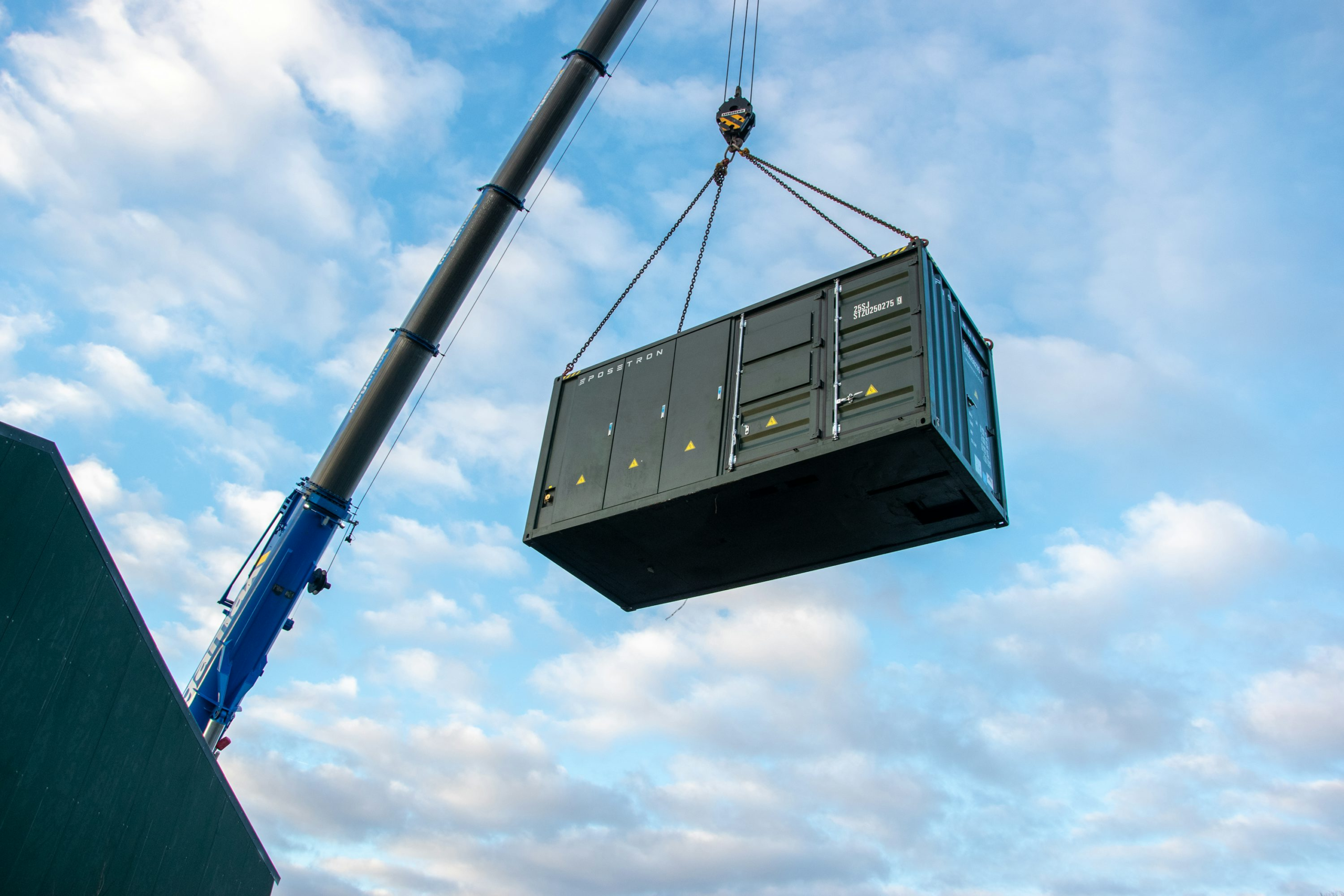
Jupiter Power has secured $1.4 billion across four financing transactions. The packages support ten Texas and Michigan battery projects totalling 1.5GW/3.6GWh across operating and construction-stage portfolios.
-
Grenergy has expanded two Spanish storage platforms through new acquisitions. Iberian Oasis now comprises 1GW of solar and 3.2GWh of storage, while Greenbox has reached 10GWh under construction or advanced development.
-
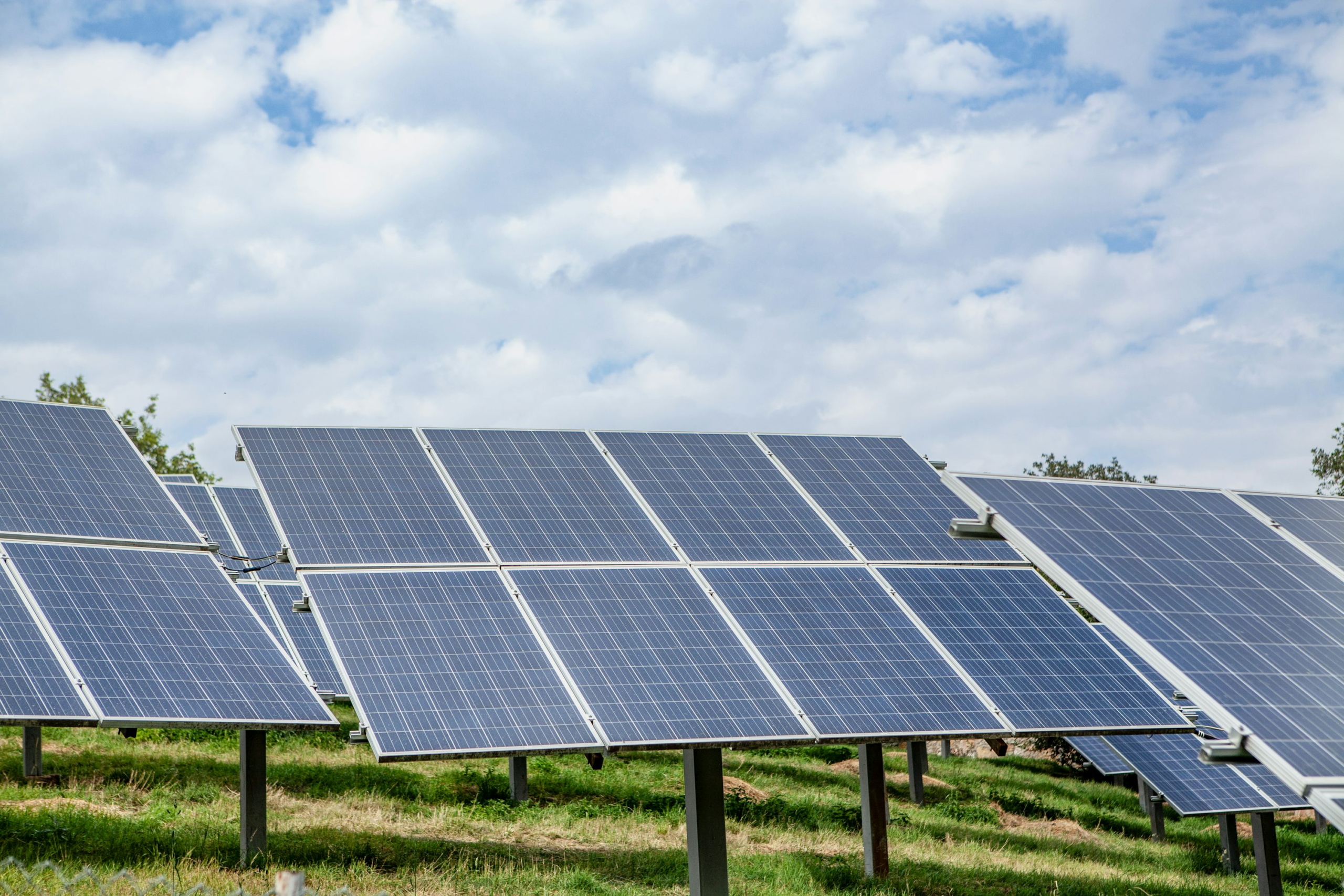
Salzgitter has contracted hybrid renewable capacity for low-carbon steelmaking operations. Two German projects will combine 147MW of solar generation with 79MW/237MWh of batteries controlled by the steelmaker.
-
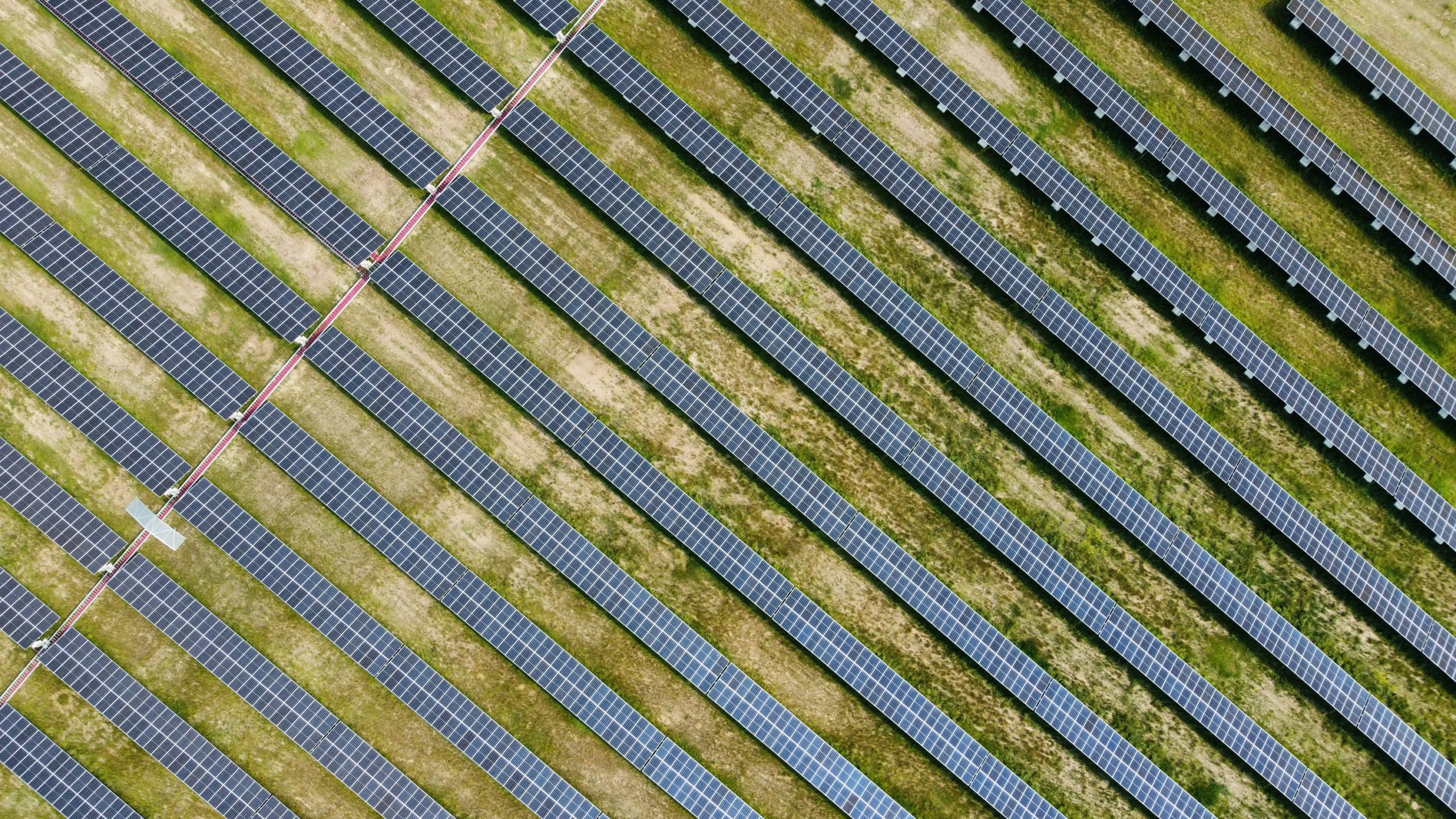
OCP has energised Morocco’s first large-scale LFP battery storage system. The 25MW/125MWh installation will shift solar generation into higher-demand industrial periods.