
Energy
—
-

Norway is accelerating its review of floating offshore wind subsidies. The Utsira Nord assessment will now accompany October’s state budget, bringing scrutiny forward significantly.
-
Aukera has reached financial close on a 44MW German project. The Rhineland-Palatinate development spans four municipalities, advancing another financed solar asset in the company’s German portfolio.
-
Germany’s offshore wind sector wants CfDs to become auction standard. BWO’s formal response also seeks indexation, a controlled award-return mechanism, and firmer treatment of project risk.
-

Ukraine has expanded renewable support while advancing EU market integration. A new Energy Community assessment also records a 1.5GW-plus generation tender and more than 200 electricity-market alignment measures.
-
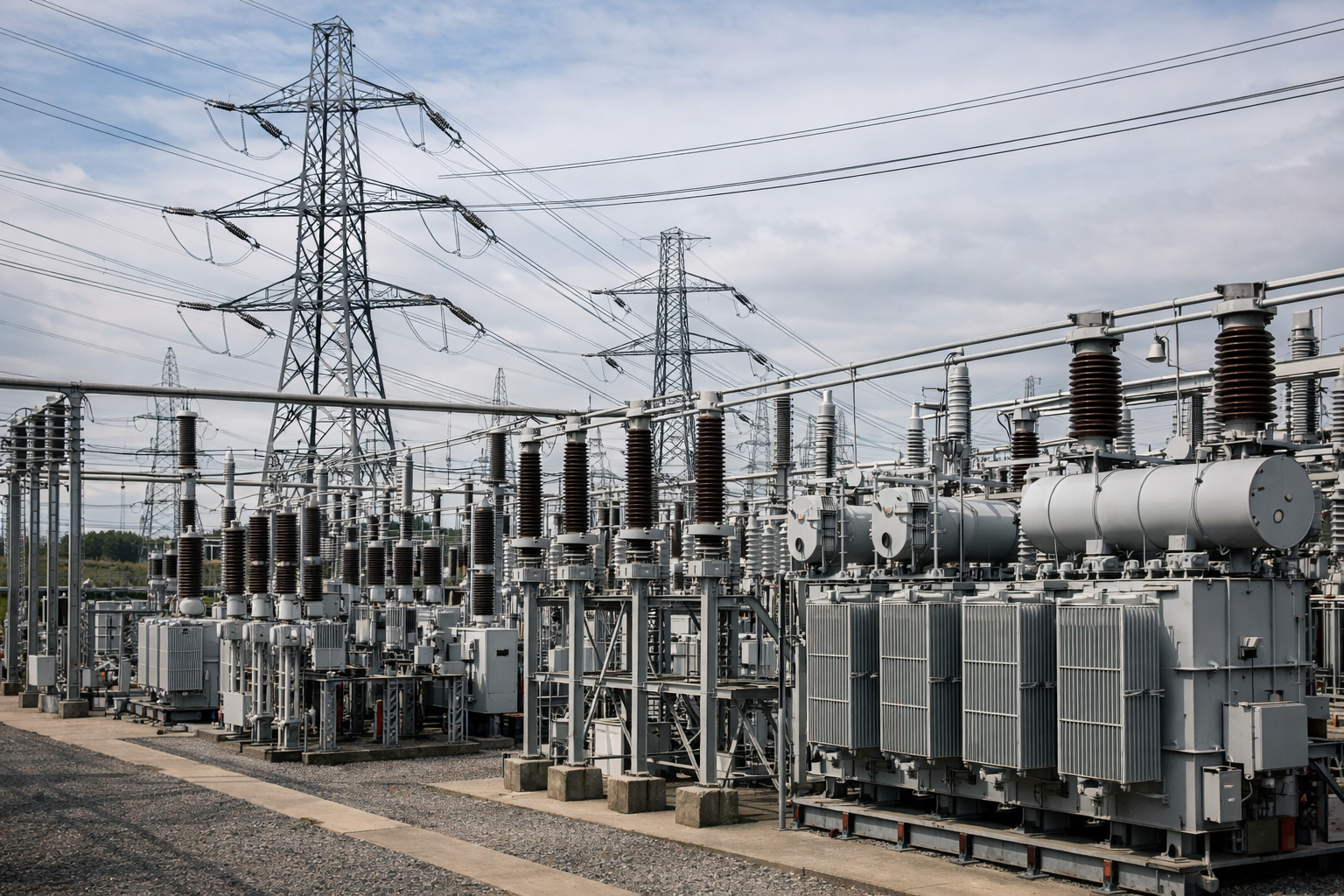
Electromontaj has completed Romania’s first two transmission-level STATCOM installations early. The ±150MVAr systems at Sibiu Sud and Bradu add dynamic voltage control as renewable penetration increases.
-
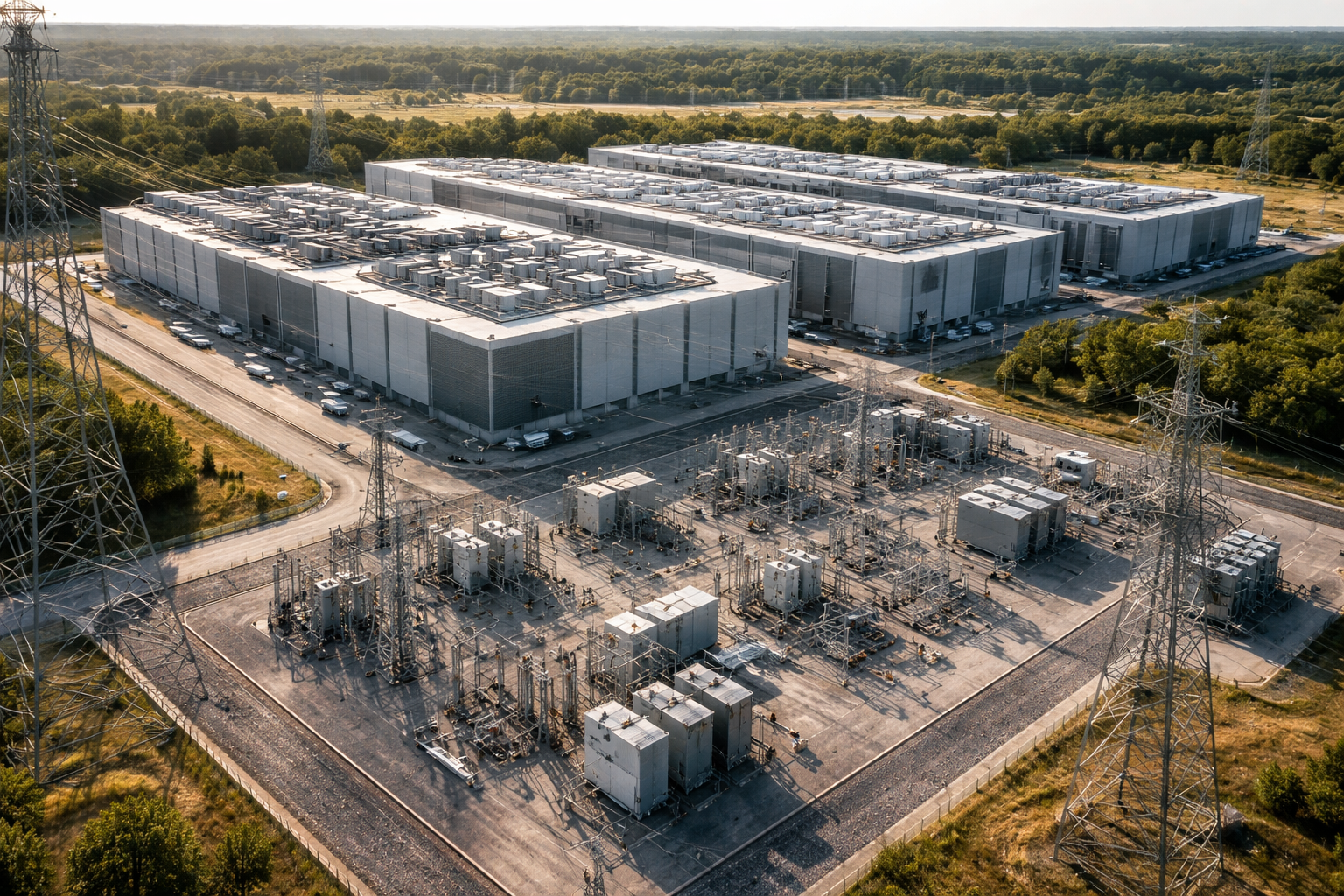
NSW proposes electricity reforms for a 28GW data-centre connection pipeline. The measures would change connection planning, network cost recovery, and demand obligations as proposed loads exceed existing system assumptions.
-
Litgrid has opened procurement for Lithuania’s largest electricity substation project. Gižai will introduce 220kV operation to Lithuania’s transmission system and connect the planned 700MW Harmony Link with Poland.
-

Arevon has started operations at its four-hour Nighthawk battery project. The 300MW/1,200MWh California facility is now the company’s largest standalone storage asset and operates under a long-term PG&E agreement.
-
BW ESS has acquired Yanco’s ready-to-build four-hour battery storage project. Construction of the 250MW/1,000MWh system is due to begin later in 2026 ahead of commercial operation in 2028.
-
NextEnergy UK has acquired three commissioned battery storage projects outright. The 107MW/151MWh portfolio spans Maldon, Loudwater, and Basildon, adding operating assets with Capacity Market contracts to its growing storage exposure.