
Electrical Engineering
—
-
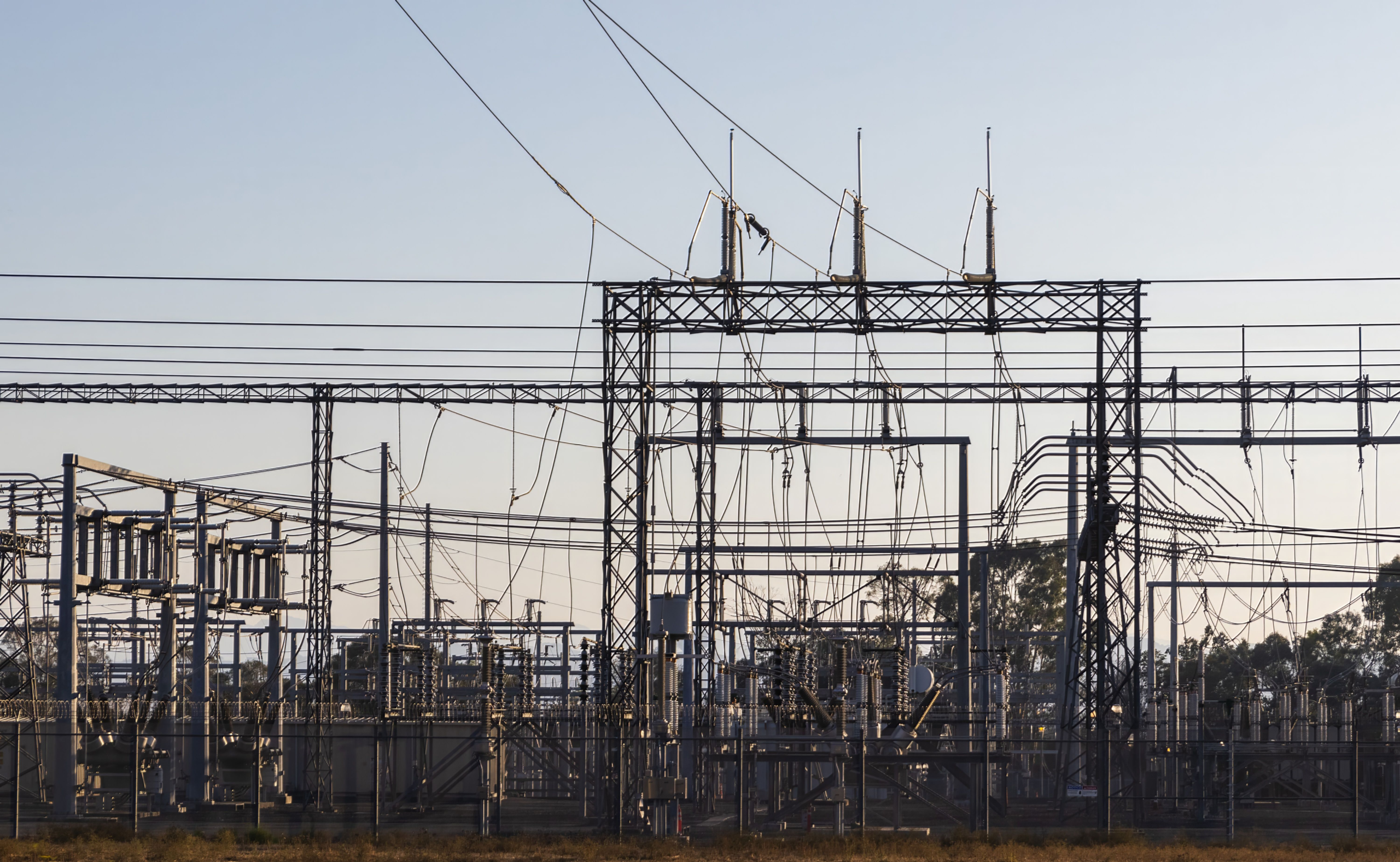
Great British Energy has widened its £300m manufacturing support fund. Seventeen additional offshore wind and network components are now eligible for capital grants supporting UK production capacity.
-

Caverion will deliver a 70MW substation for Nebius in Finland. The €15 million project will connect a second Mäntsälä data centre to the electricity network by autumn 2027.
-

COPA-DATA will demonstrate software-defined grid automation at Enlit Europe 2026. Zenon 16 will span IEC 61850 substations, virtualised control, DMS, renewable assets, cybersecurity, and IIoT services across mixed-generation infrastructure.
-

Three partners have aligned US data centre power delivery systems. Wärtsilä, Schneider Electric, and Stanley Consultants are combining onsite generation, electrical infrastructure, automation, engineering, and project execution around high-density AI loads.
-

Scottish Fire headquarters now uses onsite solar and battery storage. The 340 kWp Cambuslang installation is expected to generate about 296,000 kWh annually and cut energy costs by more than £63,000.
-
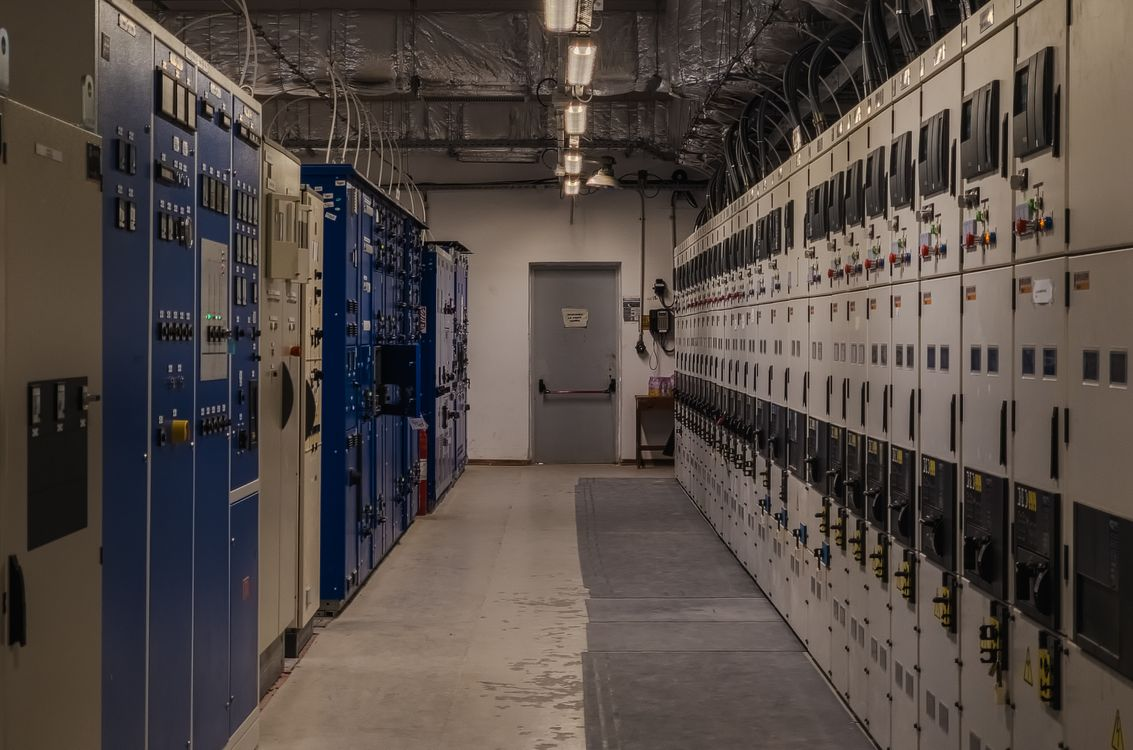
Applications have opened for Britain’s new industrial electricity support scheme. Eligible manufacturers can seek exemptions from selected policy costs, with the first bill relief scheduled from April 2027.
-

Eaton expands its Schrems factory for European electrical equipment production. The 5,000 m² addition brings automated miniature circuit breaker manufacturing, extra low voltage assembly capacity, digital integration, and complete product traceability.
-
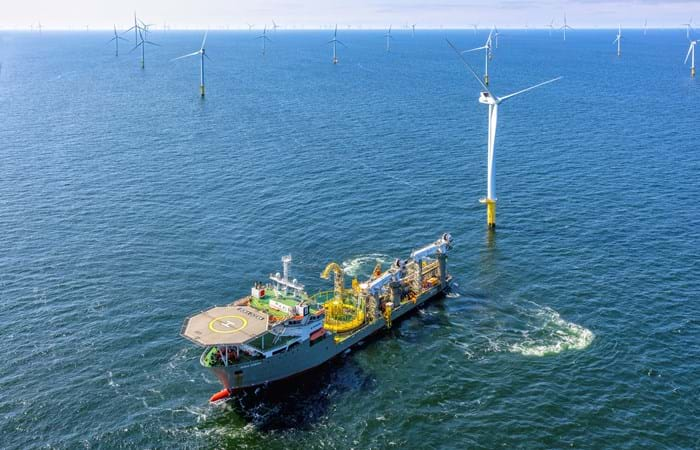
Boskalis will install Zeevonk’s 66 kV offshore array cable system. The contract covers about 149 km of inter-array cable connecting 69 turbines, plus testing, termination, route preparation, burial, and protection works.
-

Swissgrid halved procurement costs while continuing major transmission grid investment. The operator invested CHF164.8 million during the first half of 2026 as balancing reforms, improved forecasting, and AI optimisation reduced operating costs.
-
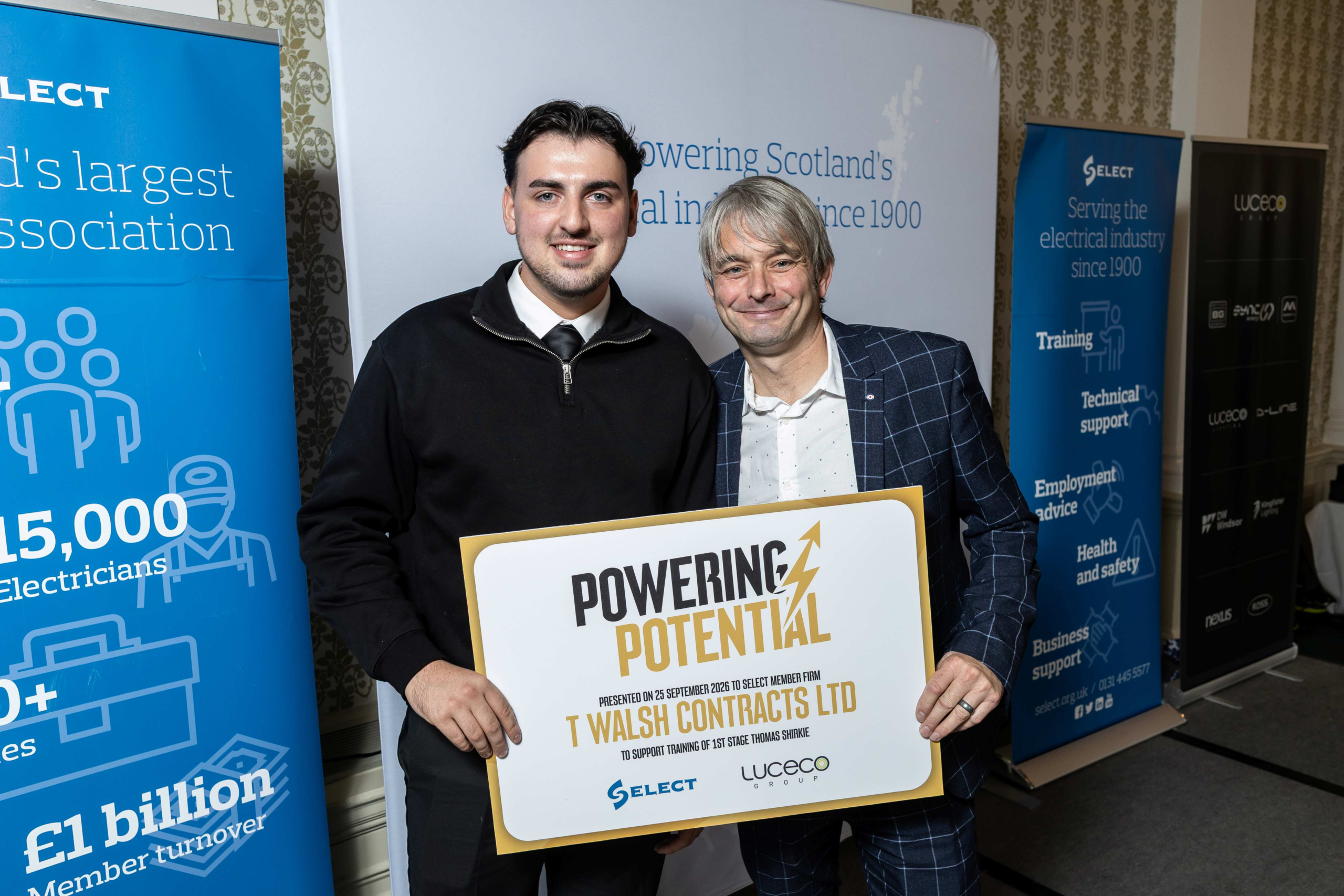
SELECT and Luceco have launched £18,000 electrical apprentice funding support. Three Scottish contractors will each receive £6,000 towards first year employment costs.