
News
—
-
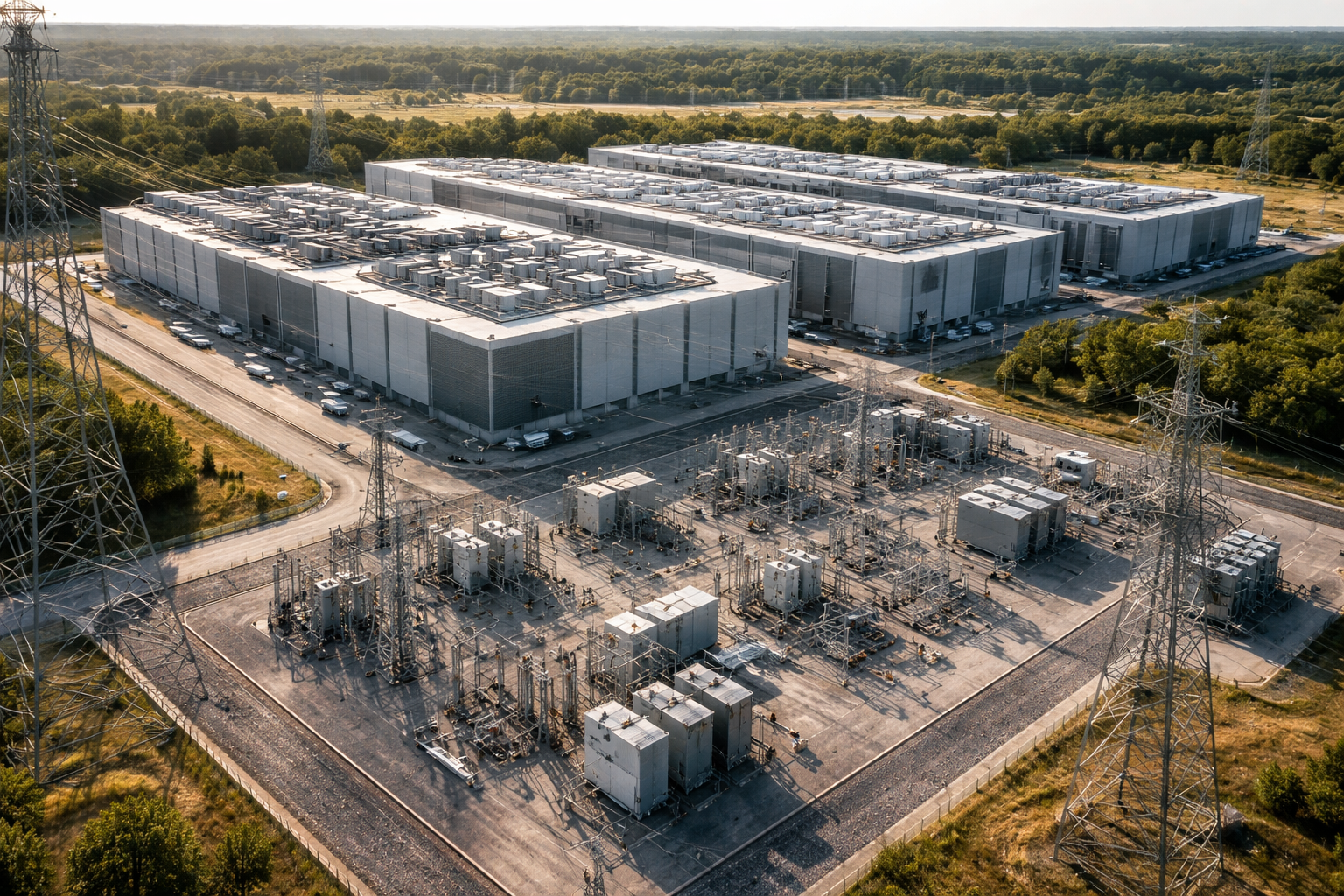
Data-centre batteries could materially reduce pressure on constrained electricity networks. Analysis of 96 British facilities indicates that onsite storage could lower their peak grid imports by between 10% and 15%.
-

Wave energy has reached a significant independent certification milestone offshore. CorPower Ocean’s C4 converter has completed a seven-year assessment covering design, manufacture, deployment, operation, and survival in extreme sea conditions.
-
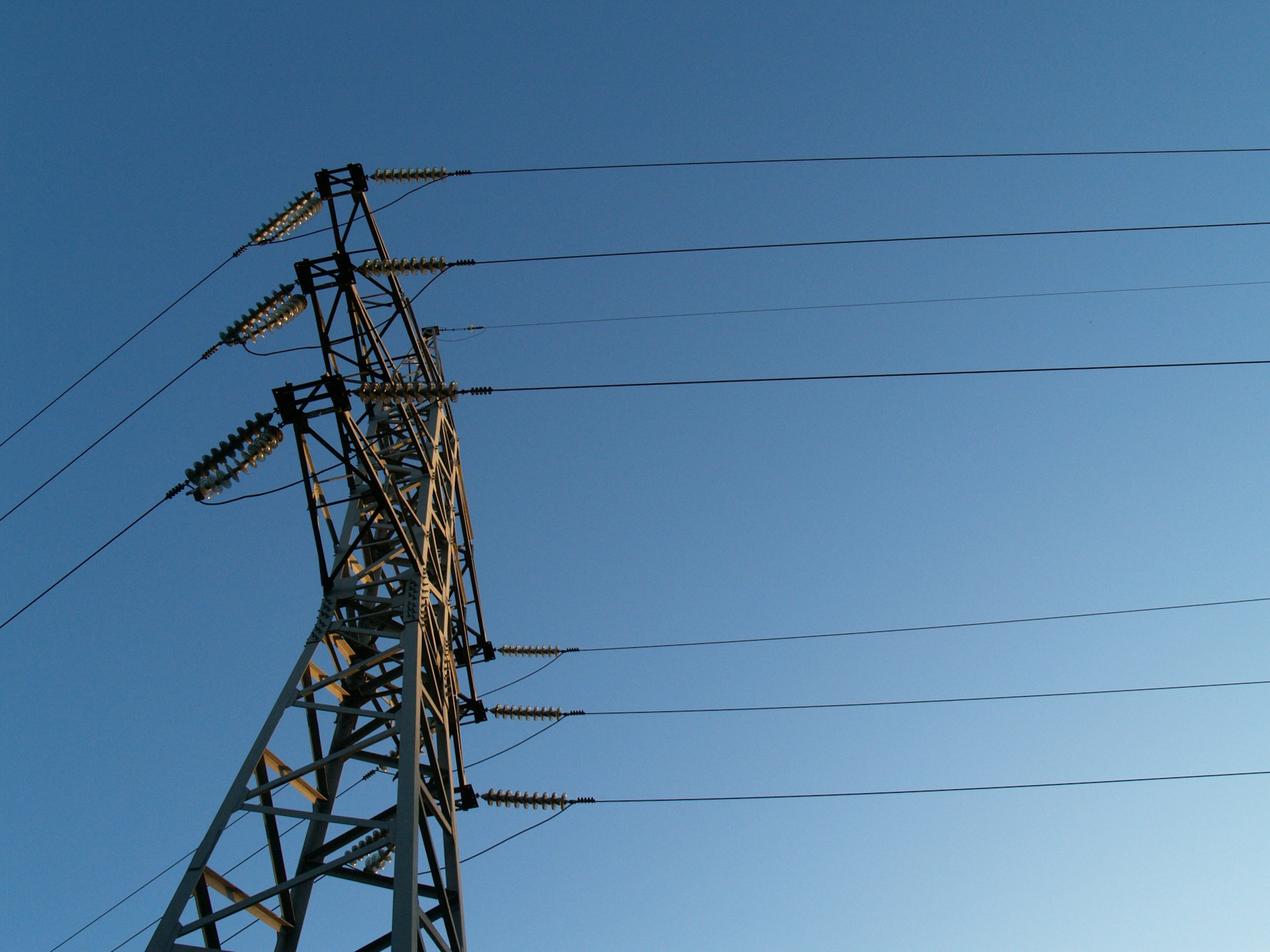
Italian electricity demand is rising alongside industrial and renewable output. June brought the highest demand recorded for the month in a decade, while solar capacity and battery installations continued to expand.
-
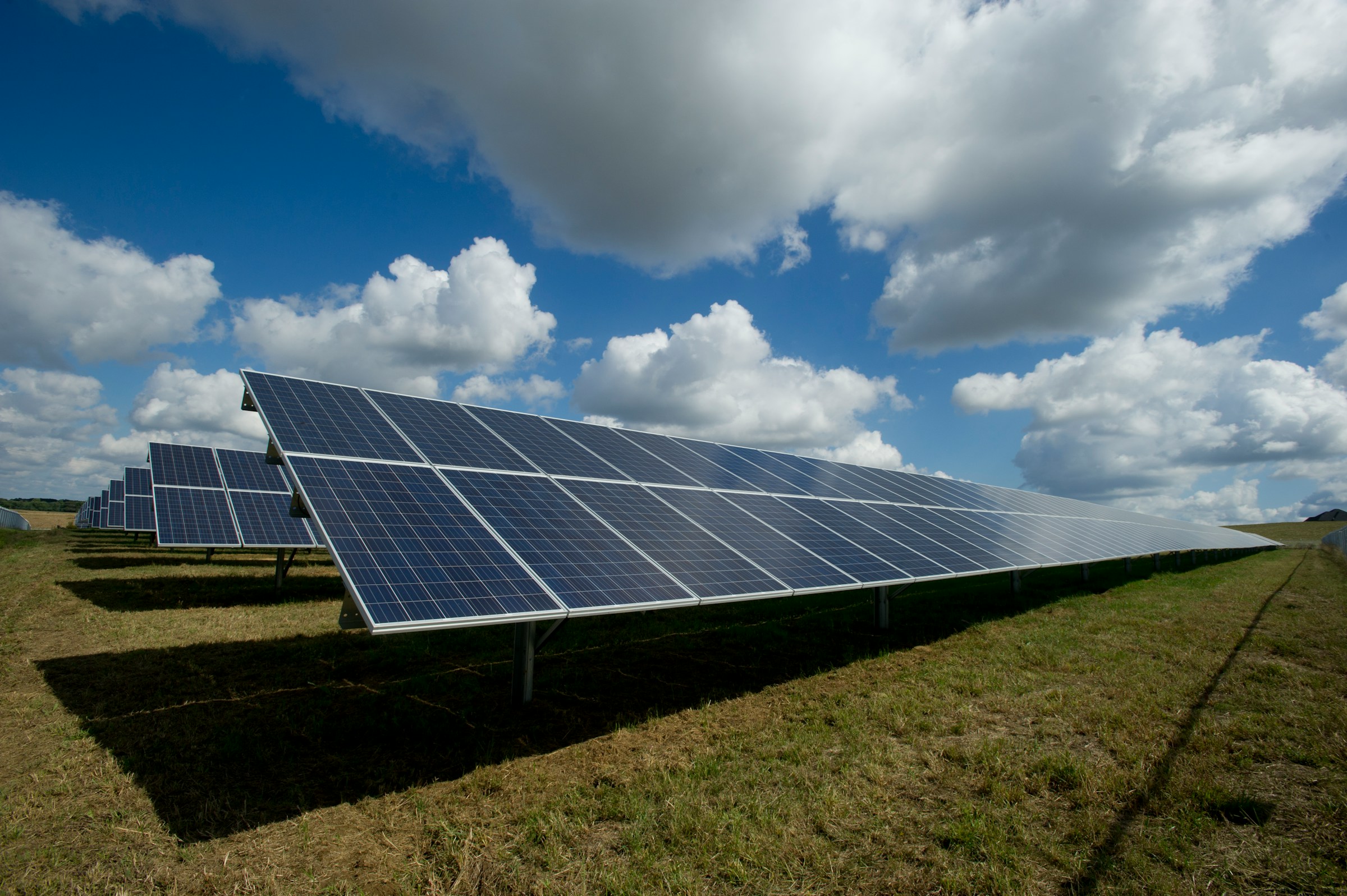
Latvia’s storage build-out is moving into utility-scale hybrid infrastructure delivery. Ignitis Renewables will combine a 107MW battery system with the 174MW Tume solar farm and its existing grid connection.
-

Germany’s offshore wind fleet has passed another major deployment threshold. More than 1GW entered operation during the first half of 2026, although a much larger awarded pipeline still awaits final investment decisions.
-
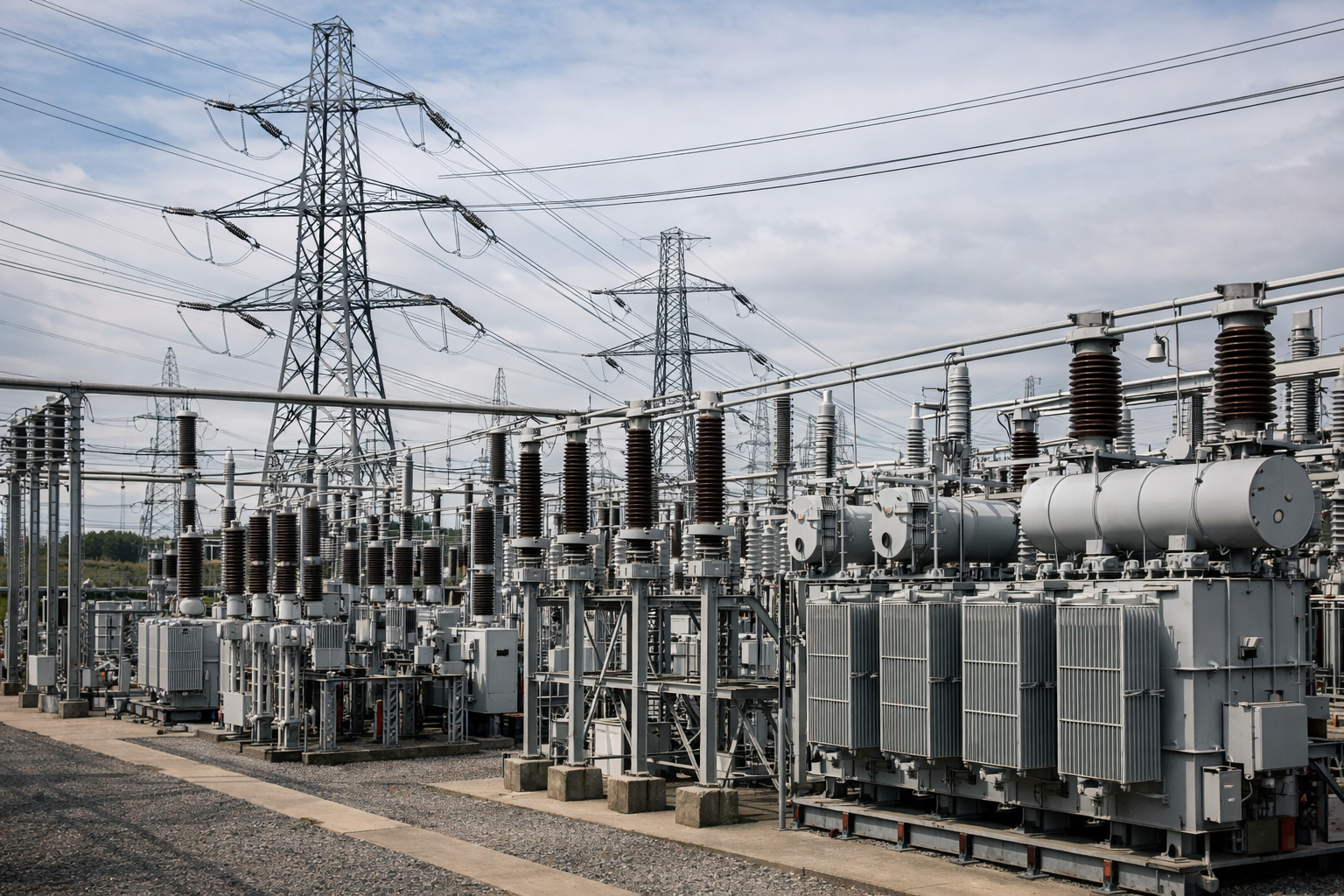
Romania’s battery pipeline is shifting decisively into large-scale construction activity. Projects totalling hundreds of megawatts are advancing through financing, engineering, and procurement as solar deployment increases demand for flexible network capacity.
-
Hybrid storage is moving beyond batteries into faster grid control. Acciona Energía is pairing lithium-ion capacity with ultracapacitors to deliver rapid frequency, voltage, and virtual-inertia support at renewable sites in Navarra.
-
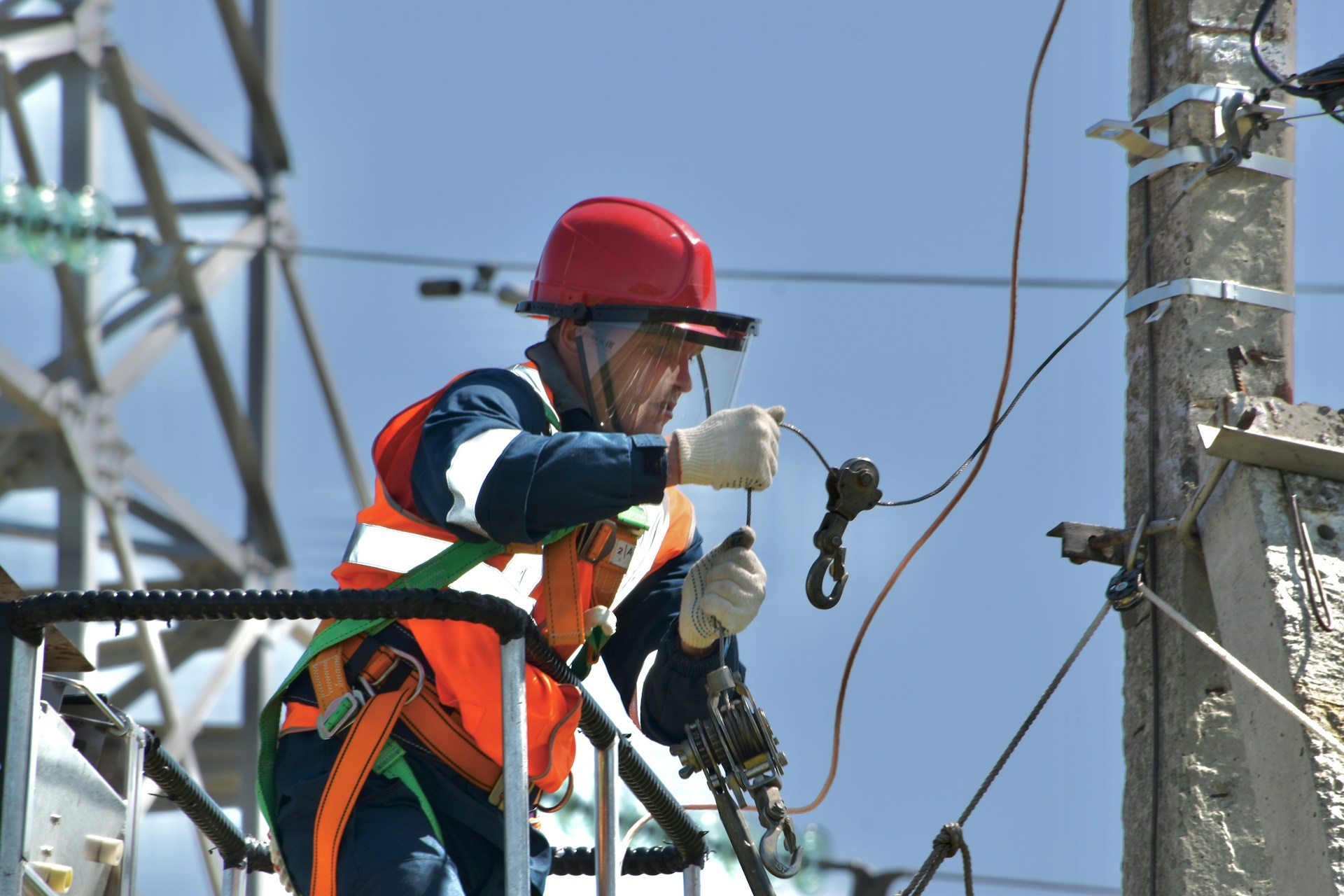
JIB has taken electrical competence standards directly into Parliament again. Its intervention links clean-energy investment with verified skills, safety, fair employment, and structured workforce development.
-

Siemens has introduced semiconductor-based circuit protection to Britain’s market portfolio. SENTRON ECPD combines rapid fault interruption with switching, measurement, communication, diagnostics, and remote operational functions.
-
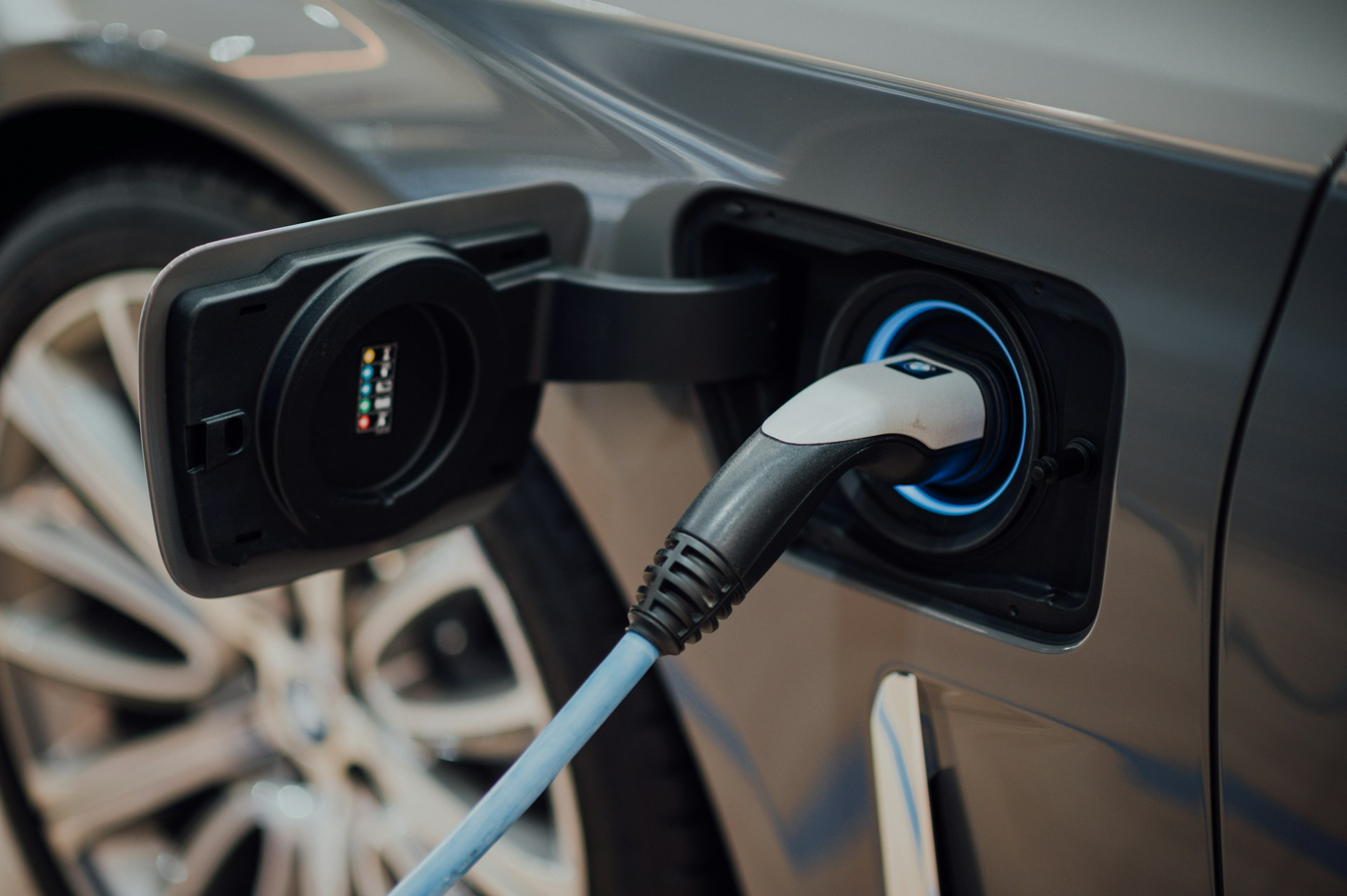
UK Power Networks has substantially expanded its charging-planning digital platform. New connection insights give councils earlier indications of site viability, likely cost, eligibility, and delivery timescales.