
News
—
-

Romania has authorised emergency electricity controls during August system stress. Transelectrica may reduce export capacity and, as a last resort, limit specified large industrial consumers between 19:00 and 23:00.
-

Norway plans to halve electricity grid development times across regions. A two-year NVE licensing deadline, simplified assessments, and project prioritisation sit alongside changes intended to accelerate onshore wind construction.
-
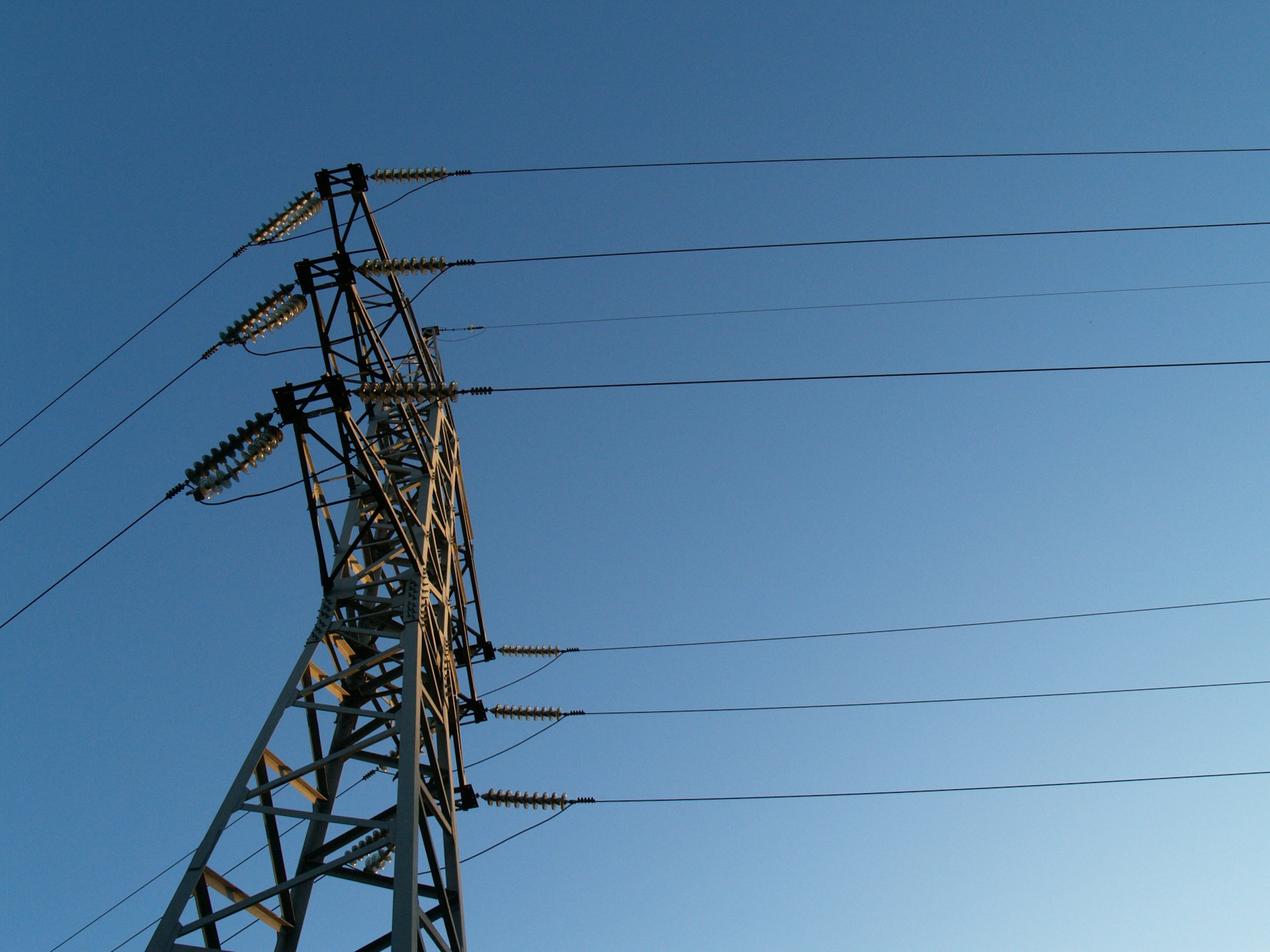
Ireland’s Celtic Interconnector is now due to commission in 2028. Energy minister Darragh O’Brien is pressing EirGrid for clearer explanations as difficult seabed conditions and heavier trenching keep the 700MW France link on a late-2028 path.
-
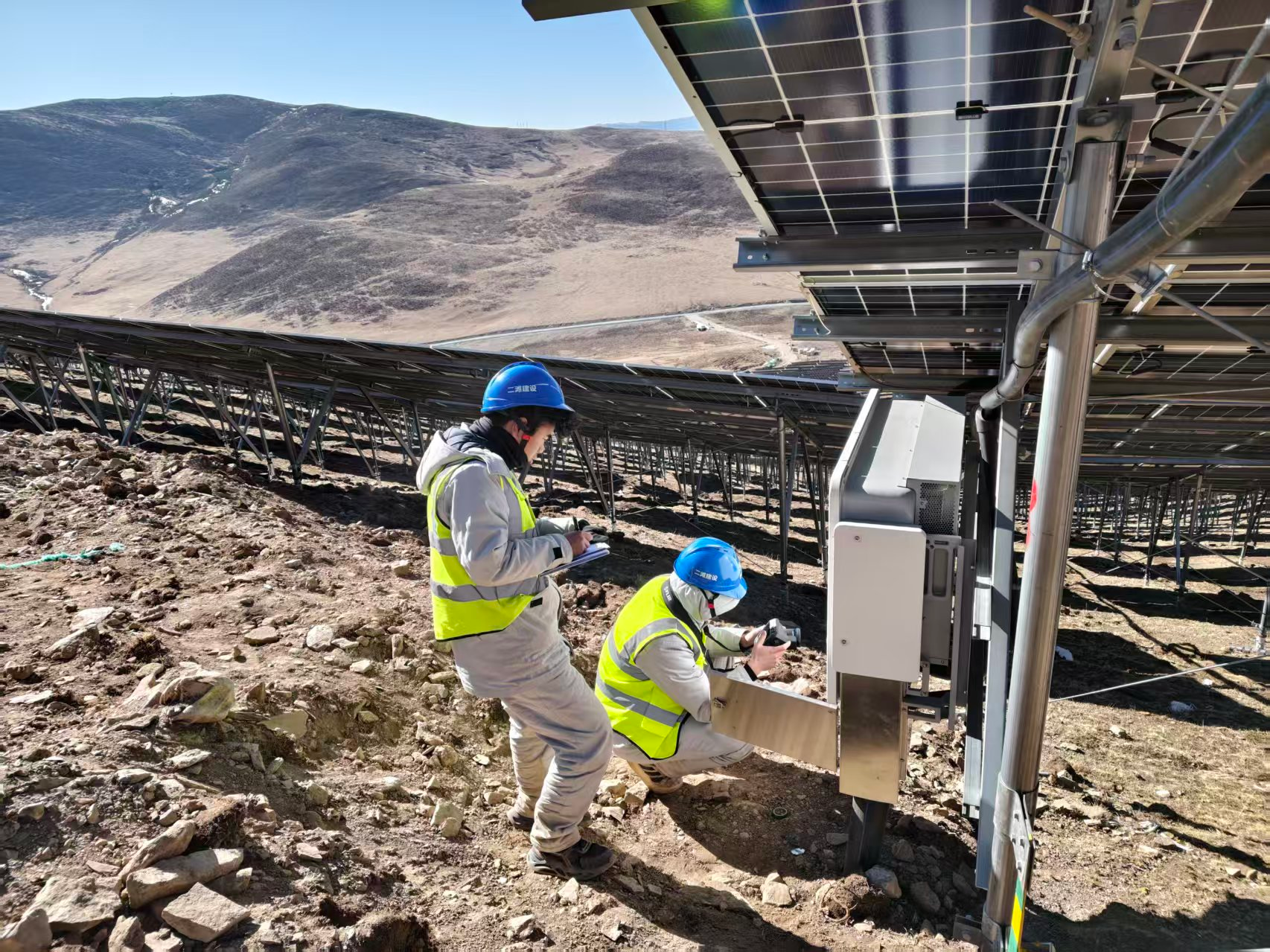
Flir’s Chinese field case applies thermal imaging across photovoltaic maintenance. The feature examines defect detection, inspection safety, and the limits of supplier-reported results.
-
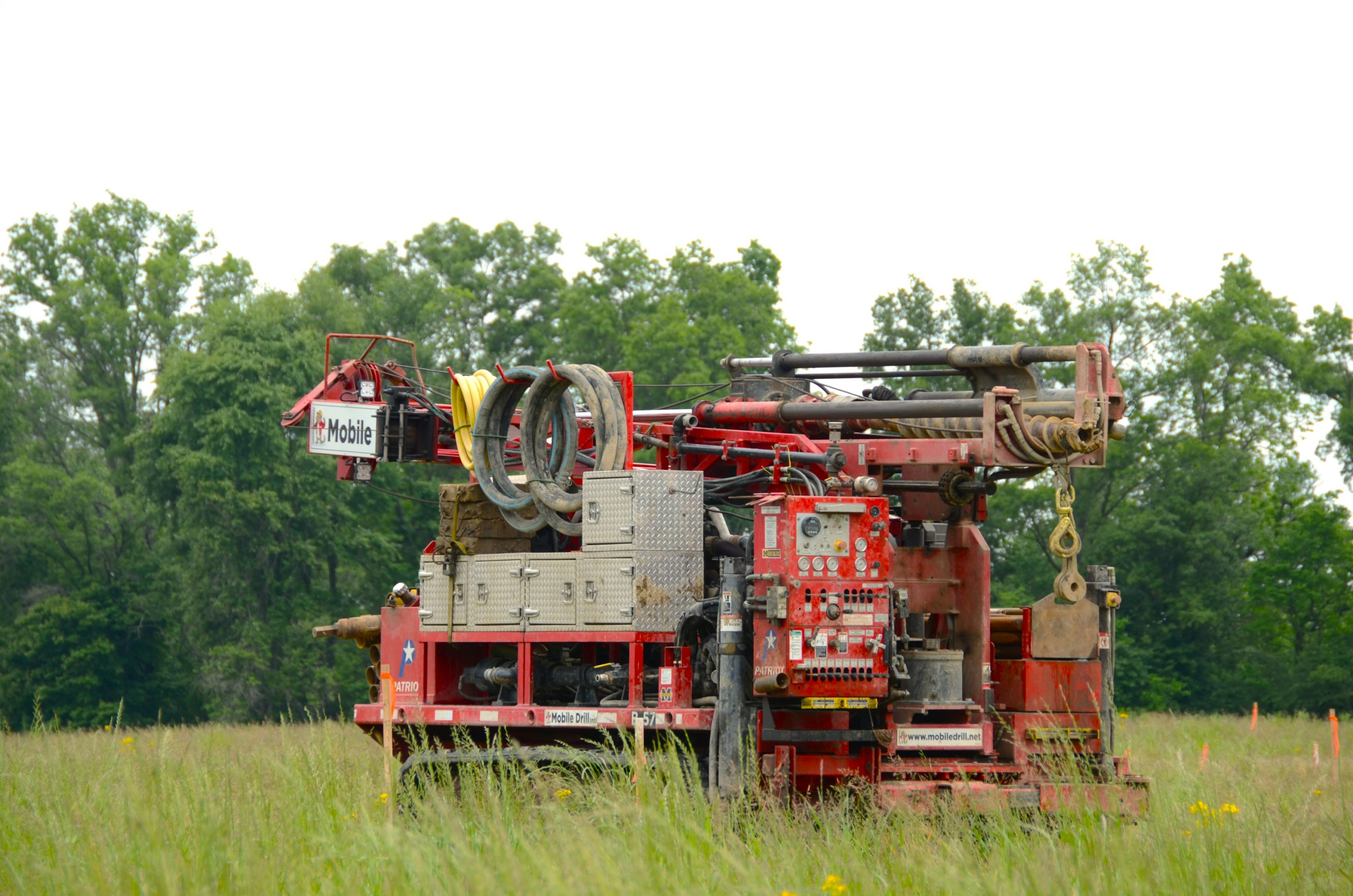
Government plans could simplify preliminary surveys for English network projects. Proposed permitted development rights would cover specified temporary, low-impact investigations.
-

Econergy has secured £42.7 million for its Immingham battery project. EDF will optimise the 80MW/240MWh asset under two ten-year revenue-floor agreements.
-
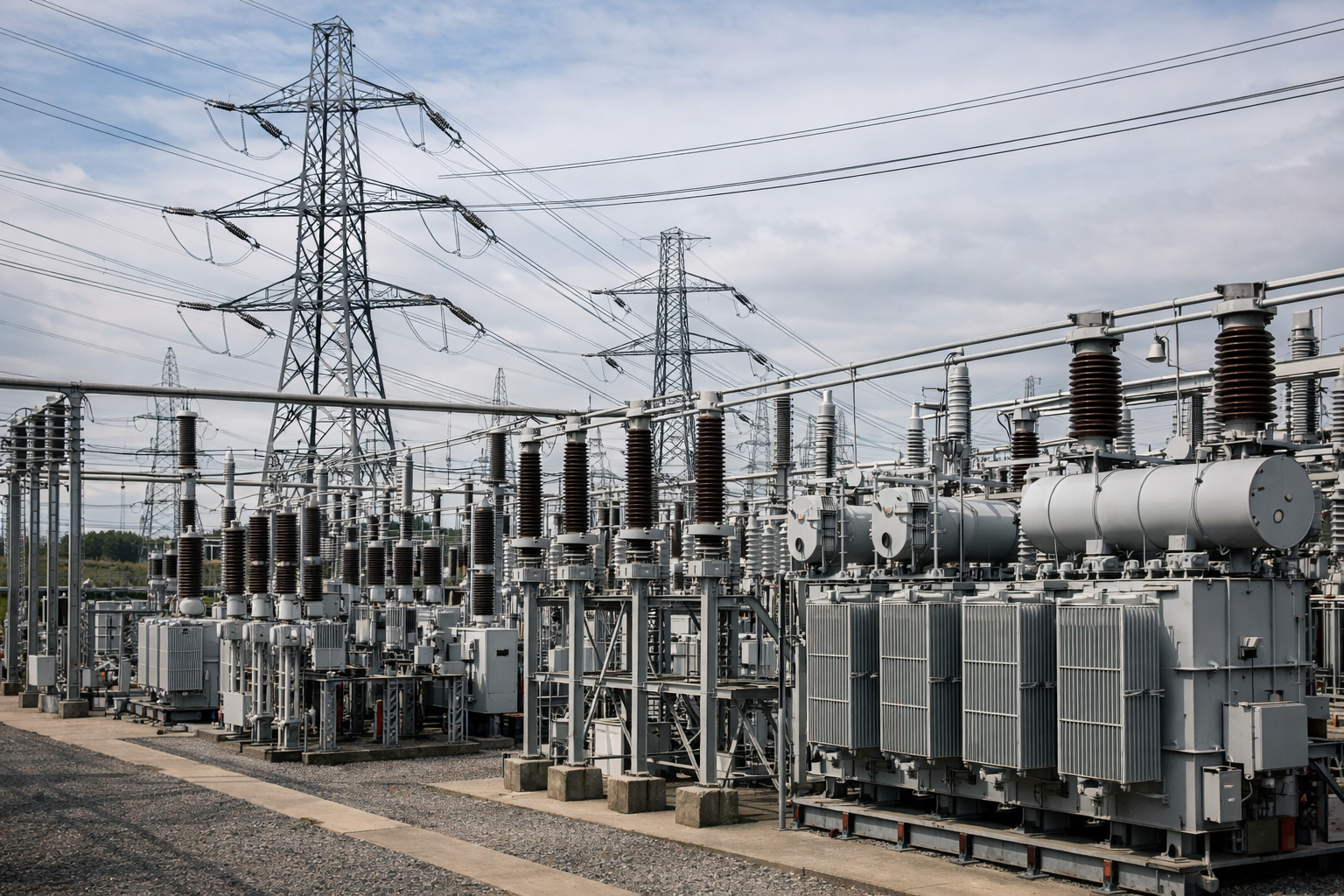
NESO plans to combine margin and constraint flexibility across Britain. The Local Constraints Market will progressively move into one national service.
-
ABB has invested in LevelTen’s clean-energy procurement and transaction platform. The partnership connects renewable contracting with industrial electrification and advisory services.
-
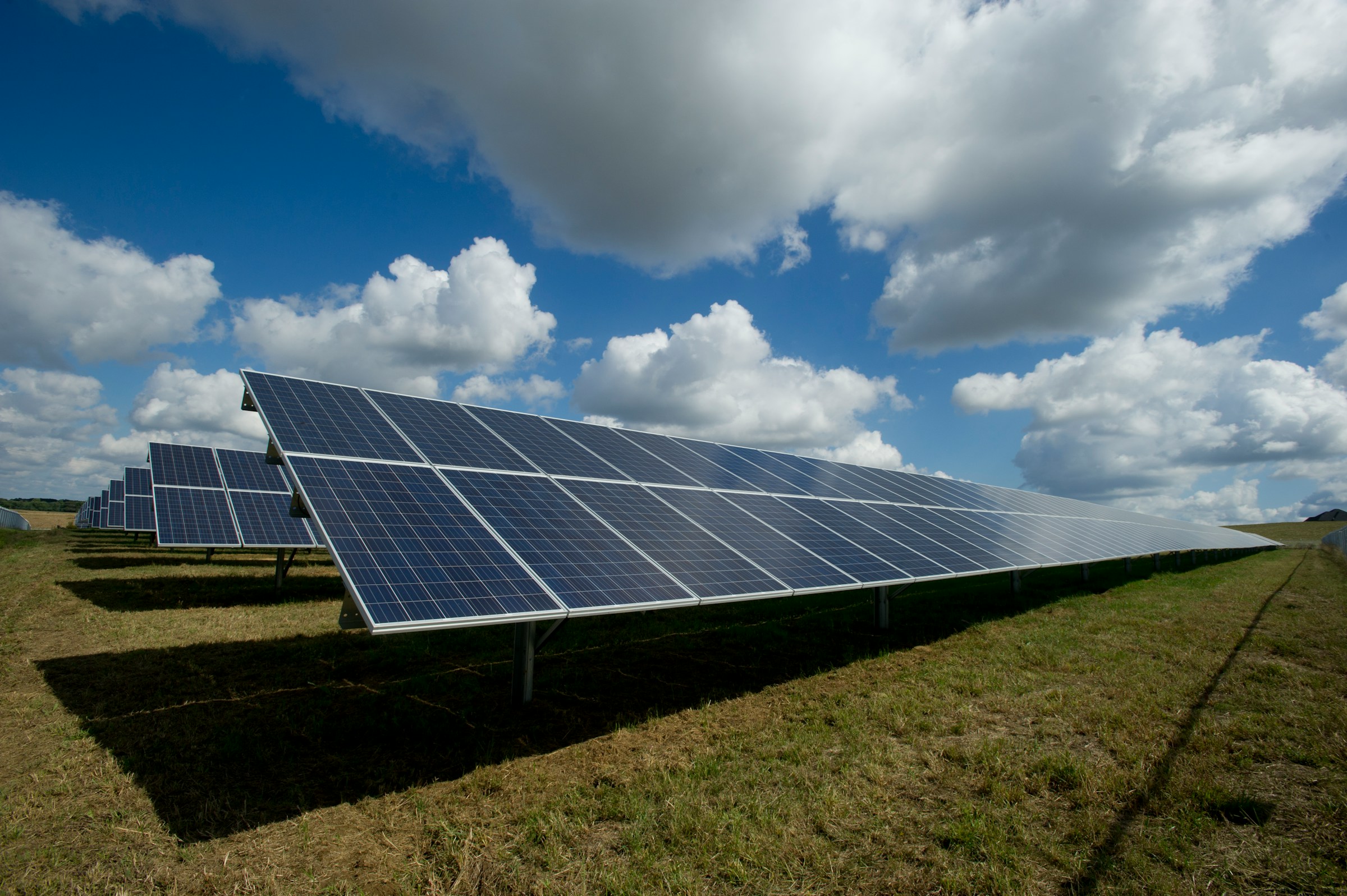
Red Eléctrica expects Spain’s eclipse to reduce solar output substantially. The system operator forecasts a 5GW maximum reduction on 12 August.
-
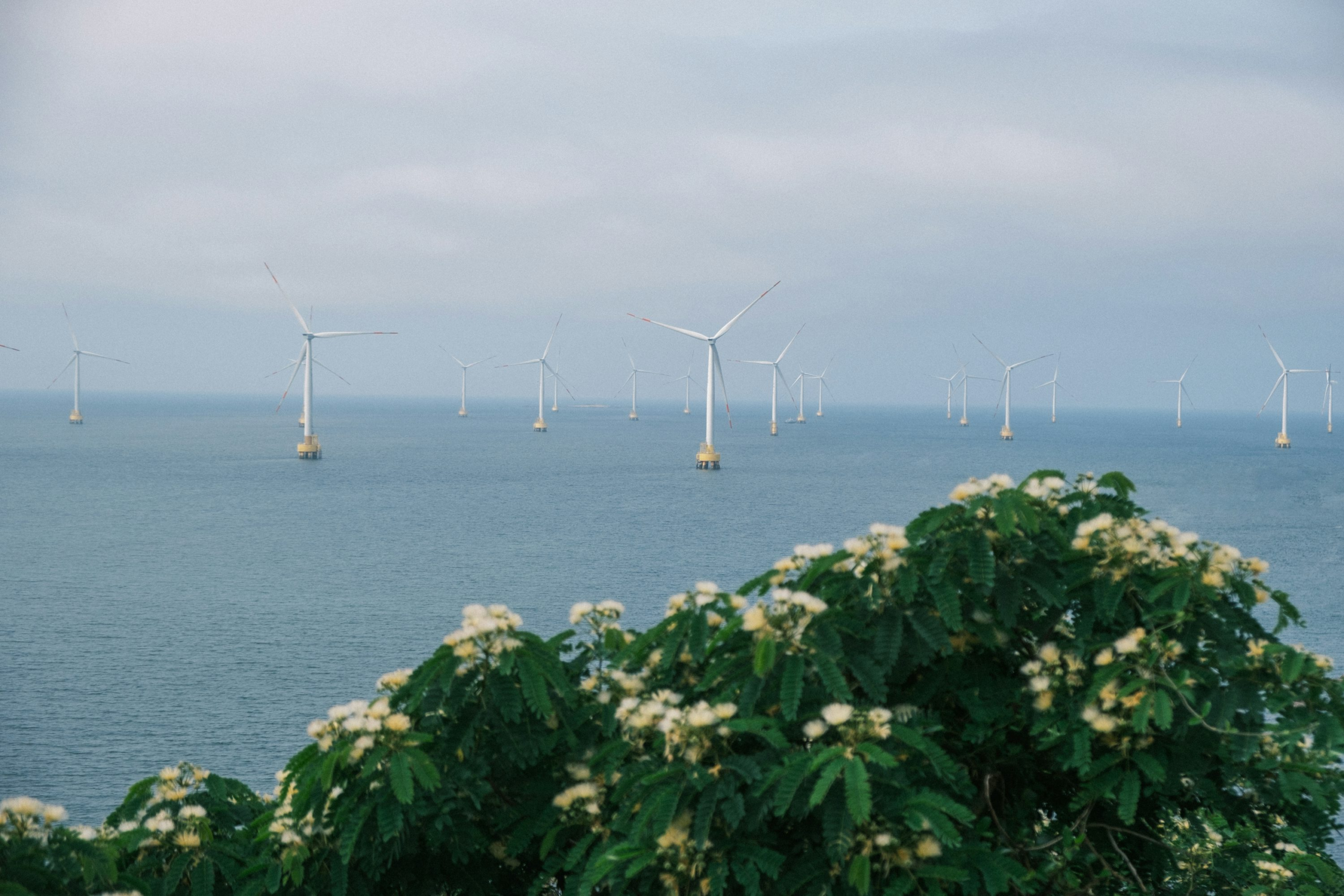
Vattenfall is tendering offshore inspection services across four European markets. The ROV and seabed-survey framework is scheduled to begin in June 2027.