
News
—
-

North Sea cable planning is shifting from bilateral to basin-wide coordination. A new TSO agreement points to deeper cooperation on offshore cable infrastructure as offshore wind volumes rise.
-
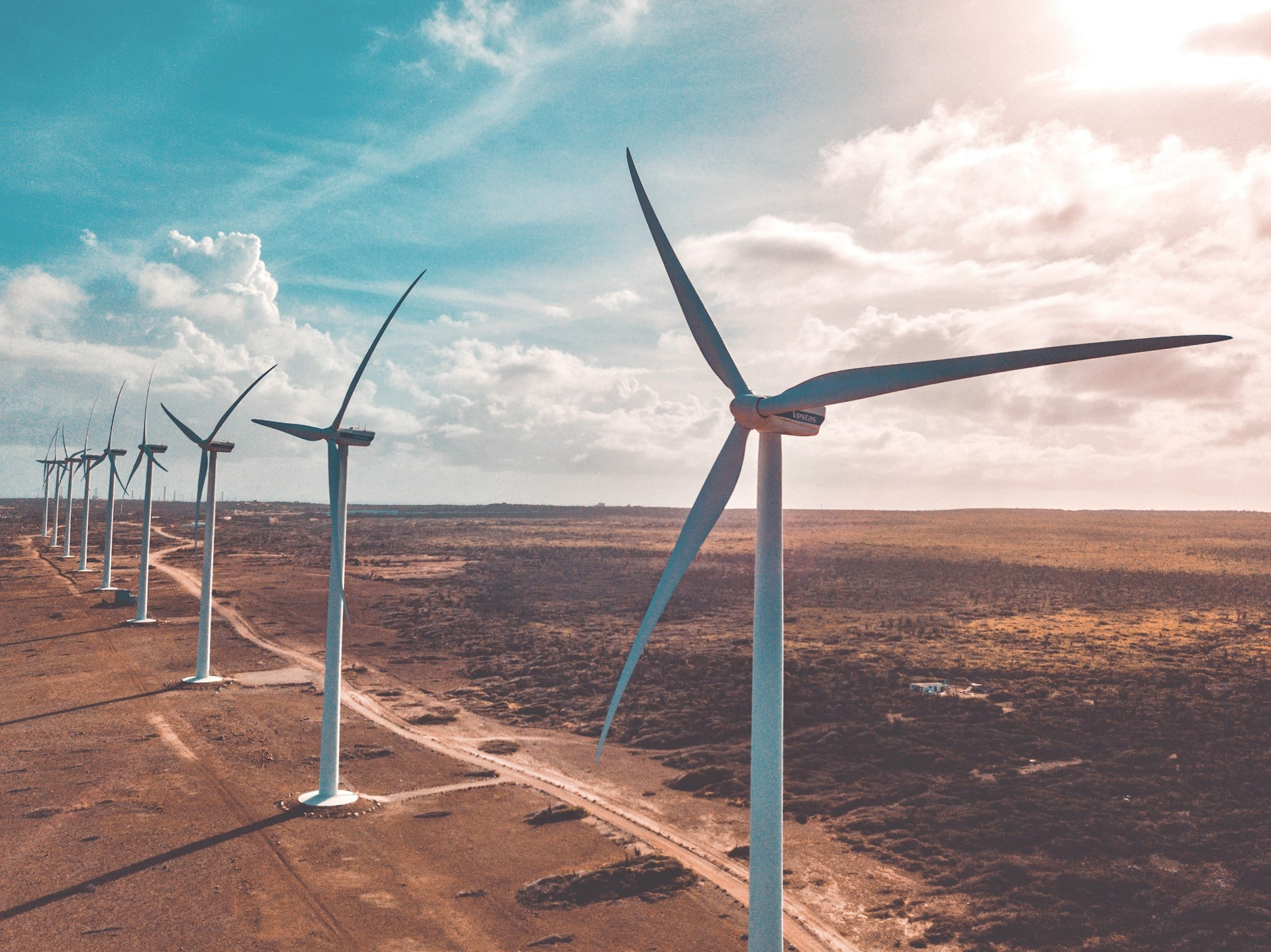
RES is backing wind sector recruitment through student engagement. The programme links future talent directly with operations, careers, and the wider energy transition.
-

A strategic supplier model is moving deeper into offshore wind. Hitachi Energy and Ørsted are formalising a longer-term approach to integrated electrical system delivery.
-
Siemens and Vulcan are deepening Lionheart’s automation partnership. The agreement links lithium production, renewable energy, heat output, and industrial digitalisation.
-
Germany’s capacity debate is sharpening around long-duration battery storage. New modelling places storage directly against gas in future security-of-supply procurement.
-
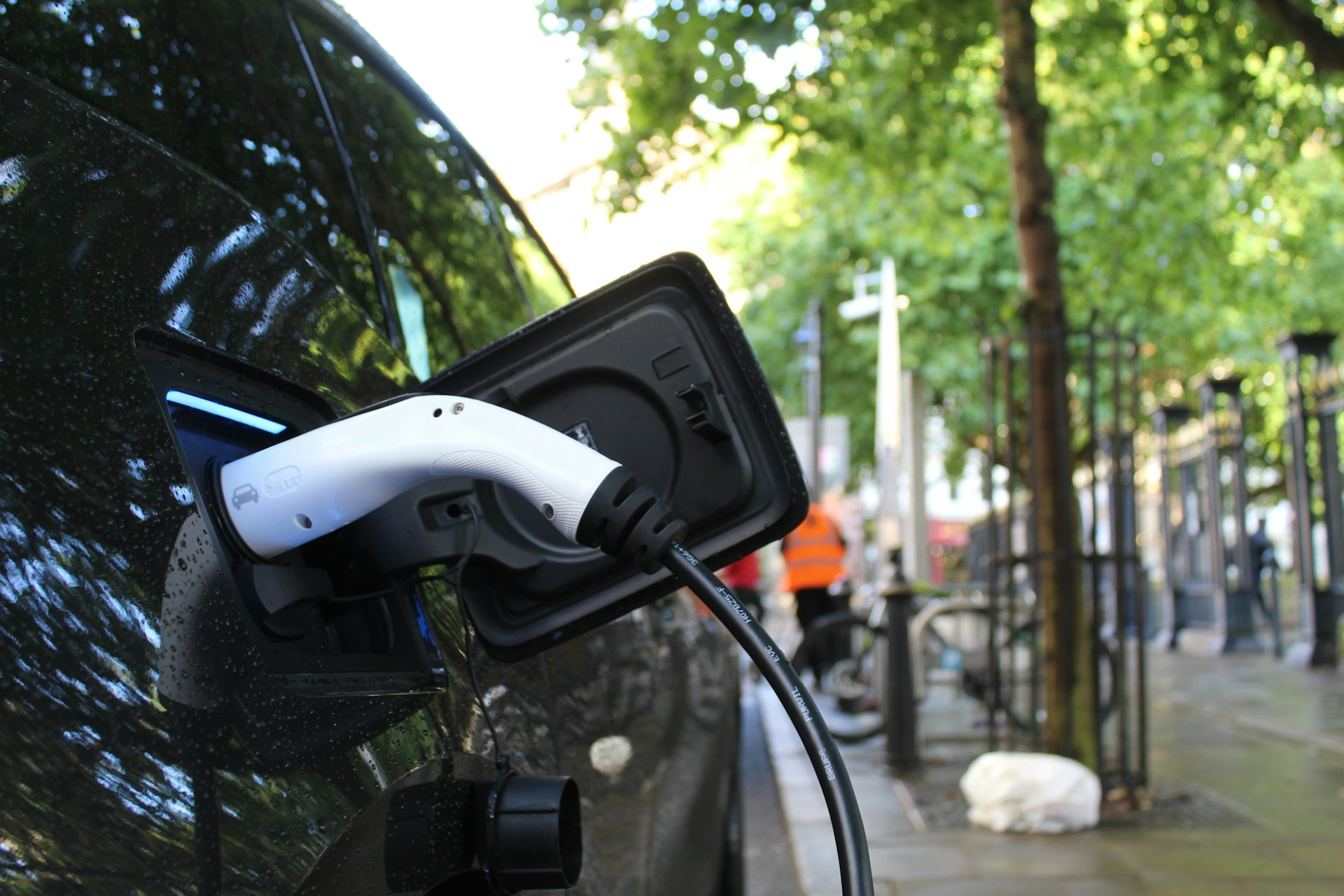
New charging rules could ease one persistent barrier to adoption. Proposed planning changes for cross-pavement charging would simplify home charging access for drivers without private driveways.
-
Germany is reconsidering planning advantages for grid-scale battery storage projects. Proposed code changes would narrow some siting benefits previously linked to substations.
-
A rural Kent reinforcement project has increased capacity and improved resilience. Work in Biddenden combined overhead line upgrades, a transformer replacement, new switching, and a business connection scheme tied to rising local demand.
-
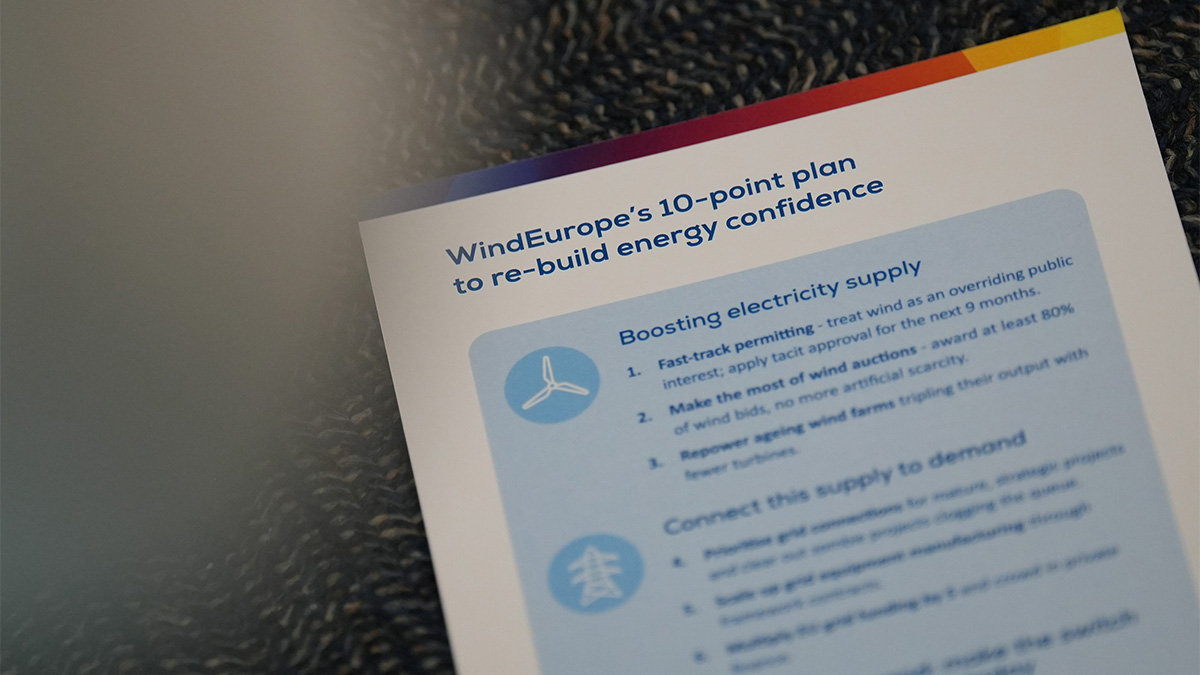
WindEurope is pressing for faster grids and electrification action. Its Madrid package ties investment, permitting, and manufacturing directly to power system competitiveness.
-
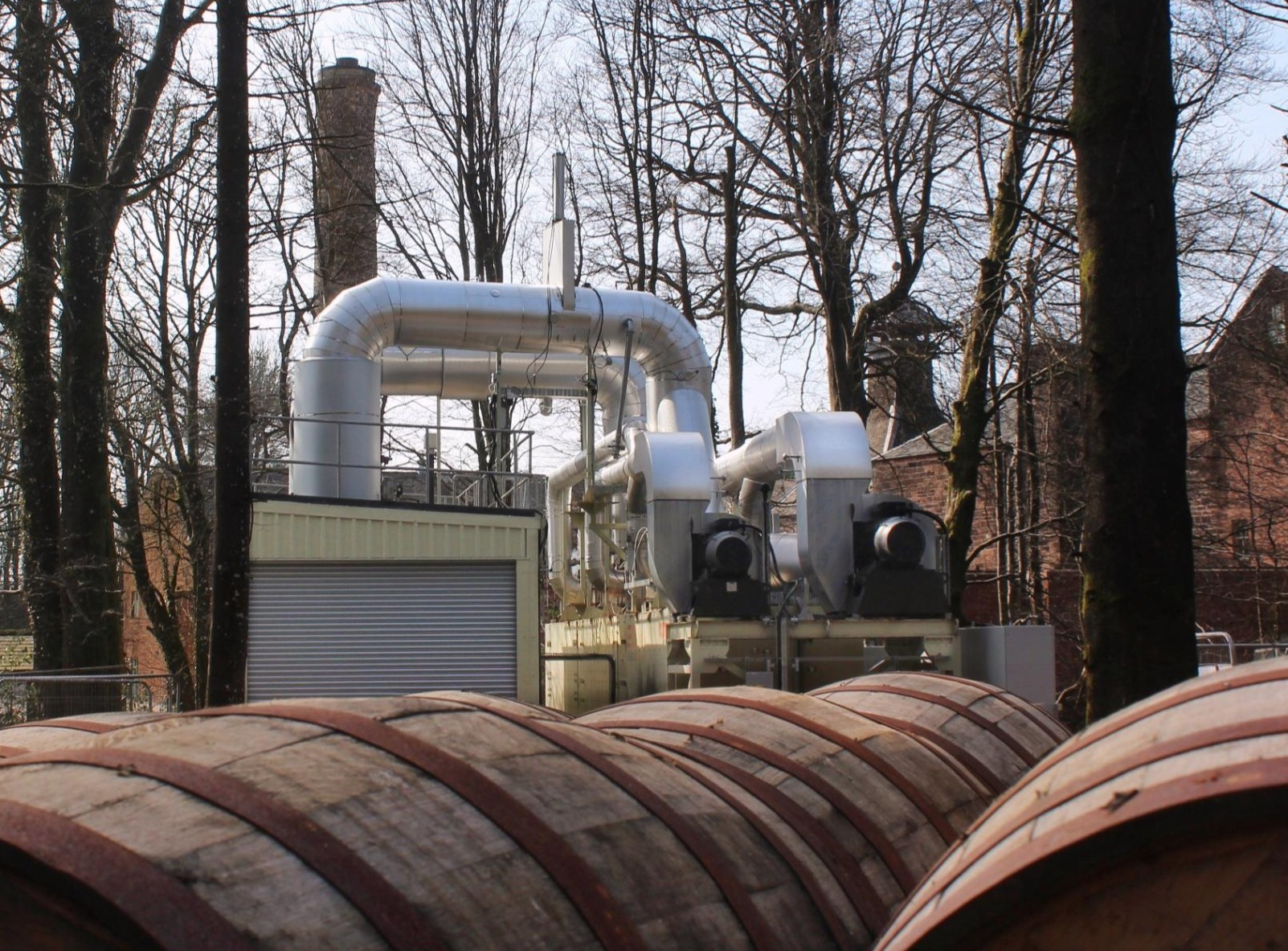
Exergy3 has secured seed funding for industrial heat expansion plans. The raise backs commercial deployment of thermal storage for high-temperature industrial decarbonisation.