IN Brief:
- WindEurope used its Madrid event to call for accelerated electrification, grid reform, faster project connections, and more grid equipment investment.
- The group said wind supplied 20% of Europe’s electricity in 2025 and attracted €45 billion of investment in new capacity.
- Grid access, manufacturing depth, and delivery pace are now central to Europe’s energy and industrial policy.
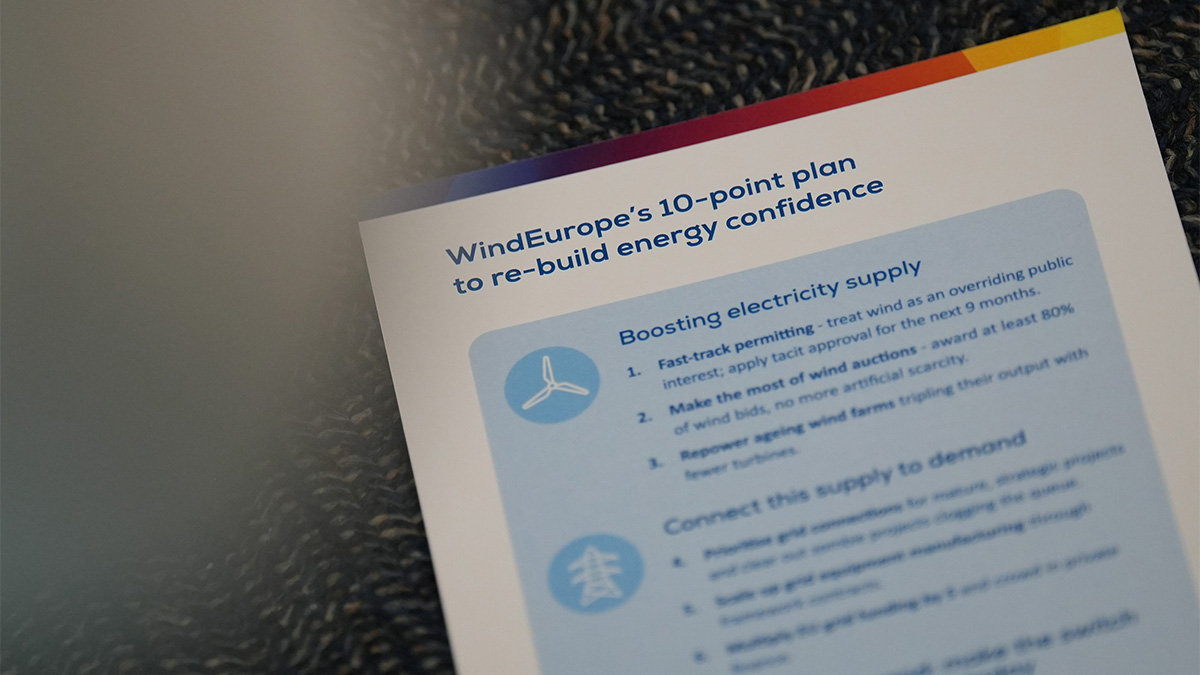
WindEurope has used its annual event in Madrid to call for faster grid delivery, cleaner connection queues, stronger equipment manufacturing, and quicker electrification across the European economy. The organisation’s Madrid Call to Action places network build-out and system integration at the centre of Europe’s next energy phase, arguing that generation growth on its own will not deliver the competitiveness, resilience, or lower-cost electricity now expected from the transition.
WindEurope said wind supplied 20% of Europe’s electricity in 2025 and that the sector attracted €45 billion of investment in new capacity during the year. Those figures underline the scale already reached by the industry. The organisation’s position in Madrid was that Europe now needs the rest of the system to catch up: grid expansion, faster connections, stronger supply chains for key network components, and quicker uptake of electricity in transport, heating, and industry.
The Call to Action includes proposals to prioritise mature and strategic projects in connection queues, remove inactive projects blocking capacity, expand grid funding, and support framework contracts for grid equipment manufacturing. The emphasis on those measures reflects where many of the main delays now sit. Project pipelines are not short of ambition, but they continue to run into bottlenecks around network readiness, component availability, and connection processes that struggle to distinguish between speculative and deliverable schemes.
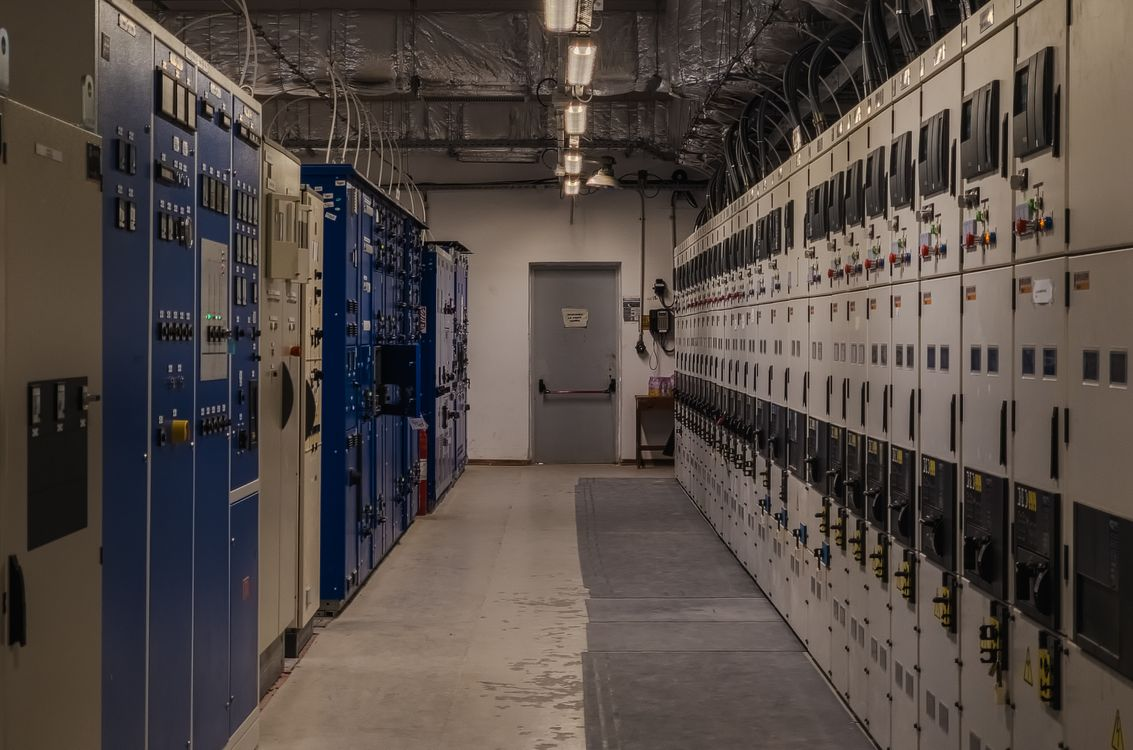
The grid equipment point is particularly significant. Across Europe, the build-out of cables, substations, transformers, and associated equipment has become an industrial issue as much as a utility issue. If reinforcement schedules slip because the supply chain for critical components is too thin or too fragmented, renewable deployment slows even where planning and financing are otherwise in place. WindEurope is therefore linking network delivery directly to industrial policy and regional manufacturing resilience.
Electrification is the other half of that argument. Additional renewable generation has less value if electricity demand in transport, heating, and industrial processes does not grow fast enough to absorb it. Europe has made progress in adding renewable capacity, but the uptake of electricity across end uses remains uneven. WindEurope’s line is that the answer lies in speeding both sides of the equation: more clean generation and more practical routes for industry, buildings, and transport systems to consume it.
Queue reform has become one of the clearest signs of a maturing power market. Inactive projects occupying capacity rights can delay schemes with stronger financing, clearer routes to construction, and more immediate network value. Several markets are now trying to tighten qualification criteria and clean up long waiting lists. WindEurope’s intervention aligns with that wider movement and places the issue firmly in the mainstream of European energy policy.
The message from Madrid is therefore not limited to the wind sector. Network operators, equipment manufacturers, connection specialists, and industrial electricity users all sit within the same delivery chain. Europe has already demonstrated that it can finance and build substantial volumes of renewable generation. The next test is whether it can reinforce the grid, deepen the supply chain, and raise electricity consumption in step with that growth. WindEurope has published the full Madrid Call to Action on its website.