
Distribution
—
-
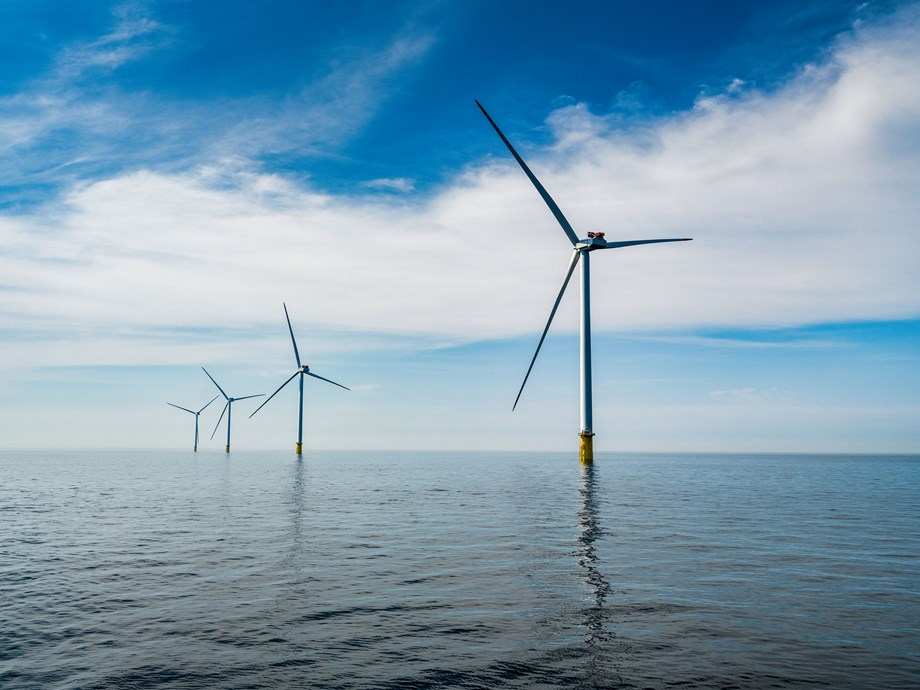
Baltic Power has begun delivering offshore electricity into Poland’s grid. More than 50 turbines are installed, while commissioning continues across the project’s 1.2GW generation, transmission, and control systems.
-
Q2 advanced Britain’s connections, storage, standards, and transmission programmes further. Renewable growth continued, while fuel-price volatility and inverter controls kept system resilience central to energy engineering.
-
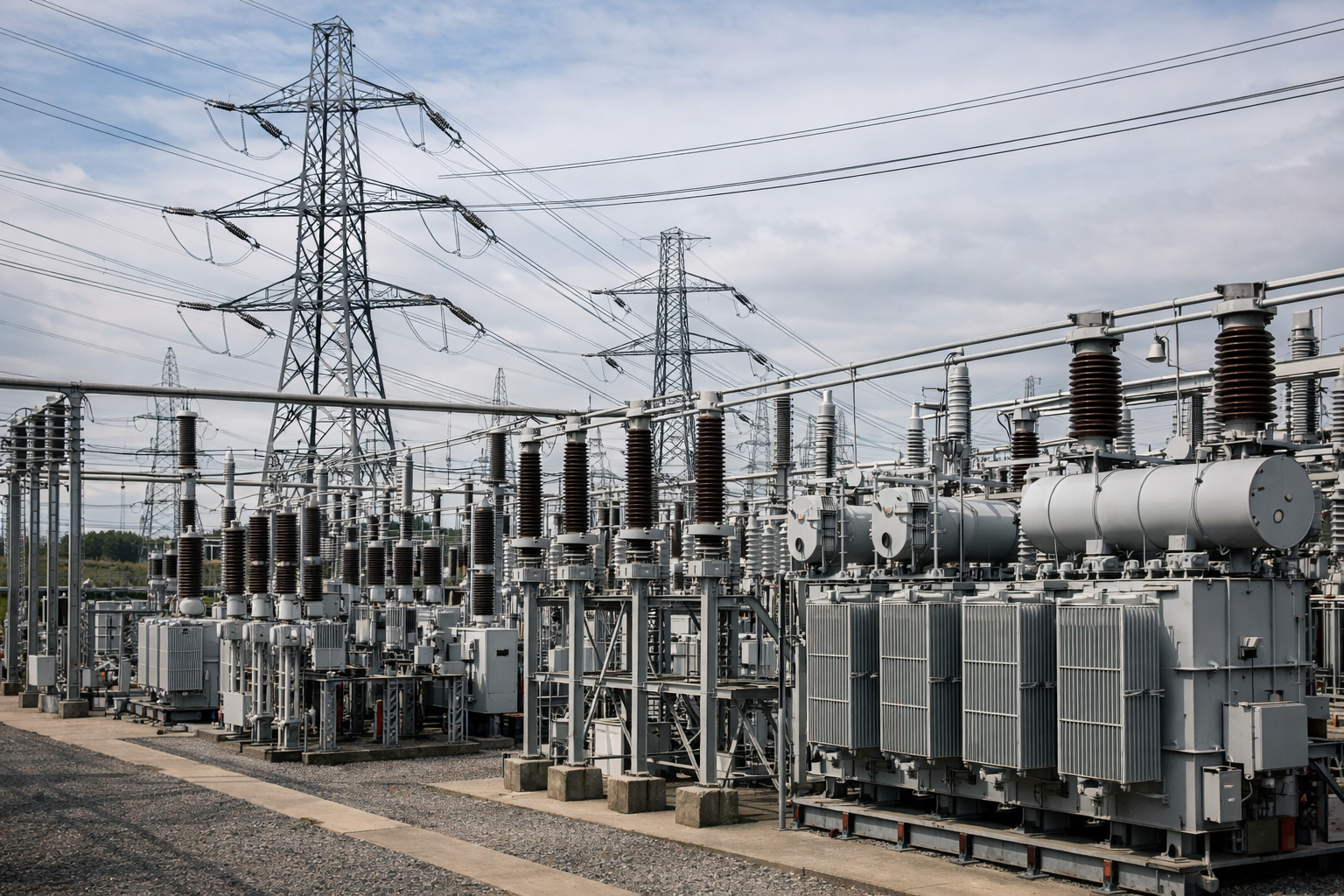
Ofgem is testing how early distribution charges should be confirmed. The consultation covers notice-period options for network charges during the transition to the ED3 price control.
-
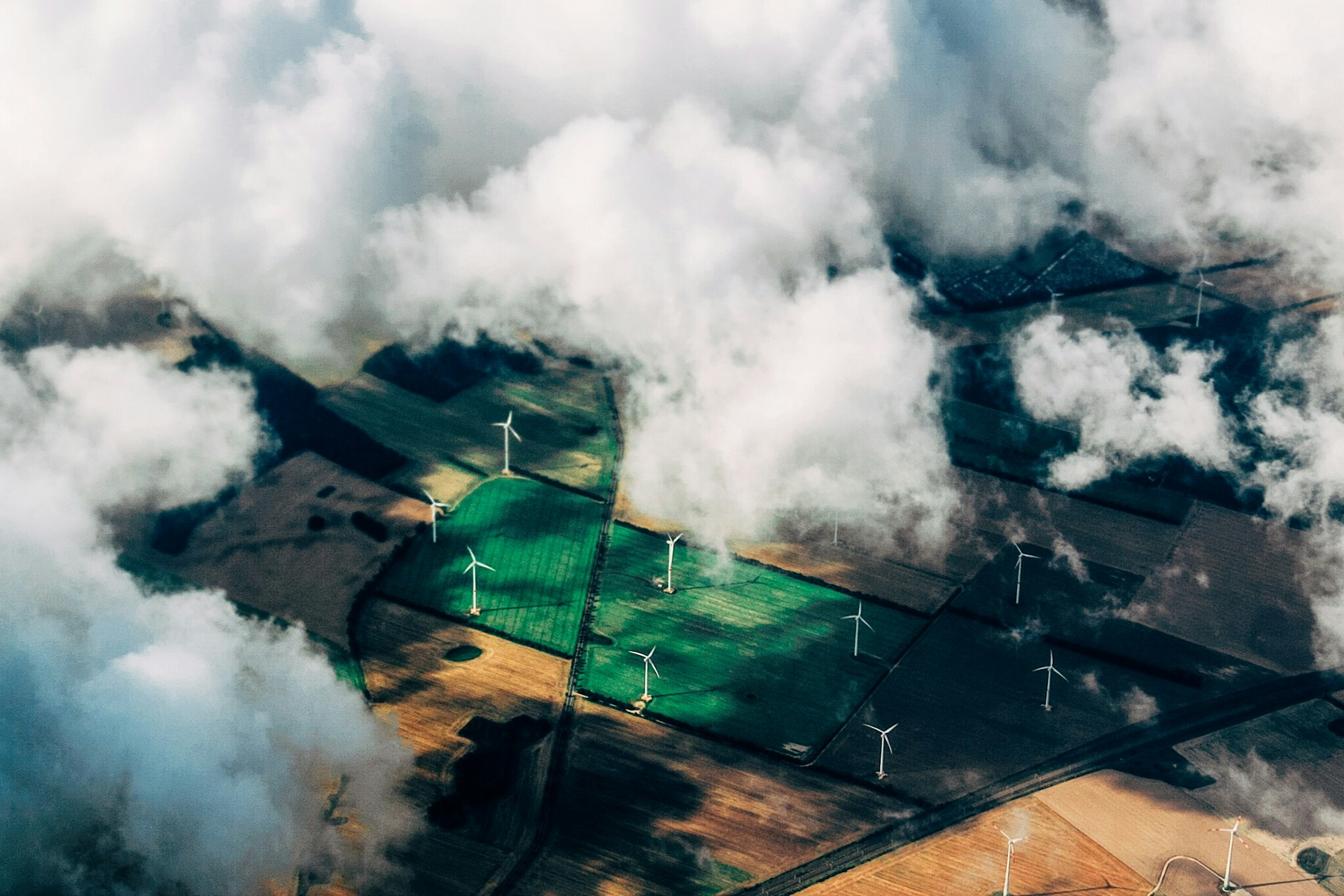
Europe’s renewable buildout is running into grid integration constraints again. ECNO’s 2026 assessment says variable renewables reached 30% of EU electricity generation in 2025, below the pace needed for 2030.
-
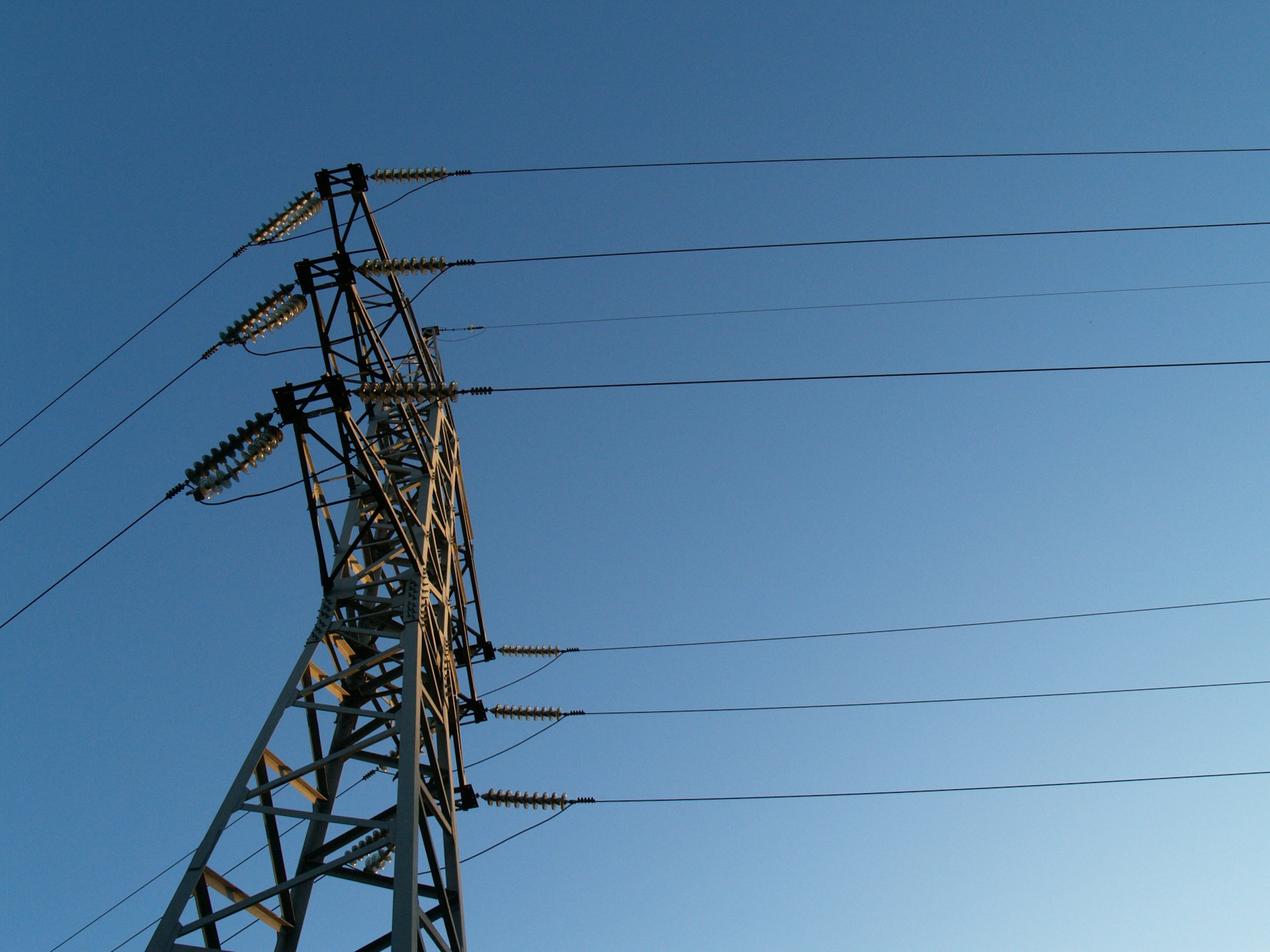
National Grid’s fund consultation links transmission delivery with community benefit. The proposed Norwich to Tilbury fund could provide more than £30m across Norfolk, Suffolk, and Essex.
-

National Grid is formalising external scrutiny of distribution innovation priorities. The planned board will bring independent expertise into how network ideas are tested and scaled.
-
Slovenia has joined Europe’s automated balancing platform for frequency restoration. ELES is now participating in PICASSO, the cross-border platform for automatic frequency restoration reserves.
-
Baltic transmission planning is moving closer to formal EU prioritisation. The proposed Baltic-German PowerLink would combine interconnection, offshore wind integration, and regional electricity trading.
-

Europe’s interconnection agenda is moving from planning into hardware delivery. Elmed’s 600MW HVDC link will connect Italy and Tunisia, adding a new route between Europe and North Africa.
-
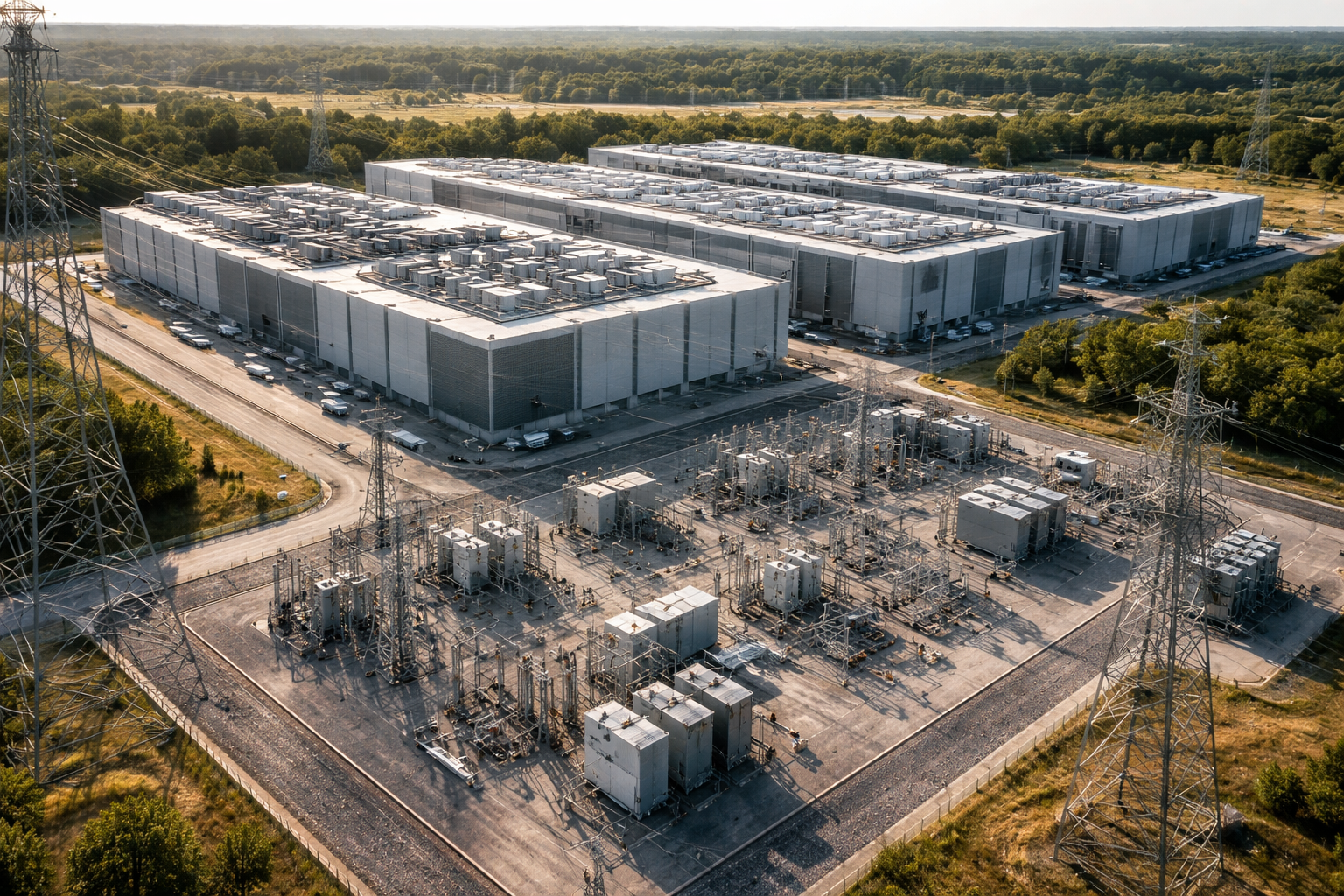
MSSL has linked heatwave resilience to LV switchboard design practice. Rising plant room temperatures are increasing focus on verified assemblies, temperature rise testing, and short-circuit withstand.