
Distribution
—
-
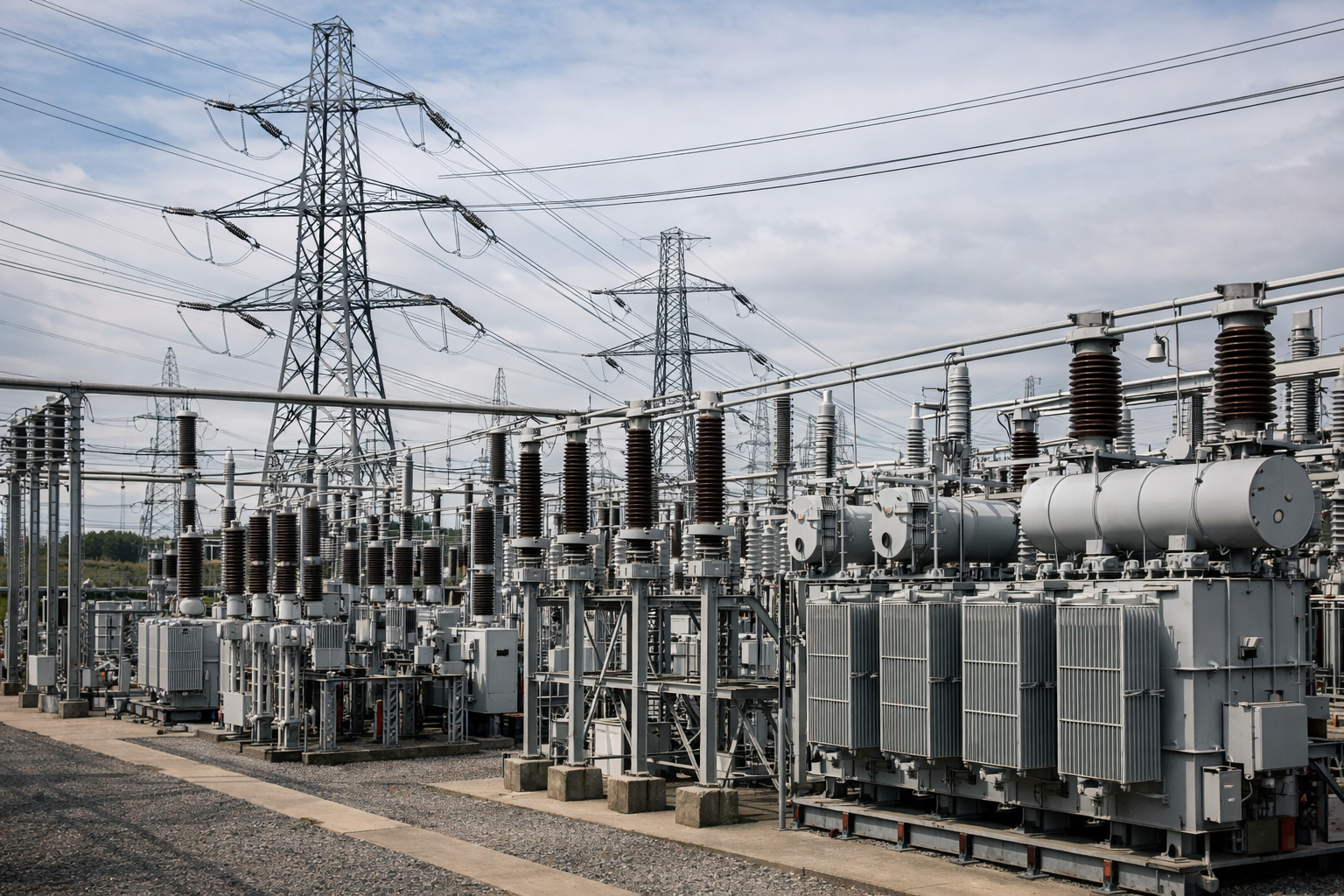
Belgium has reset rules for its delayed offshore wind tender. The revised 700MW procurement adds a two-sided Contract for Difference, five-year construction period, cybersecurity tests, supply-chain conditions, and a firm date for initial offshore grid availability.
-
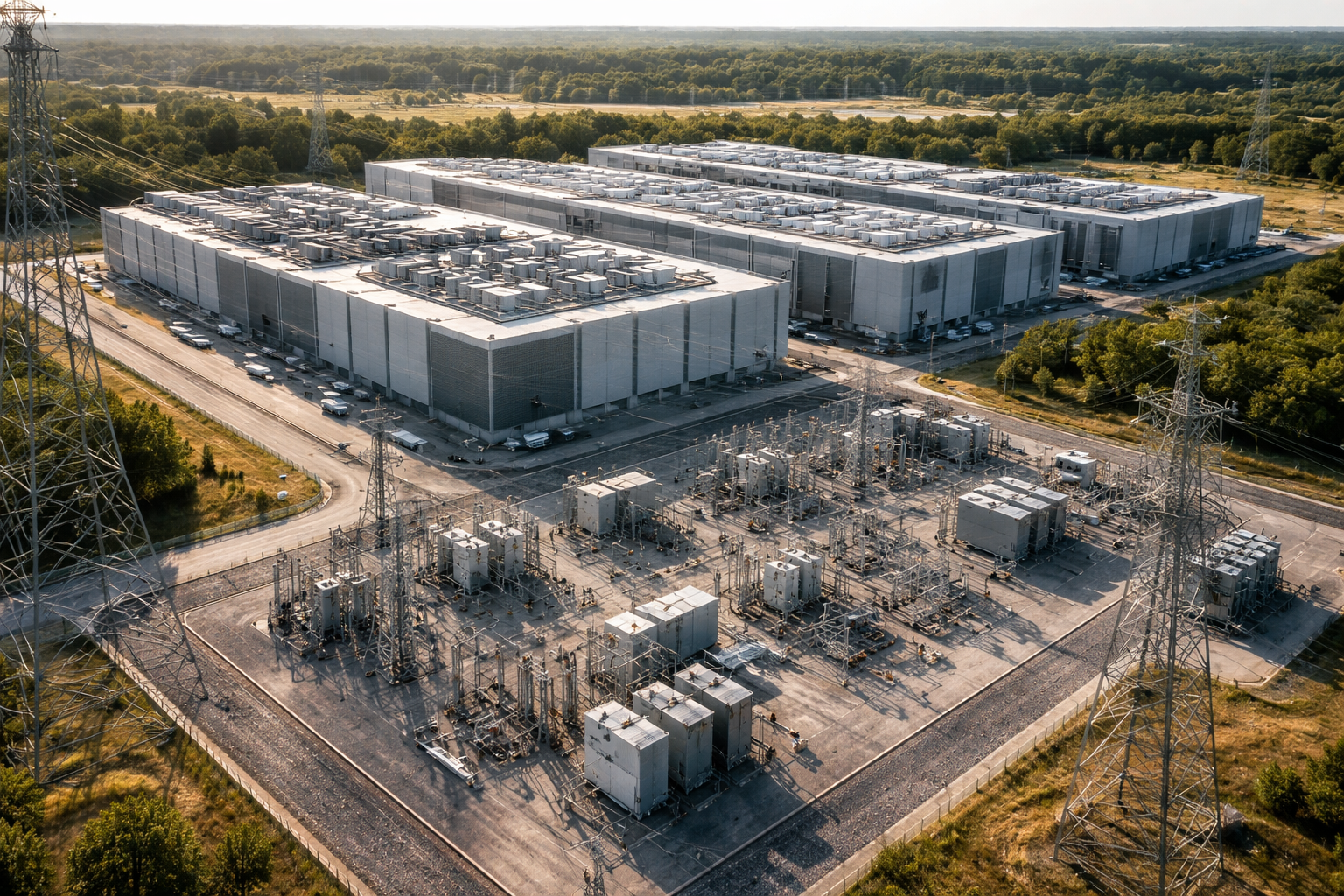
Croatia has approved grid infrastructure for a major AI campus. Pantheon AI combines a 1GW connection, 500MW of solar, 8GWh of battery storage, and more than €500 million of transmission works.
-
NESO is increasing day-ahead restrictions across four electricity interconnector links. The change covers routes to Norway, Denmark, Belgium, and France where forecast flows could create unresolved British system-security constraints.
-
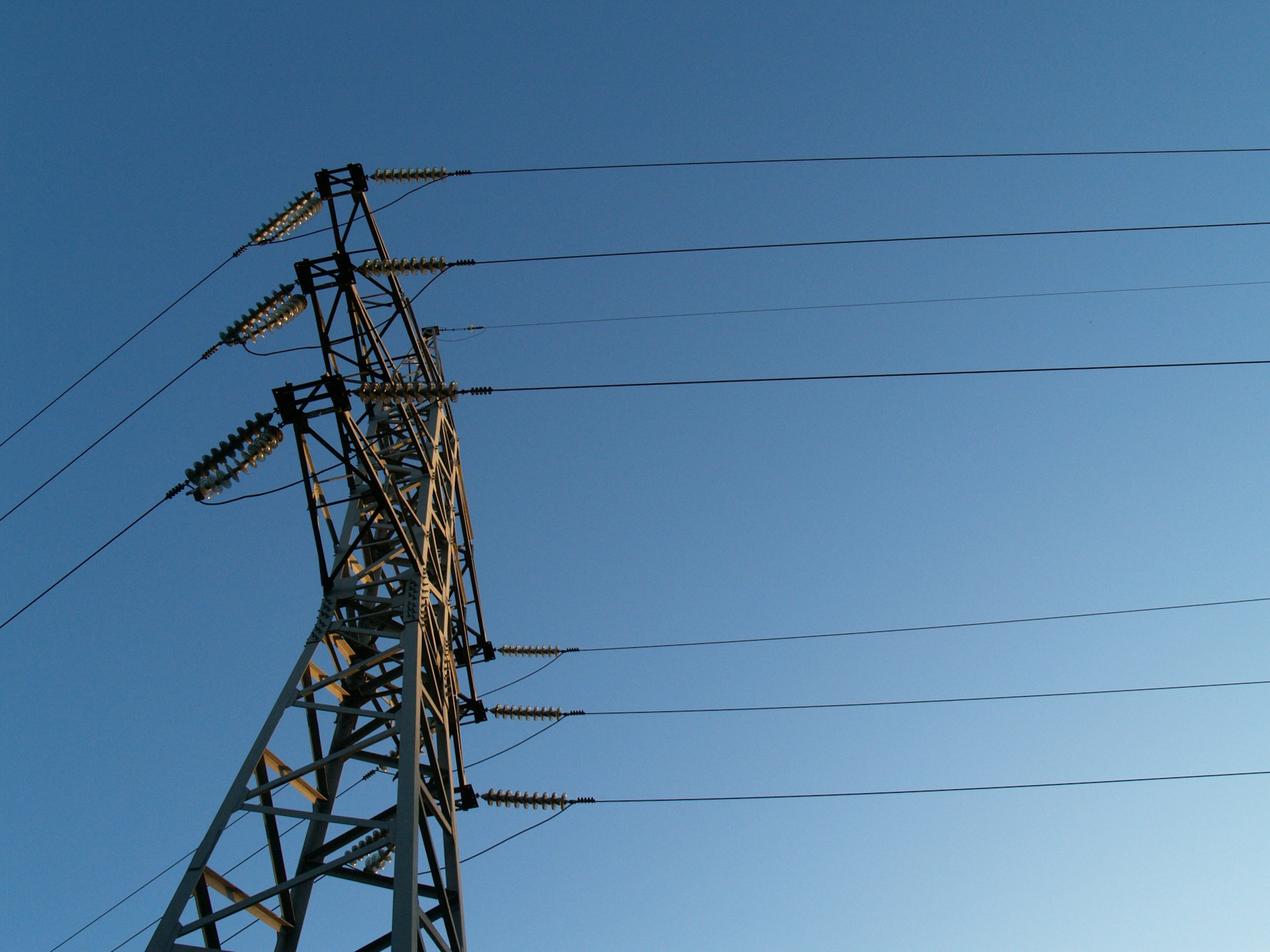
SP Energy Networks has advanced another major Scottish transmission reinforcement. Denny–Wishaw combines 400kV uprating, new overhead line, substation extensions, transformers, and cable work to release around 1GW of renewable capacity.
-
European transmission operators want stronger investment conditions for electrification delivery. ENTSO-E is seeking regulation that recognises resilience, cybersecurity, flexibility, and system stability alongside cost efficiency.
-
SSEN will upgrade shared electricity supplies across four pilot areas. The programme targets legacy connections that can restrict EV chargers, heat pumps, solar, and battery installations.
-
Iberdrola will acquire control of Finland’s largest electricity distribution operator. The €5bn transaction brings Caruna’s 89,000km network into a portfolio increasingly concentrated on regulated grid infrastructure.
-
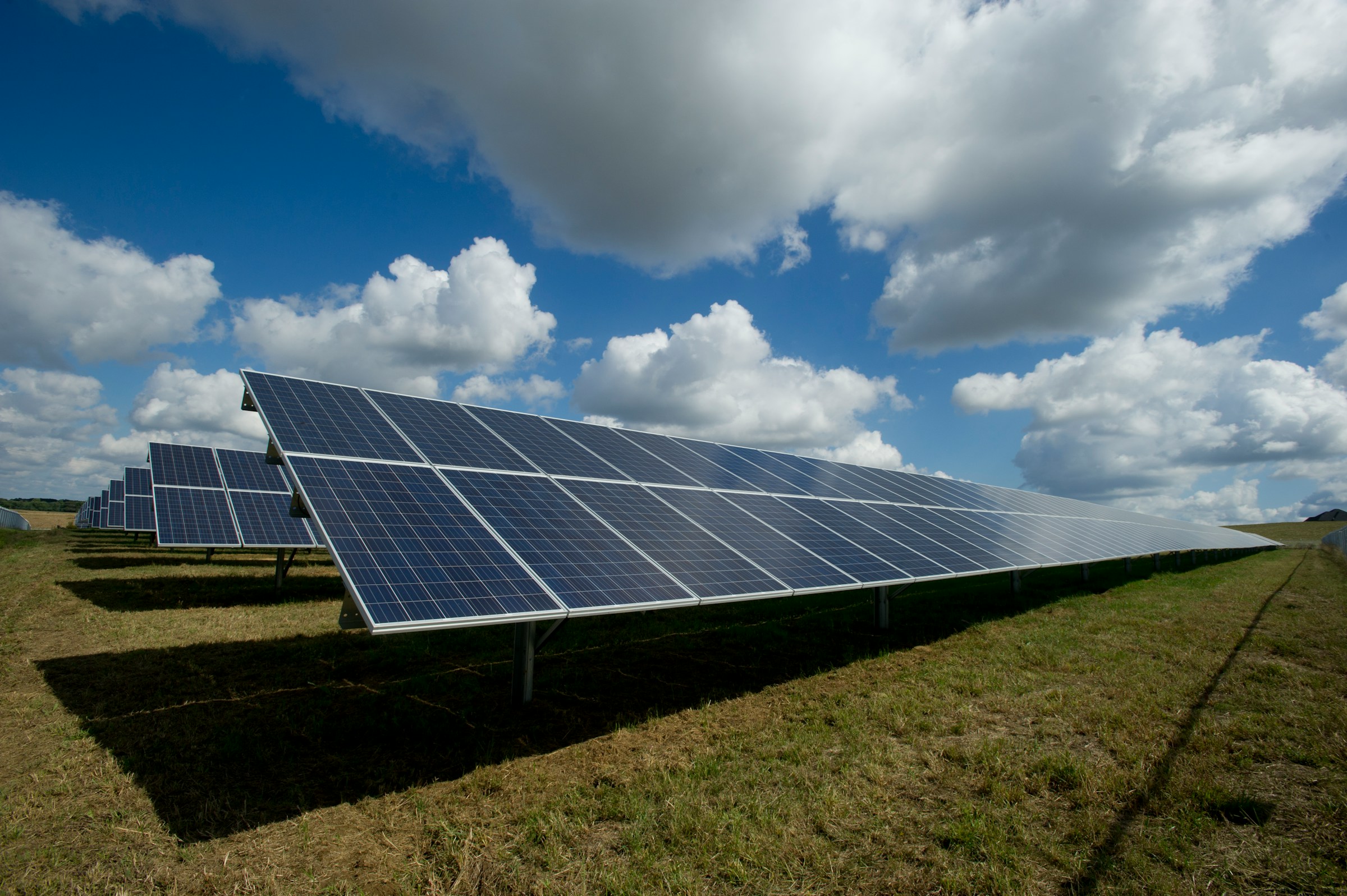
Elgin has secured long-term offtake for three British solar projects. The 15-year agreements cover developments in Wales, Leicestershire, and Staffordshire that are already moving through construction and grid-connection delivery.
-
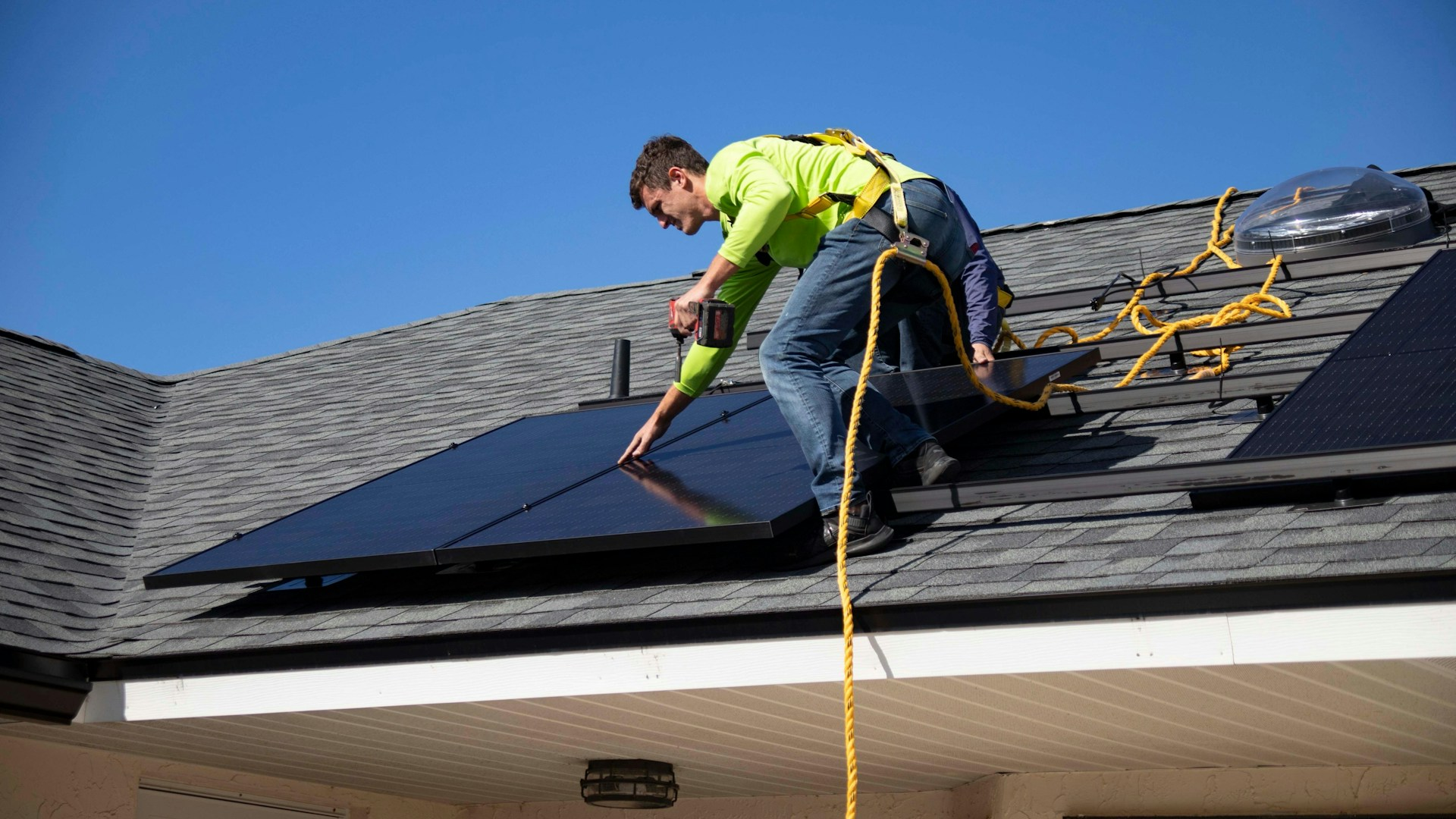
Larkhill’s solar network now supplies power across connected military infrastructure. The new 1.7GWh annual installation can export surplus generation to neighbouring camps through an existing private-wire system.
-
Data-centre batteries could materially reduce pressure on constrained electricity networks. Analysis of 96 British facilities indicates that onsite storage could lower their peak grid imports by between 10% and 15%.