IN Brief:
- Dogger Bank South and North Falls have secured UK development consent, advancing major offshore wind capacity in the North Sea.
- Dogger Bank South includes two wind farms, export cables, converter stations, underground cabling, and National Grid connection works.
- The approvals add further demand to the UK’s offshore transmission, substation, cable, and grid connection delivery pipeline.
RWE, Masdar, SSE Renewables, and their project partners have moved two major North Sea offshore wind schemes through UK planning, after development consent was granted for Dogger Bank South and North Falls.
The decisions cover Dogger Bank South Offshore Wind Farms and the North Falls Offshore Wind Farm, two projects that add further weight to the UK’s offshore generation and transmission programme. Dogger Bank South comprises Dogger Bank South West and Dogger Bank South East, with associated offshore and onshore infrastructure including high-voltage electricity cables, onshore and offshore substations, National Grid connections, and temporary works required during construction.
Project planning material for Dogger Bank South sets out a design incorporating up to 100 turbines at each of DBS West and DBS East. Power would be exported to shore near Skipsea through subsea cables, routed underground to up to two new converter stations southwest of Beverley, and then connected by further underground cabling to the proposed National Grid substation near Creyke Beck, known as Birkhill Wood.
North Falls has also secured development consent for an offshore electricity generating station approximately 24.5km from its nearest point at the Port of Lowestoft. The scheme includes offshore wind turbines and associated onshore and offshore infrastructure, including connection to the electricity transmission network.
Further project details are available through the Dogger Bank South project website.
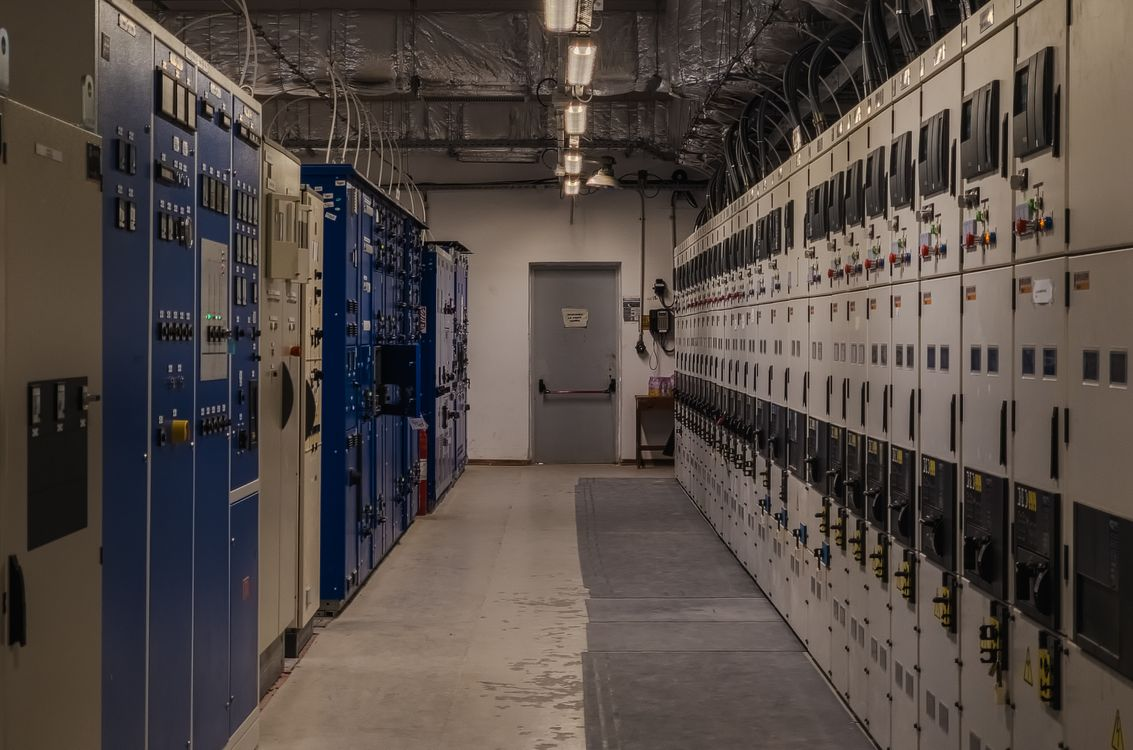
With both decisions in place, attention now moves from planning approval to the electrical infrastructure needed to turn consented capacity into operational generation. Offshore wind delivery depends on far more than turbine installation. Subsea export cables, landfall works, converter stations, reactive compensation, grid connection substations, protection systems, and commissioning programmes all sit on the critical path.
That grid-facing workload is already visible in Scotland, where separate Caledonia and Buchan onshore consents have advanced ScotWind grid works. The pattern is becoming familiar across UK offshore wind: generation projects are moving only as fast as their onshore cable corridors, substation packages, grid connections, and enabling works allow.
Dogger Bank South’s route illustrates the scale of that challenge. Long underground transmission corridors, converter stations, and new National Grid connection infrastructure bring consenting, civil engineering, land access, and high-voltage installation into one programme. Cable procurement, outage planning, system studies, and substation equipment availability will all influence delivery.
North Falls adds to the same pressure on the East Coast grid interface. Offshore wind projects clustered around the North Sea can support clean generation targets, but they also concentrate demand for high-voltage engineering capacity, specialist contractors, grid studies, marine installation windows, and long-lead electrical equipment.
The UK transmission system is already being reshaped around that demand. National Grid has set out a £70bn network investment plan, while other offshore transmission projects continue to move through regulatory and planning processes. The delayed Morgan and Morecambe transmission decision shows how grid connection design, consenting, and delivery sequencing remain tightly linked.
Dogger Bank South and North Falls now join the next wave of offshore wind schemes moving from consent into delivery planning. Their progress will depend on how effectively generation, transmission, and supply-chain schedules can be aligned across multiple high-voltage work packages.