IN Brief:
- The UK government has extended the decision deadline for the Morgan and Morecambe offshore wind transmission assets to 14 September 2026.
- The application covers offshore transmission infrastructure and onshore connection to the electricity transmission network in north-west England.
- The delay reflects the complexity of consenting offshore wind grid connections, cable corridors, substations, and local mitigation.
Morgan and Morecambe Offshore Wind Farms will wait until 14 September 2026 for a development consent decision on their shared transmission assets, after the UK government extended the statutory deadline to allow time for further information.
The application was made by Morgan Offshore Wind Limited and Morecambe Offshore Windfarm Limited under the Planning Act 2008. It covers transmission assets in the East Irish Sea off the coast of north-west England, including the onshore connection to the electricity transmission network.
The previous statutory decision deadline was 14 May 2026. The Secretary of State has exercised powers under section 107 of the Planning Act to set a new deadline, with the extension made without prejudice to the final decision on whether development consent should be granted or refused.
The Morgan and Morecambe transmission assets are being progressed separately from the generation assets. Morecambe Offshore Windfarm’s generation assets were granted development consent on 1 December 2025, while the examination period for the joint transmission assets closed on 29 October 2025. The Examining Authority submitted its recommendation report to the Secretary of State on 29 January 2026.
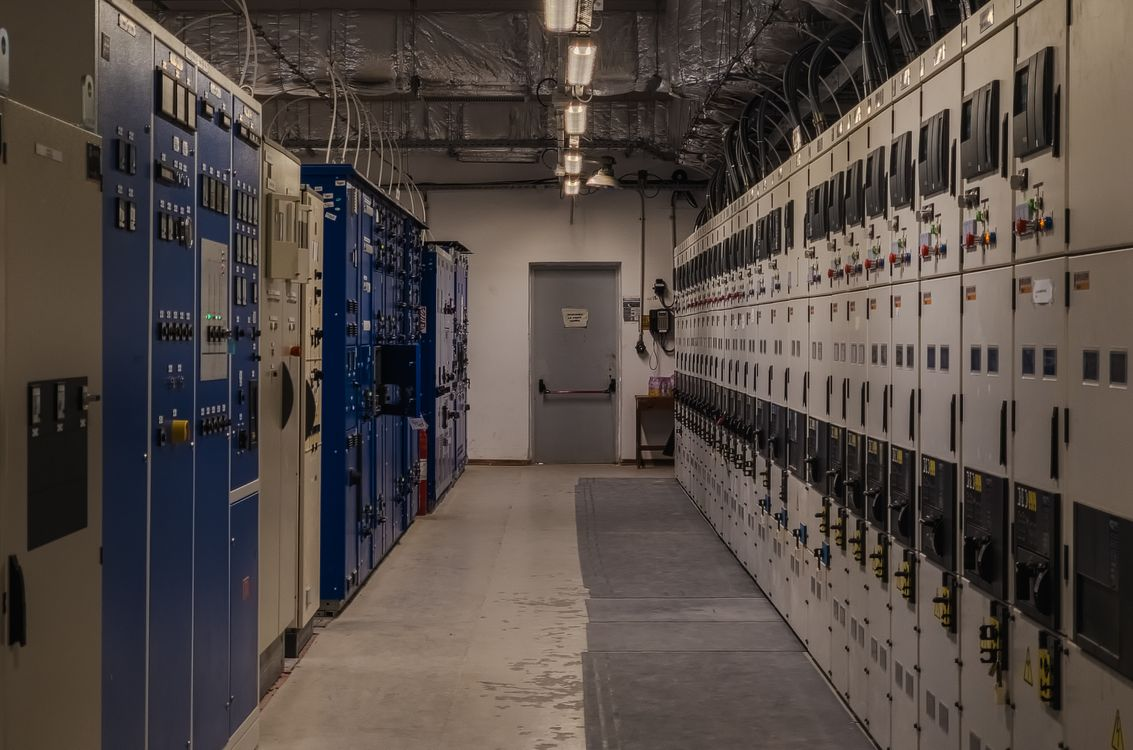
Designed to connect offshore wind generation from the Irish Sea into the wider electricity system, the transmission application includes the infrastructure needed to move electricity from offshore assets to onshore grid connection points. That package includes cable routes and associated electrical works, with the final consent decision remaining a critical milestone for the projects.
Across UK offshore wind, transmission delivery is becoming as decisive as turbine procurement, foundation design, vessel availability, and marine construction. Export cables, substations, landfall works, cable corridors, planning agreements, and onshore connections now sit on the same programme path as offshore installation. Where those grid interfaces move slowly, generation projects can lose schedule certainty even when the offshore resource and commercial case remain intact.
Cable routes must pass through local authority areas, agricultural land, ecological constraints, transport corridors, coastal communities, and existing infrastructure. Onshore substations and converter equipment add visual, noise, land-use, drainage, and traffic considerations, while the technical design has to meet transmission standards for protection, reactive power, control, resilience, and system operation.
The same delivery pressure is visible across the wider grid. Early funding for Scottish transmission projects is being used to secure long-lead components and progress enabling works, while dynamic line rating on National Grid’s transmission network is aimed at releasing additional capacity from existing overhead circuits.
Physical build and operational optimisation are both being pulled forward because grid delivery is difficult to compress. Transmission routes require planning, consultation, environmental assessment, land access, equipment procurement, construction, testing, and commissioning, while renewable generation pipelines continue to move through auctions, leasing rounds, and project finance schedules.
The Morgan and Morecambe decision also sits within the wider move toward more coordinated offshore transmission. Individual radial connections can be simpler to develop project by project, but cumulative onshore impacts increase as more offshore wind farms seek separate landfalls and grid connections. Shared corridors, coordinated assets, and anticipatory network planning can reduce duplication, although they introduce more complex commercial, regulatory, and delivery dependencies.
The revised September deadline gives the government additional time to assess the application before reaching a decision. For the projects, the transmission assets remain central to delivery: offshore generation can only contribute at scale once the electrical infrastructure is consented, procured, constructed, tested, and connected into the transmission system.
The project’s DCO information is available through the Morgan and Morecambe transmission assets process page.