IN Brief:
- SONATREL launched two international tenders covering 225kV transmission infrastructure on 17 August.
- The procurement covers high-voltage lines and substations extending towards Cameroon’s border with Chad.
- The contracts move another section of the PIRECT regional interconnection from project development into procurement.
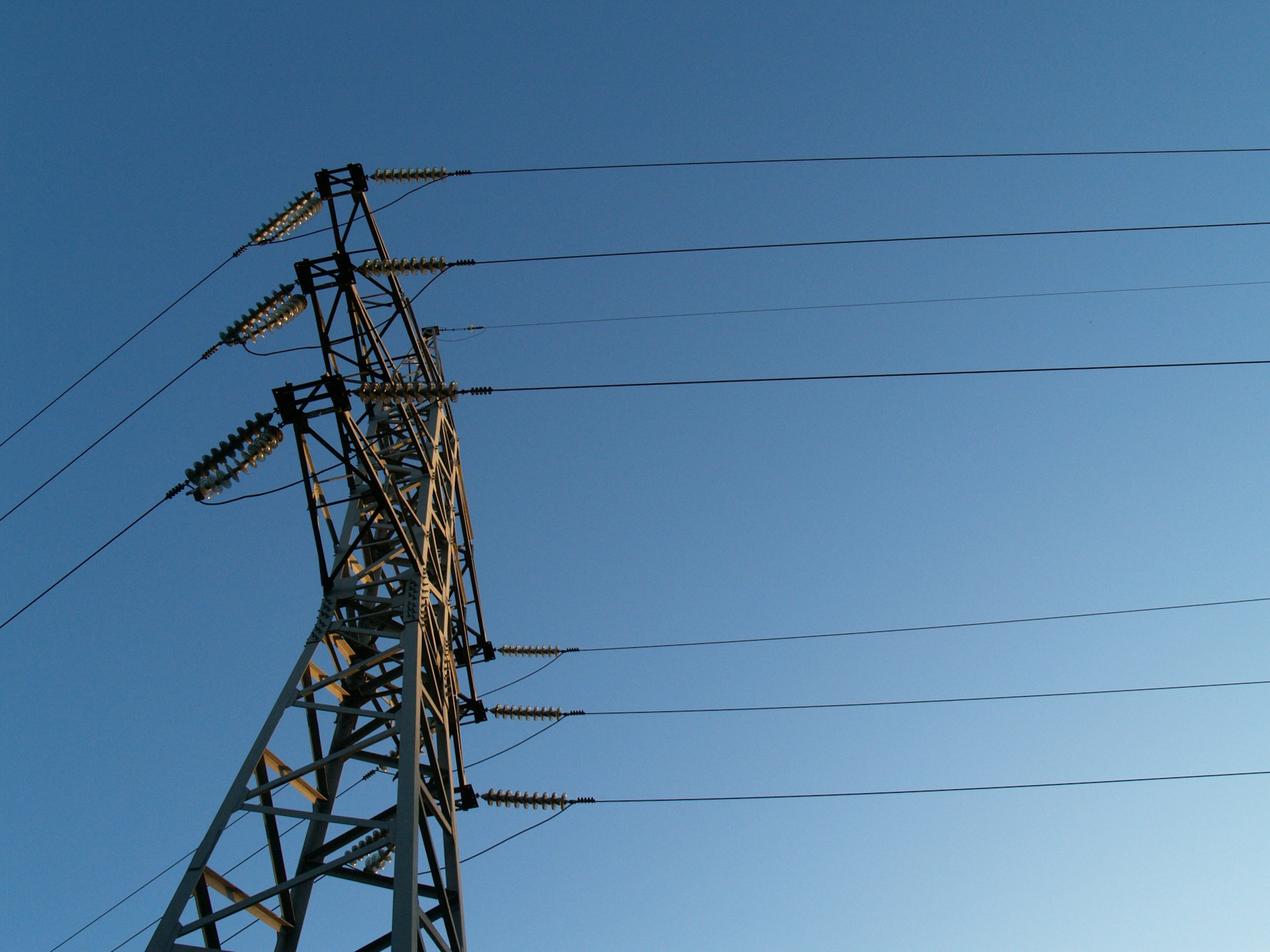
SONATREL has opened two international tenders for 225kV transmission infrastructure on the Cameroon-Chad electricity interconnection, moving another section of the PIRECT programme into procurement. The notices were launched on 17 August and cover high-voltage lines and substations between Wouro-Soua in Cameroon’s Adamaoua region and the border with Chad in the Far North. The contracts sit within the cross-border section of a project intended to connect the two national power systems.
The immediate development is contractual rather than conceptual. PIRECT has been in preparation for years, with multilateral financing, network studies, environmental work, and earlier procurement already defining the interconnection corridor. The latest tender round matters because it converts another portion of that planned network into packages that contractors can price, design, supply, install, test, and commission.
Available tender reporting divides the line work into two lots covering 419.6km of 225kV transmission infrastructure, while a separate package addresses associated substations. The wider component extends beyond the current lots, so the August procurement is not the whole interconnector in one award. That staged structure is typical of large regional transmission programmes, but it also creates interfaces that must be managed carefully between line sections, substations, protection schemes, communications, and later commissioning activities.
The engineering challenge is more complicated than building a long overhead line between two countries. A 225kV interconnection has to operate as part of two existing networks, with power flows, fault levels, voltage behaviour, protection settings, metering, and operating procedures aligned at the boundary. Equipment can be installed to specification and still fail to deliver the intended transfer capability if control systems, substation interfaces, or network studies are not coordinated across the complete route.
PIRECT was conceived partly to strengthen transmission within Cameroon before electricity crosses the border. African Development Bank project documents describe a 225kV link extending through northern Cameroon towards Chad, while World Bank material places SONATREL at the centre of implementation on the Cameroonian side. That internal reinforcement is important because cross-border trade depends on the ability to move power reliably from generation and southern network areas towards the northern system before it reaches the international connection.
Substations are equally central to that chain. They provide the switching, transformation, protection, measurement, and control functions needed to connect a long transmission corridor to the existing network, isolate faults, and manage outages. On a regional interconnector, their design also determines how much flexibility operators have when sections are unavailable for maintenance or when system conditions require power transfers to be constrained.
The project’s age adds another layer of delivery risk. Long development periods can leave equipment specifications, demand forecasts, network assumptions, and procurement packages exposed to changes before construction is complete. Contractors therefore have to work against the approved design basis while ensuring that interfaces remain compatible with the networks that will actually exist when the line is energised, not simply the systems described at the start of project preparation.
Cross-border schemes also require commercial and operational arrangements that sit outside the physical assets. Metering has to support settlement between the two systems, system operators need agreed procedures for scheduling and curtailment, and protection and control teams need a common understanding of how faults and disturbances will be managed. None of those functions replaces the line or substations, but they determine whether the completed hardware can operate as an interconnector rather than as two national projects meeting at a border.
The latest tenders therefore represent a useful delivery milestone without pretending that construction is finished or electricity trade is imminent. Procurement still has to move through bids, evaluation, contract award, detailed design, manufacturing, site work, testing, and energisation. On a corridor of this scale, those stages will overlap across several packages, increasing the importance of programme-level coordination by SONATREL and its project partners.
Cameroon’s grid investment is increasingly tied to the ability to move power over longer distances and use new generation more effectively, while Chad stands to gain access to a larger neighbouring system. The commercial case for the interconnection will ultimately depend on dependable transfer capability rather than the nominal voltage printed on the equipment schedule. A 225kV line only becomes useful regional infrastructure when substations, controls, operating rules, and market arrangements work together reliably.
SONATREL’s August procurement brings that outcome one step closer by putting further cross-border line and substation work into the market. The harder phase follows: turning multiple contracts, financing sources, and technical interfaces into one commissioned transmission corridor. Regional interconnectors tend to look simple on maps. Electrically and contractually, they are anything but.