IN Brief:
- Aurora Utilities has secured an additional £100m equity commitment from I Squared Capital and institutional co-investors.
- Total equity commitments since 2024 now stand at £250m, including the earlier £150m investment.
- The Ofgem-regulated IDNO intends to expand grid connection delivery and recruit across engineering, operations and land rights.
Aurora Utilities has secured a further £100m equity commitment from I Squared Capital and institutional investors to expand its electricity network connection business in Great Britain. Allianz Global Investors, Swedish pension fund Kåpan and M&G Investments are participating alongside I Squared. The latest commitment follows £150m agreed in 2024, taking the group’s cumulative equity commitments to £250m, rather than representing a new £250m injection in November.
Licensed and regulated by Ofgem as an independent distribution network operator, or IDNO, Aurora acquires and operates electricity distribution assets serving residential, commercial and industrial developments. A typical adopted network can comprise distribution cables, substations, transformers, switchgear, metering interfaces and protection systems. The company does not act as the retail electricity supplier for those premises or generate the power that flows through its assets. Its long-term obligation is to maintain the adopted network within the required operating and safety standards.
Aurora intends to use the additional capital to expand its connection delivery capability and recruit in engineering, operations and land rights. It has not attached the new £100m to an announced list of substations, a megawatt capacity figure or a committed project-by-project construction timetable. Funding an operator therefore increases its ability to take on infrastructure, but is not equivalent to energising physical network capacity on the date the investment is agreed.
Demand for these connections extends from conventional developments to industrial loads, data centres, electric vehicle depots, solar farms and battery projects. Their electrical requirements differ: a data centre may need high and relatively continuous import capacity, whereas a storage asset may import for charging and export during discharge. Available fault levels, voltage, protection coordination and the capacity of the upstream distribution system all influence the design. Two projects of comparable nominal size can consequently have very different network reinforcement and delivery requirements.
The independent operator model also shapes the economics of connection delivery. Developers and independent connection providers may construct a site’s electrical assets before those networks are adopted by the IDNO for long-term ownership. Aurora describes an asset-value payment model through which it can contribute to eligible connection costs in exchange for future regulated network income. The new equity commitment is consistent with expanding that asset base, although its specific allocation between acquisitions, engineering capability and other expenditure has not been disclosed.
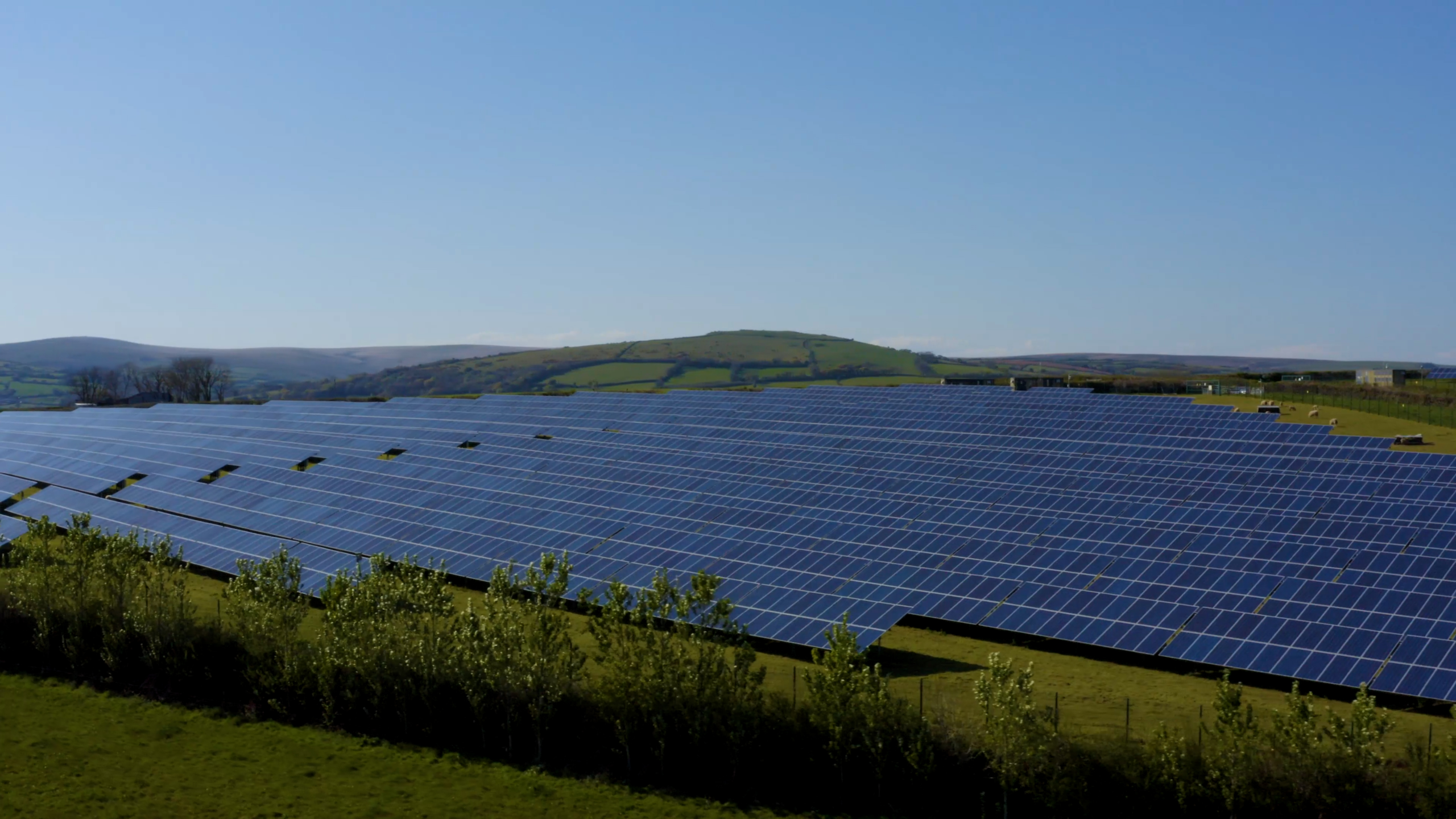
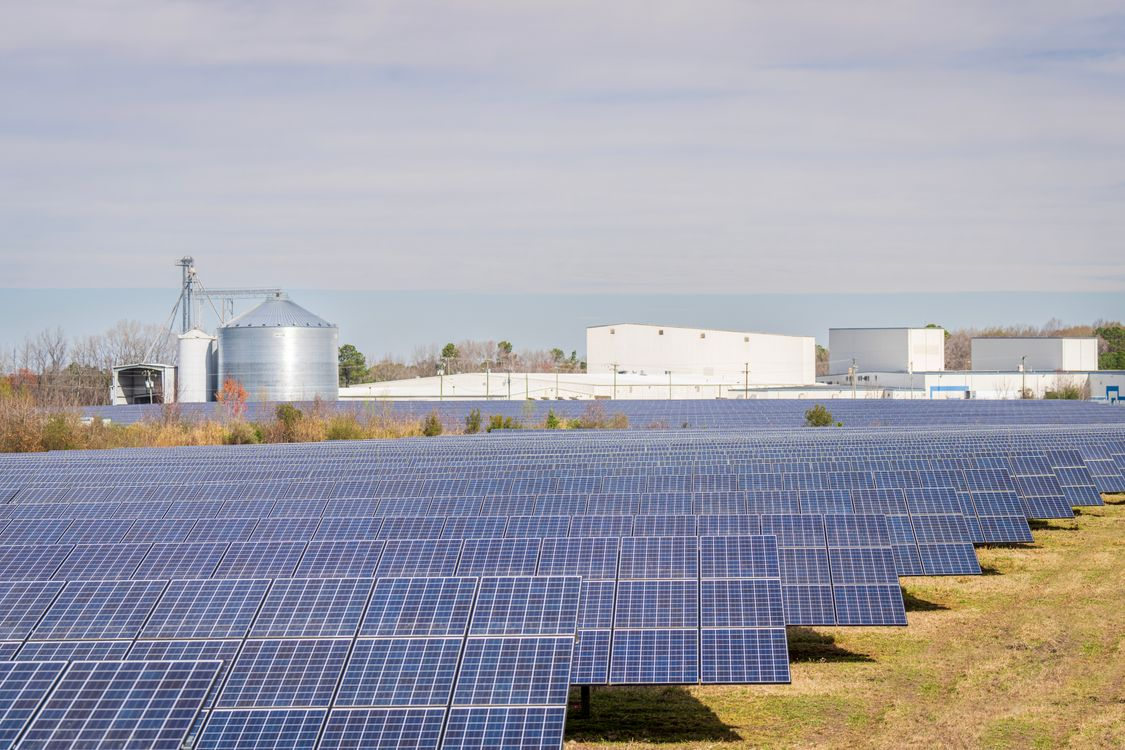
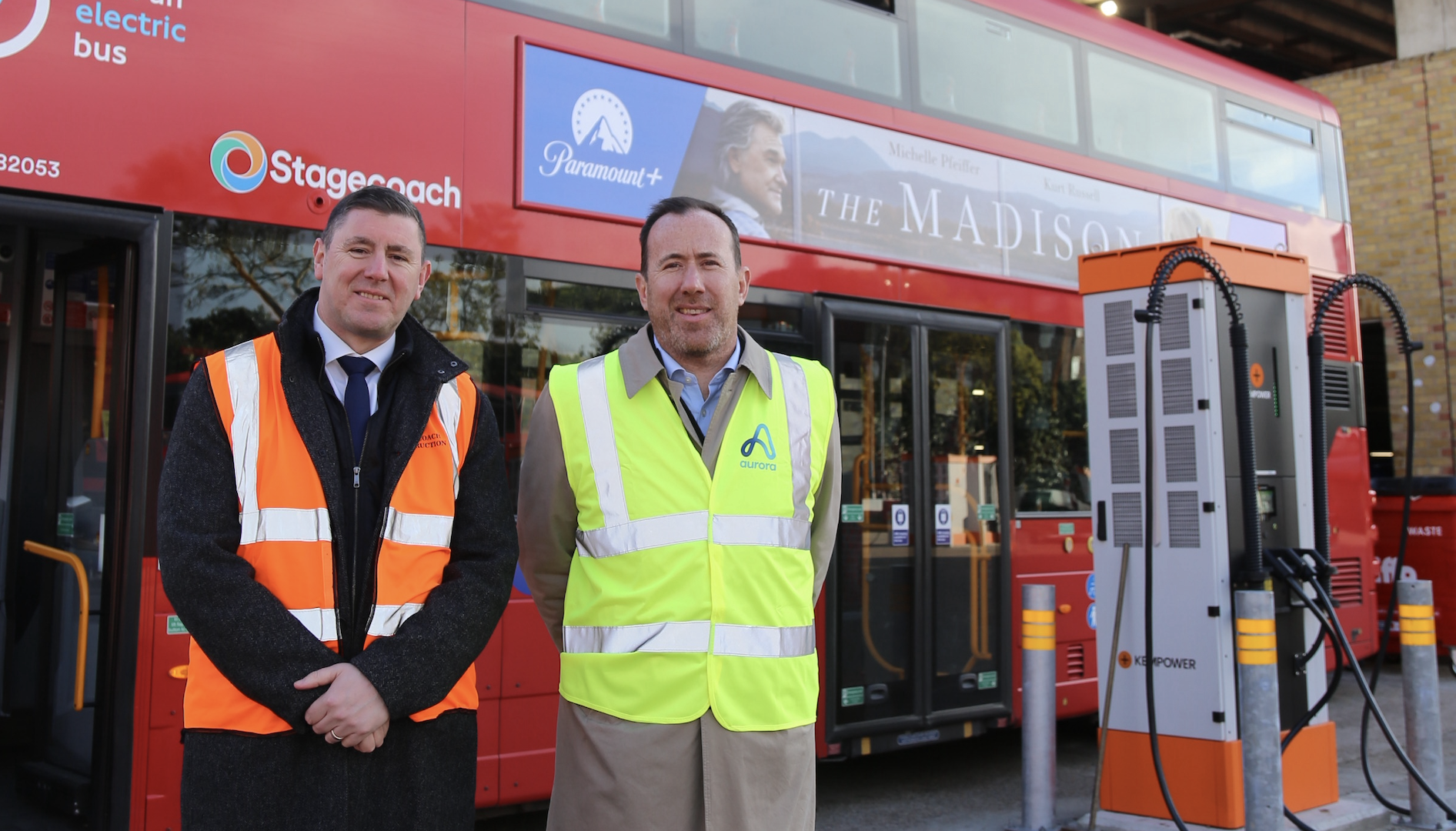
Aurora says its network portfolio covers data centres, charging hubs, public transport, renewable generation and battery storage. Its reported connections support charging for one in four electric buses in London. The operator also cites connections associated with more than 2.36TWh of solar generation and battery storage activity, describing the scale of projects already served through its network portfolio. These are company-reported measures of the existing business, not forecasts of additional electricity or energy capacity attributable to the November financing.
Simon Reilly, chief executive officer of Aurora Utilities, said: “Demand for resilient electricity infrastructure continues to accelerate as the UK transitions towards a more electrified economy.” He associated the investment with expansion of the company’s in-house delivery team. The recruitment priorities include people responsible for design and engineering, management of operating networks and the land rights that allow new distribution infrastructure to reach the sites it serves.
Land agreements, easements and access rights can affect delivery as directly as transformer or cable lead times. A new feeder may require permissions along its route before trenching and installation begin, while the point of connection to the host network must satisfy technical requirements. Once operational, the IDNO needs accurate asset records, safe switching arrangements and maintenance access. Aurora’s intention to expand both its land rights and engineering teams reflects the need to manage those dependencies together, rather than treating a grid connection as equipment procurement alone.
The initial I Squared commitment in 2024 helped establish Aurora’s platform in the UK IDNO market. The subsequent participation of additional institutional investors increases its capacity to acquire and operate networks over time, with the returns linked to the assets and services ultimately delivered. Local network constraints, connection queues and planning requirements remain relevant to each individual scheme. The funding announcement does not claim those restrictions have been removed or that all prospective developments now have firm energisation dates.
Design assurance, surveys, protection studies, commissioning, asset information and operational staffing account for part of the work between a developer’s connection request and a live supply. Aurora already operates a network operations centre and has established programmes covering transport electrification and renewable connections, providing a base for further activity. Its next measurable milestones will be contracts signed, networks adopted, capacity connected and the associated maintenance responsibilities assumed. No timetable was supplied for spending the additional £100m, so the investment is a commitment to future delivery rather than a quantified programme of newly completed electrical works.