IN Brief:
- Allume Energy has launched SolShare 2 for shared solar installations in flats.
- The updated system increases energy-sharing capacity from 20kW to 30kW while supporting up to 15 connections.
- Battery integration extends the model from shared solar generation into apartment-scale solar-plus-storage.
Allume Energy has launched SolShare 2, the latest version of its shared solar technology for apartment blocks and multi-occupancy residential buildings.
The upgraded device will be available to UK installers from August 2026. It increases energy-sharing capacity from 20kW to 30kW while continuing to support up to 15 connections, allowing a single rooftop solar PV system to supply multiple flats directly.
SolShare is designed as a behind-the-meter power division control system. It takes electricity from one rooftop PV array and distributes it to individual flats connected to their own meters, removing the need for a separate inverter in each property.
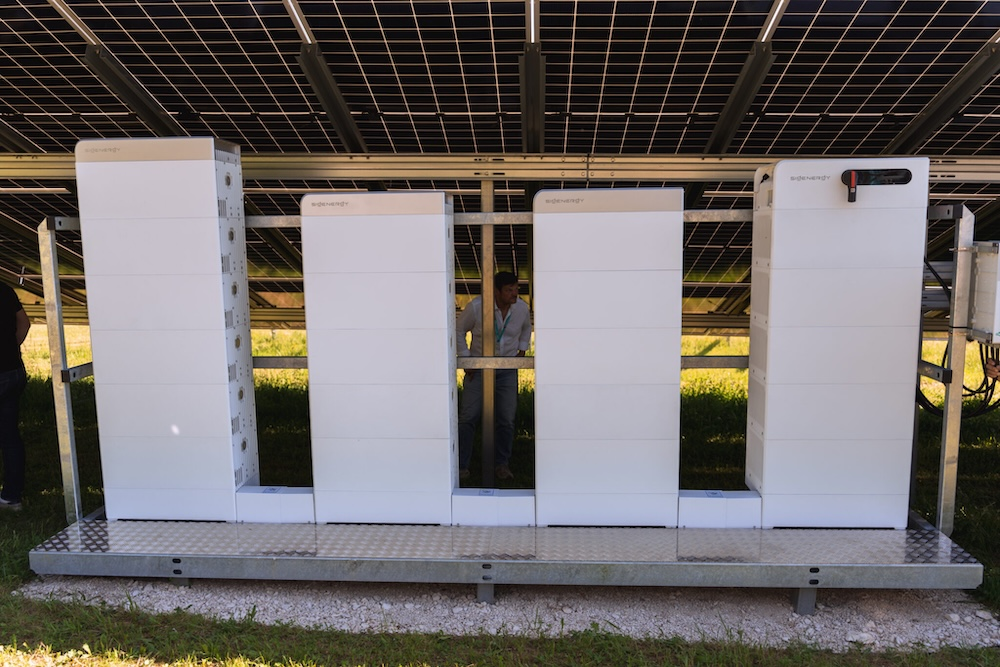
The second-generation system adds stronger battery integration. Communal batteries can be installed in plant rooms or external locations rather than inside individual flats, addressing practical and regulatory barriers around apartment-level battery installations. The updated platform connects to battery storage via ethernet and is designed to work with a range of solar PV and battery systems.
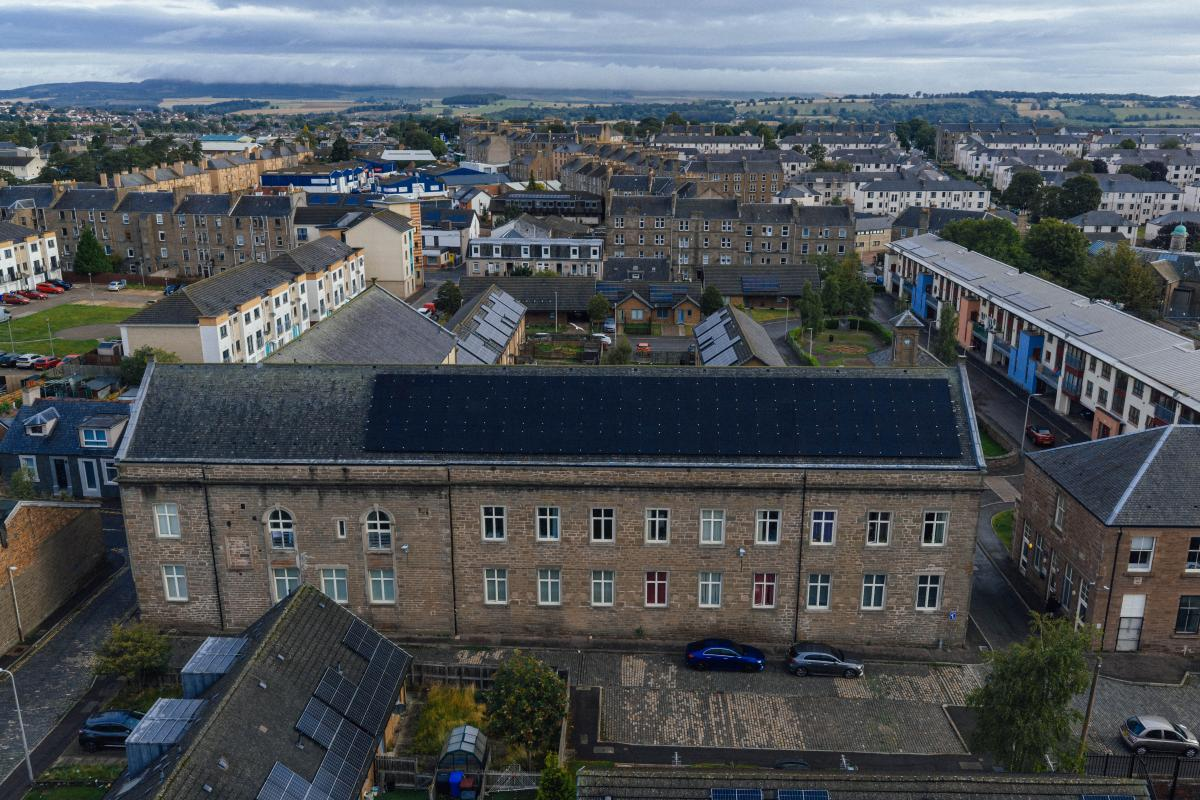
The technology is being aimed at both retrofit and new-build schemes. In retrofit applications, the system can help social landlords and building owners use limited roof space more effectively across multiple households. In new-build projects, it can support direct solar allocation to individual dwellings, which is becoming more important for building performance calculations and EPC outcomes.
Allume has stated that more than 10,000 homes worldwide have used SolShare technology, with UK deployments dating back to 2021. A recent installation serving 24 flats at Odet Court in Cardiff reduced grid energy consumption by between 60% and 70%, while improving SAP performance for the building.
UK housing policy, building performance requirements, and electricity costs have increased attention on solar for flats. Rooftop PV has been easier to deploy on houses and bungalows because the generation can be connected directly to a single household meter. Flats have been harder to serve because one roof may sit above many meters, tenants, leaseholders, and billing arrangements.
That electrical and commercial complexity has created a solar gap between houses and apartments. Shared solar systems address part of that gap by making rooftop generation usable across multiple dwellings without turning the building into a conventional landlord-supply arrangement.
Battery integration changes the technical proposition. Without storage, solar generation must be consumed when produced or exported. With a communal battery, surplus daytime output can be stored and used later, increasing self-consumption and potentially reducing evening imports. The battery also adds design considerations around siting, fire safety, ventilation, access, metering, export control, and future maintenance.
The rise of shared solar also increases demand for more detailed electrical and solar design work. Fusion 360’s expansion of its electrical and solar design team reflects the same underlying pressure: solar installations are becoming more integrated, more compliance-heavy, and more dependent on early-stage engineering input.
Installers will need to handle distribution-board configuration, isolation, labelling, metering interfaces, communications, battery controls, resident allocation, and export arrangements. M&E consultants will also need to account for SAP, EPC, fire strategy, landlord electrical infrastructure, and maintenance access across the life of the building.
The opportunity is significant because multi-occupancy buildings represent a large underused solar surface. The constraint has been less about module availability and more about how electricity is fairly, safely, and legally distributed within the building.
Allume is hosting a webinar with Midsummer Energy on 2 July to introduce installers to SolShare 2 and certification requirements. Registration details are available through Allume Energy.